
When Early Progress Starts to Change
Many people experience noticeable progress in the early stages of weight loss, followed by a gradual slowing over time. This shift can feel discouraging, especially when effort remains consistent.
However, this change is not a sign of failure. It reflects the body adapting to a new state.
Understanding Metabolic Adaptation
As body weight decreases, the body naturally requires less energy to function. At the same time, adaptive mechanisms increase efficiency to preserve energy.
This includes:
- A reduction in resting energy expenditure
- Increased hunger signals
- Greater efficiency in using calories
These changes are part of a normal biological response designed to protect the body.
Why Slower Progress Is Still Progress
Even when changes on the scale become less visible, important internal improvements continue. Metabolic health, inflammation levels, and hormonal balance often improve beneath the surface.
Fat loss can still be occurring at a slower rate, even if it is less noticeable week to week.
Recognising this helps maintain consistency and prevents unnecessary changes that could disrupt progress.
A Medical Interpretation of Changing Pace
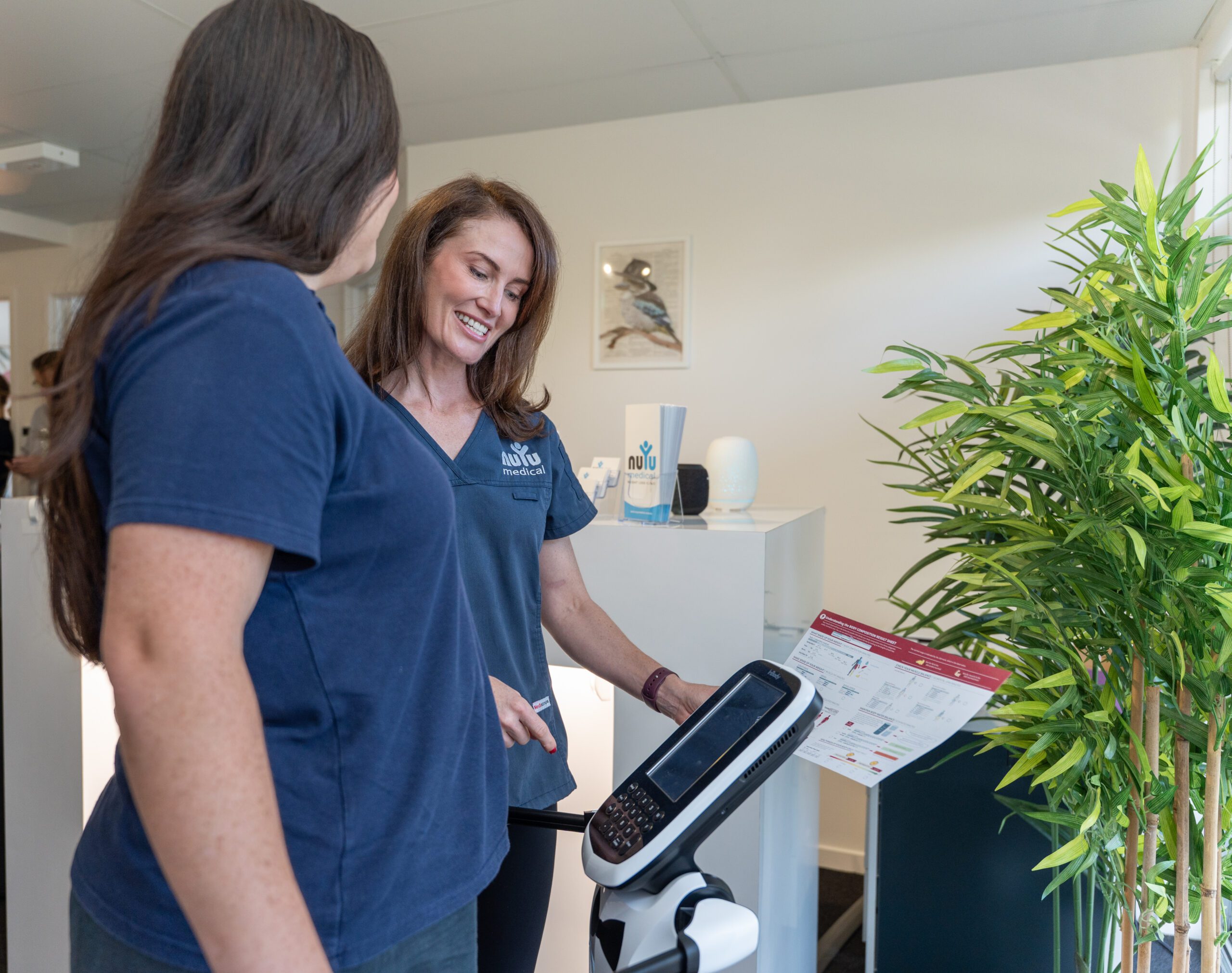
At NuYu Medical, shifts in progress are expected and planned for. Care is adjusted to support continued results without increasing restriction or creating additional stress.
This approach focuses on maintaining balance while making gradual, evidence-based adjustments when needed.
Medical oversight helps reframe expectations and keeps patients engaged throughout different phases of progress.
Supporting Continued Momentum
Sustainable progress relies on consistency rather than intensity. Supporting the body during adaptation allows results to continue over time.
Helpful strategies include:
- Maintaining consistent routines around food and movement
- Prioritising recovery, including sleep and stress management
- Making gradual adjustments rather than drastic changes
- Monitoring overall wellbeing, not just scale weight
- Staying patient with the natural pace of progress
These habits support long-term results without overwhelming the body.
Ongoing Care Support
NuYu Medical provides both in-clinic and telehealth care across Australia, ensuring ongoing guidance through every stage of the journey.
Transparent pricing allows patients to continue care with clarity and confidence.