
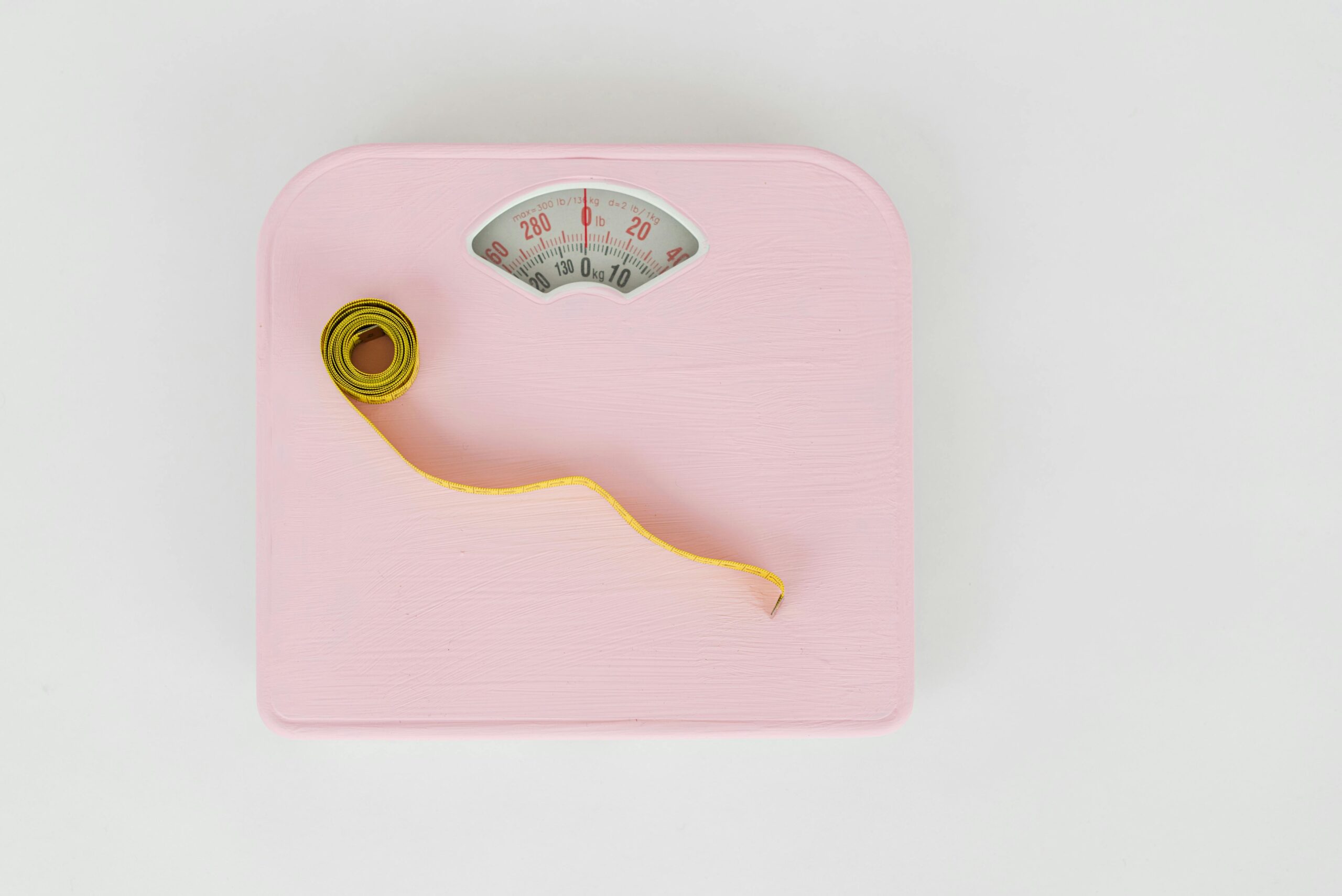
When the Number Refuses to Budge
Few experiences in weight management are as demoralising as a plateau. The plan is being followed, the effort is consistent, and yet week after week the scale delivers the same number. After months of steady progress, the sudden stillness feels like the body has stopped cooperating. The temptation to tighten restriction, add more exercise, or simply give up is powerful.
But here is the crucial fact that plateaus conceal: the scale measures total body weight — bone, water, muscle, fat, organs, and everything else — and it reports only the sum. A body can be changing substantially while that sum stays the same. Muscle gained can offset fat lost. Fluid shifts can mask fat loss for weeks. The scale is a useful tool, but it is a poor instrument for answering the question that actually matters: is the body getting healthier?
What Is Actually Happening During a Plateau
A plateau is not usually a sign that a programme has stopped working. It is a sign that the metrics being used to measure it have stopped capturing the changes. When a calorie deficit continues, the body loses fat — but that fat loss can be invisible on the scales for a period because of what is happening on the other side of the ledger.
Several mechanisms are in play. First, body composition can shift: as fat is lost, muscle — particularly if resistance training is part of the programme — can be gained or retained, and muscle is denser than fat. A kilogram of muscle occupies less volume than a kilogram of fat, so the body can slim down in measurable centimetres while the scale barely moves. Second, water weight is highly variable — influenced by sodium intake, carbohydrate consumption, hormonal cycles, stress, and sleep — and can easily mask a kilogram or more of fat loss. Third, as weight drops, energy expenditure falls slightly with the lighter body, creating a natural slowdown in the rate of loss.
This is why the most successful programmes track more than weight. Waist and hip measurements change when the scale does not. The way clothes fit changes. Body composition scans reveal fat mass falling while lean mass holds steady. Blood pressure, energy, blood sugar, and lipid markers improve. These are not consolation prizes — they are the actual signs of metabolic health improving, which was the point of the programme in the first place.
Why Giving Up at the Plateau Undoes Everything
The tragic pattern of the plateau is that it arrives at the precise moment when the body is adapting and consolidating — and it is the moment when most people abandon the plan. The motivation drain is understandable: the reward system is built around the scale, and the scale has gone silent. But stopping a programme during a plateau does not preserve progress; it begins the reversal. The fat loss that was happening, invisibly, ceases. The improved markers begin to slip back.
What is worse, the response to a plateau is often to tighten restriction further — cutting calories, adding more cardio — which can increase muscle loss, raise stress hormones, and slow metabolic rate, producing exactly the opposite of the intended effect. The plateau is not the time to do more of the same; it is the time to change the way progress is being observed, and to review the programme clinically.
A Clinical Approach to Plateau Review
At NuYu Medical, a plateau triggers a structured clinical review rather than a crisis. The first step is measurement: a body composition scan reveals whether fat is still being lost while the scale sits still, and whether muscle mass is being protected. Blood testing reviews metabolic markers — insulin, blood sugar, thyroid function, inflammatory markers — to identify any physiological factor that may have shifted. Sometimes the plateau is not metabolic at all; it is hormonal, sleep-related, or stress-driven, and the blood work shows it.
From this data, the clinical team adjusts the programme. This may mean recalibrating calorie targets to match the new, lighter body, changing the balance of movement — often adding resistance work and reducing excessive cardio — or addressing an underlying factor such as poor sleep or elevated stress that the scale plateau has been masking. The review converts a frustrating stall into useful clinical information, and it gives the patient a plan based on evidence rather than guesswork.
Practical Strategies for Navigating a Plateau
The first strategy is to change the measurement, not the plan. Record waist and hip circumference weekly, notice how clothes fit, and if body composition scanning is available, use it — it is the only reliable way to see whether fat loss is continuing beneath the stagnant number. Track non-weight markers: energy, sleep quality, strength, blood pressure. These provide the feedback that the scale has stopped offering.
The second strategy is to review the variables the scale cannot see. Sleep, stress, and hydration all affect both water weight and metabolic function, and addressing them can break a plateau that restriction could never touch. The third is patience with structure: if the programme has been consistent and markers are moving in the right direction, the plateau is a phase, not a verdict. If it persists beyond several weeks, a medical review — including blood testing and body composition analysis — is the evidence-based next step rather than a stricter diet.
Telehealth and Local Care Options
NuYu Medical offers in-person consultations at the Southport clinic, supporting patients across the Gold Coast and Surfers Paradise, as well as telehealth services for individuals throughout Australia. Consultation fees are provided upfront, ensuring transparency and accessibility at every stage of care.
To receive clinical support for breaking a weight loss plateau, book an appointment online at nuyumedical.com.au/book-appointment/