
The Frustration That Comes with PCOS
If you have been diagnosed with polycystic ovary syndrome, you have likely experienced a version of this scenario: you eat well, you exercise, you do everything that is supposed to work — and the scale barely moves. Meanwhile, the symptoms that accompany PCOS — irregular cycles, fatigue, stubborn abdominal weight, and often acne or hair changes — add a layer of frustration that goes far beyond appearance.
The sense that your body is not responding the way it should is not imagined. PCOS is not simply a reproductive condition; it is a metabolic and hormonal disorder that fundamentally alters how the body processes energy, manages blood sugar, and stores fat. The weight gain associated with PCOS is not a character flaw or a failure of effort. It is a biological symptom of a condition that requires medical understanding, not more dieting.
The Role of Insulin Resistance in PCOS
At the core of PCOS-related weight gain is insulin resistance. In women with PCOS, the body’s cells become less responsive to insulin, the hormone responsible for moving glucose from the bloodstream into cells for energy. To compensate, the pancreas produces more insulin, leading to elevated circulating insulin levels — a condition known as hyperinsulinaemia.
High insulin levels drive weight gain in several ways. Insulin is a fat-storage hormone; when levels are chronically elevated, the body is biologically programmed to store energy as fat rather than burn it. Elevated insulin also stimulates the ovaries to produce more testosterone, which exacerbates PCOS symptoms and further promotes abdominal fat storage. This creates a self-reinforcing cycle: insulin resistance drives weight gain, and weight gain worsens insulin resistance.
Breaking this cycle requires interventions that improve insulin sensitivity and lower circulating insulin levels — not simply reducing calories, which does not address the underlying hormonal driver.
Why Standard Weight Loss Advice Is Not Enough
Women with PCOS are often told to lose weight as a first-line treatment, yet the standard tools for weight loss are far less effective in the presence of insulin resistance. A calorie-restricted diet without addressing insulin dynamics can lead to increased cravings, metabolic slowdown, and muscle loss — all of which make sustained weight loss harder.
Exercise advice that focuses solely on cardio may be less beneficial than resistance training for women with PCOS, as building muscle improves insulin sensitivity. And generic meal plans fail to account for the specific dietary patterns — such as glycaemic load and protein distribution — that have been shown to support metabolic health in women with PCOS.
The missing piece is a clinically informed approach that treats PCOS as the metabolic condition it is, rather than a weight problem to be solved by willpower alone.
PCOS Weight Management at NuYu Medical
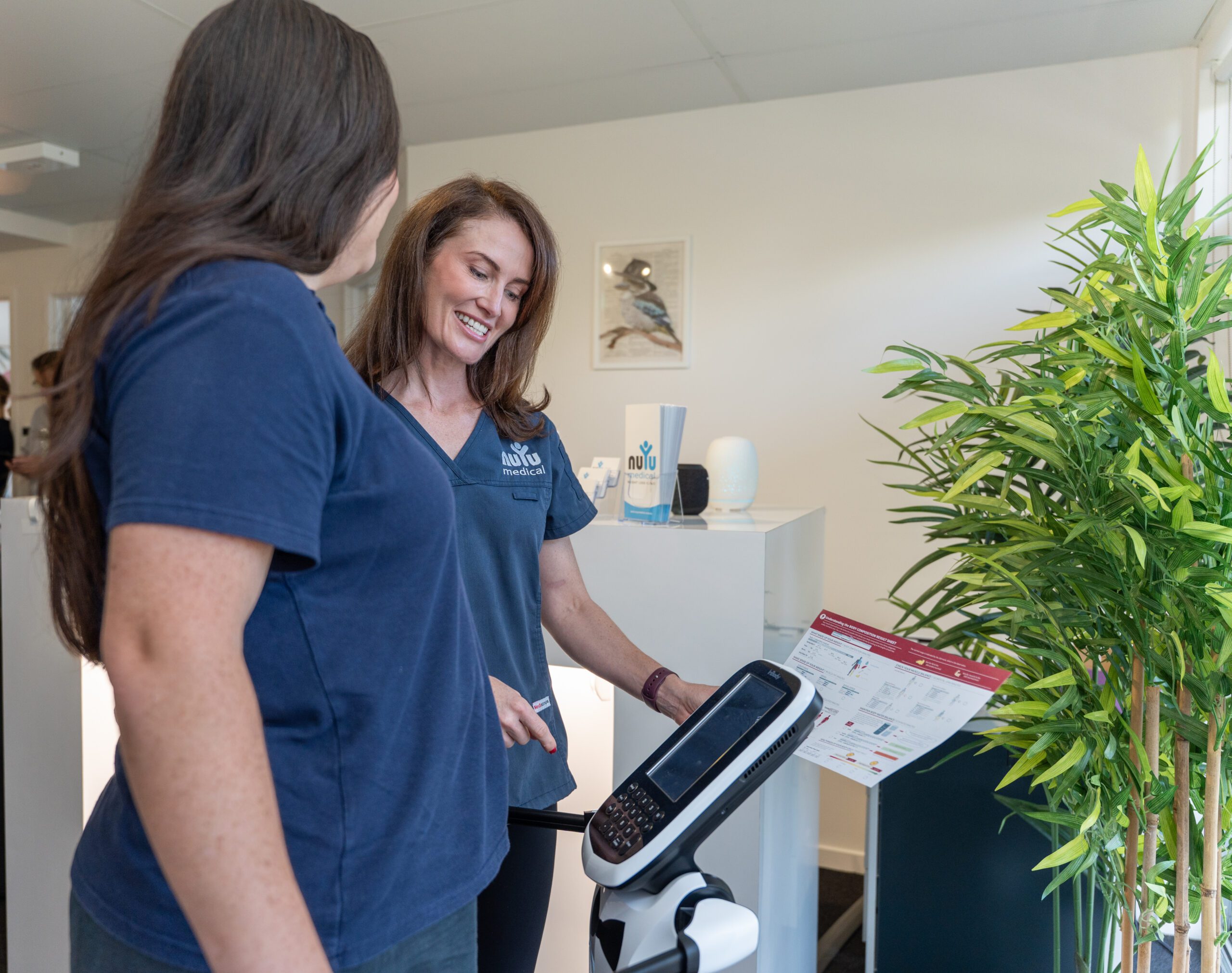
At NuYu Medical, the approach to PCOS-related weight gain begins with a comprehensive hormonal and metabolic assessment. Blood testing evaluates fasting insulin, glucose, HbA1c, testosterone, and other markers that reveal the specific nature of the imbalance. Body composition scanning provides a clear picture of fat distribution and muscle mass, which informs the treatment strategy.
The treatment plan typically combines dietary guidance designed to stabilise blood sugar and improve insulin sensitivity, targeted exercise recommendations, and GLP-1 medications where clinically appropriate. These medications have shown particular promise in PCOS management because they directly address insulin resistance and appetite regulation — two of the most stubborn barriers for women with this condition. Regular monitoring ensures that the plan evolves with the patient’s changing physiology.
How to Begin a PCOS-Focused Weight Management Programme
The first step is a thorough medical assessment that includes metabolic and hormonal blood testing. This provides the data needed to identify whether insulin resistance, hormonal imbalances, or other factors are driving weight gain — and to rule out related conditions such as thyroid dysfunction or adrenal disorders.
Based on the results, a personalised treatment plan is developed. This may include dietary strategies focused on glycaemic control, a structured exercise programme emphasising resistance training, and medical therapies such as GLP-1 medications or metformin to improve insulin sensitivity. Regular follow-ups allow the clinical team to track progress and refine the approach over time.
Consistency matters more than perfection. PCOS is a chronic condition, and weight management is an ongoing process that requires patience and clinical support rather than quick fixes or extreme measures.
Telehealth and Local Care Options
NuYu Medical offers in-person consultations at the Southport clinic, supporting patients across the Gold Coast and Surfers Paradise, as well as telehealth services for individuals throughout Australia. Consultation fees are provided upfront, ensuring transparency and accessibility at every stage of care.
To access PCOS-focused weight management support, book an appointment online at nuyumedical.com.au/book-appointment/