
When Your Body Feels Like It's Changed the Rules Overnight
Many women in their late forties and fifties describe the same unsettling experience. Nothing about their eating or activity has changed dramatically, yet the weight is settling differently, particularly around the middle, and the strategies that once worked now seem to do very little. On top of this come the broken sleep, the hot flushes, and the mood shifts, and somewhere in the mix is a question that feels almost taboo to ask: would hormone therapy help with the weight?
It is a fair question, and it is one surrounded by a great deal of confusing and contradictory information. Some sources imply that menopausal hormone therapy is a weight-loss treatment; others warn it causes weight gain. Both oversimplify a genuinely nuanced picture, and women deserve a clearer, more balanced explanation than either headline offers.
Getting the facts straight matters, because decisions about hormone therapy should be made on accurate information, not on fear or false hope.
How Oestrogen Influences Fat Distribution and Metabolism
Oestrogen does more than govern the menstrual cycle; it has a meaningful influence on where the body stores fat and how it manages energy. Before menopause, higher oestrogen levels are associated with fat being stored more around the hips and thighs. As oestrogen declines through the menopausal transition, fat distribution tends to shift towards the abdomen, which is why so many women notice a change in shape even when their overall weight is relatively stable.
This abdominal, or visceral, fat is not only a cosmetic concern. It is more metabolically active and is associated with greater risks to cardiovascular and metabolic health. Alongside this shift, ageing itself brings a gradual loss of muscle mass, which lowers metabolic rate, and disrupted sleep during menopause can further affect appetite-regulating hormones. The result is a genuine biological headwind, not a failure of effort.
Menopausal hormone therapy, often called HRT, replaces declining hormones primarily to manage symptoms such as hot flushes, night sweats, and bone loss. Its relationship with weight is indirect and frequently misunderstood.
Why Common Assumptions About HRT and Weight Mislead
A widespread belief is that HRT causes weight gain, and many women approach it with hesitation for that reason. Yet the available evidence does not support the idea that hormone therapy itself causes significant weight gain. The weight changes women experience around this time are largely driven by ageing and the menopausal transition, and would often occur with or without therapy. Some evidence suggests HRT may even modestly influence fat distribution, though it is not, and should never be presented as, a weight-loss medication.
The opposite assumption is equally unhelpful. Hoping that hormone therapy will resolve menopausal weight changes on its own sets women up for disappointment and distracts from the strategies that genuinely help. The frustration of feeling let down by one’s own body is real, but the answer lies in an accurate, individualised understanding rather than in either dismissing or overstating what HRT can do.
A Careful, Individualised Clinical Approach
Decisions about hormone therapy are personal and medical, weighing symptoms, individual health history, and risks and benefits, and they are best made with a doctor rather than from generalised information. At NuYu Medical, weight concerns during menopause are addressed as part of a broader clinical picture that recognises the interplay of hormones, body composition, muscle mass, and metabolic health, rather than treating weight in isolation.
In practice, this means pathology and blood testing to understand the metabolic and hormonal landscape, body composition scanning to track muscle and fat rather than relying on weight alone, and a plan that may incorporate nutrition, resistance training, and, where appropriate, other medical options. Where hormone therapy is being considered for menopausal symptoms, it is discussed honestly in terms of what it can and cannot do, and integrated into care rather than offered as a shortcut for weight.
Practical Strategies That Genuinely Help
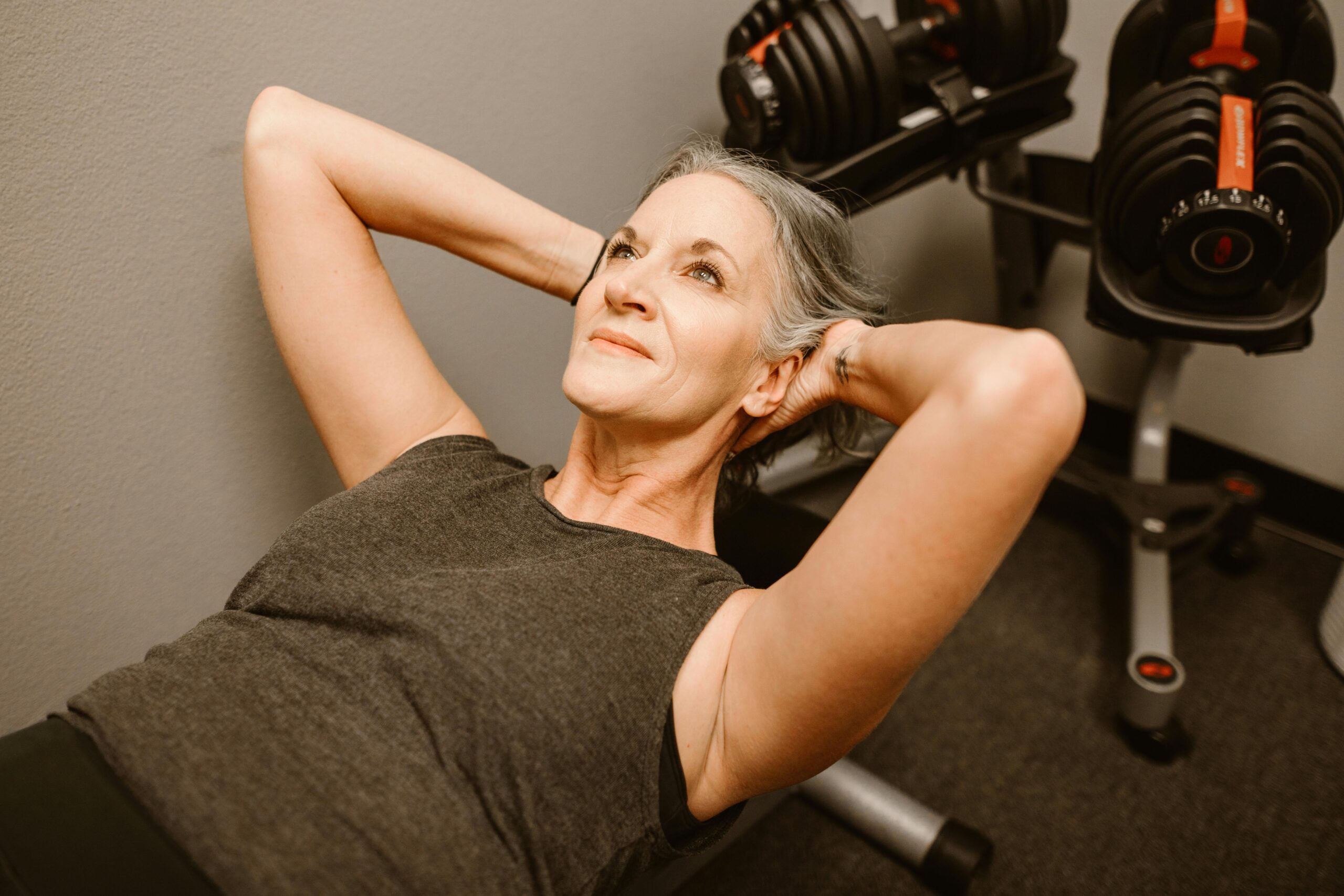
The single most protective strategy during menopause is preserving and building muscle, because muscle loss accelerates in these years and directly lowers metabolic rate. Resistance training, two or more sessions a week, is therefore not optional but central, and it supports bone health at the same time. Pairing this with adequate protein intake helps maintain lean tissue against the natural decline.
A second priority is addressing the factors that quietly drive weight changes, particularly disrupted sleep, which influences appetite hormones and cravings. Managing menopausal symptoms effectively, whether through hormone therapy or other means, can improve sleep and thereby support weight management indirectly. Finally, tracking progress through body composition rather than the scales alone gives a far more honest picture during a stage when shape and muscle, not just weight, are changing.
Telehealth and Local Care Options
NuYu Medical offers in-person consultations at the Southport clinic, supporting patients across the Gold Coast and Surfers Paradise, as well as telehealth services for individuals throughout Australia. Consultation fees are provided upfront, ensuring transparency and accessibility at every stage of care.
To receive support for managing weight and metabolic health through menopause, book an appointment online at nuyumedical.com.au/book-appointment/