
When the Medication Has Worked and You're Anxious About What Comes Next
There is a particular worry that surfaces once a GLP-1 medication has done its job. The weight has come down, clothes fit differently, blood results have improved, and yet a quiet question lingers. What happens when the medication stops? For many patients on the Gold Coast, this anxiety can overshadow the progress they have made, because they have heard stories of weight returning and they fear all the effort was temporary.
That worry deserves an honest, calm answer rather than either reassurance that glosses over reality or fear that exaggerates it. Coming off GLP-1 medication is not a cliff edge, but nor is it something to do casually or without a plan. The outcome depends enormously on how the transition is managed.
Understanding what actually happens in the body when these medications are stopped is the first step to maintaining results with confidence rather than dread.
What GLP-1 Medications Do, and What Changes When They Stop
GLP-1 medications such as semaglutide and tirzepatide work partly by mimicking hormones that regulate appetite and satiety. While taking them, many people feel fuller sooner, think about food less often, and find the constant background pull of hunger noticeably quieter. This is not willpower in a pen; it is a genuine physiological shift in how appetite signals are experienced.
When the medication is stopped, those appetite-regulating effects gradually fade. Hunger and food preoccupation tend to return, sometimes quite noticeably, because the underlying biology that drove them was being managed rather than permanently rewired. The body also has a well-documented tendency to defend a higher weight, a phenomenon often described as the metabolic set point, which can make the post-medication period feel like swimming against a current.
None of this means regain is inevitable. It means the return of appetite is a predictable, biological event that a good plan anticipates and prepares for, rather than something that catches a patient by surprise.
Why Stopping Abruptly and Hoping for the Best Goes Wrong
The most common reason results are lost is that the medication is stopped suddenly, with no maintenance strategy and no support to manage the return of appetite. When hunger comes back into a life where eating patterns and supporting habits were never fully established, old behaviours can re-emerge quickly. The disappointment that follows can feel like personal failure, when in reality the transition was simply unmanaged.
It is important to validate how distressing this can be. Patients who regain weight after stopping medication often feel they have let themselves down, when the more accurate picture is that they were navigating a powerful biological response without the structure or clinical guidance to do so safely. The problem is rarely the person, and rarely even the medication; it is the absence of a deliberate plan for what comes after.
A Structured, Supervised Transition
Maintaining results is far more achievable when discontinuation is treated as a clinical process rather than simply stopping a prescription. At NuYu Medical, decisions about reducing or ceasing GLP-1 medication are made with the individual, often involving a gradual taper rather than an abrupt halt, so the return of appetite can be monitored and supported rather than experienced all at once.
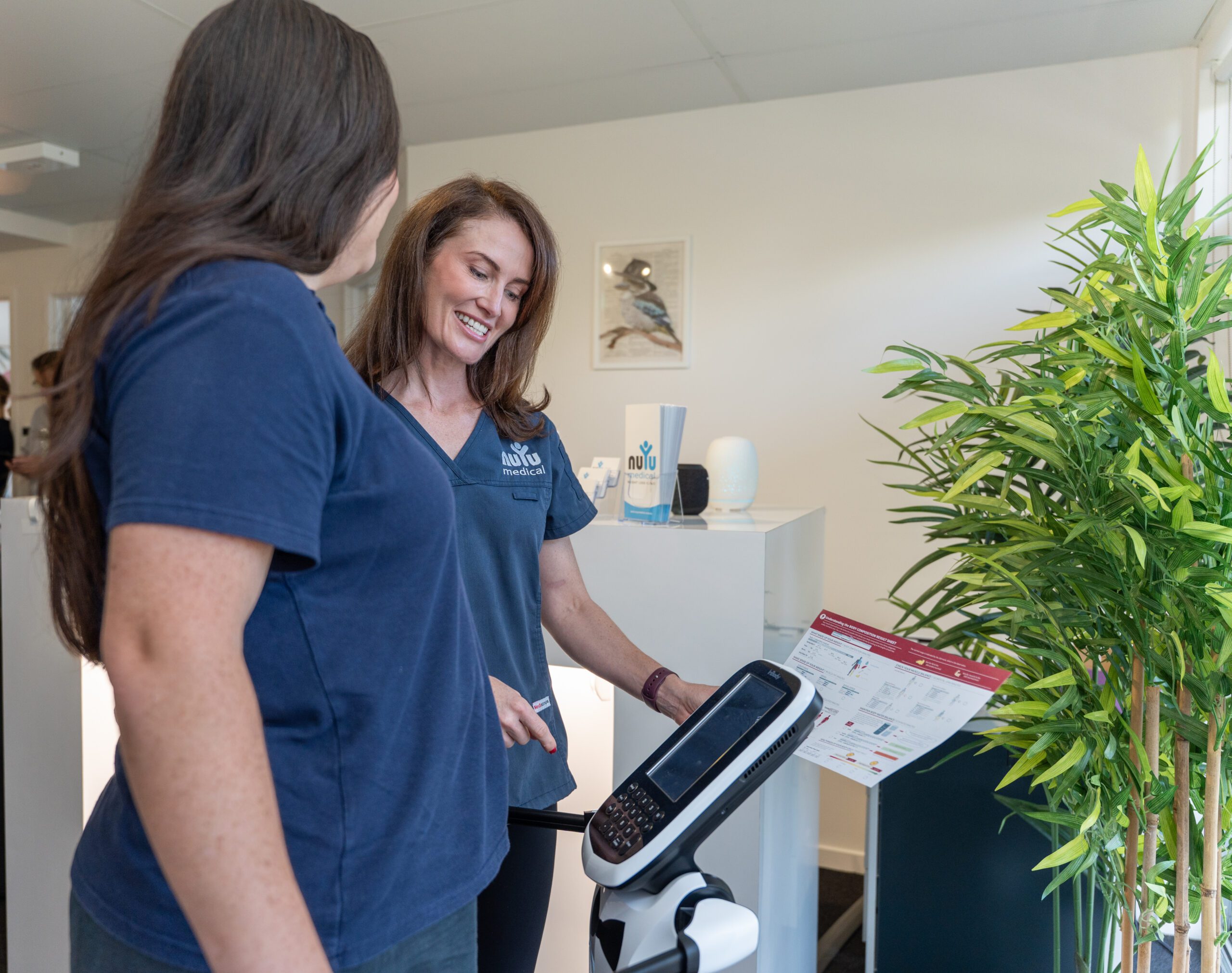
Crucially, the transition is paired with a maintenance plan built around nutrition, protein intake, and the preservation of muscle, with input from a dietitian and ongoing medical review. Body composition scanning helps ensure that the weight maintained is the right kind, and regular check-ins allow the plan to adapt if early signs of regain appear. For some patients, longer-term lower-dose maintenance may be clinically appropriate; for others, a full transition off medication is the goal. Either way, the decision is individualised and supervised.
Practical Steps for Protecting Your Results
The first priority during any transition is protecting lean muscle, because muscle is a major driver of metabolic rate and a key defence against regain. This makes adequate protein intake and regular resistance training central, not optional, in the maintenance phase. A dietitian can help structure protein across the day in a way that supports satiety as appetite returns.
A second strategy is to taper rather than stop abruptly where clinically appropriate, allowing appetite changes to be monitored and addressed gradually. Alongside this, ongoing review matters enormously; scheduled check-ins mean that any early upward drift in weight is identified and managed promptly rather than discovered months later. Finally, realistic expectations help, as a small degree of weight regain can be normal and is very different from losing all progress. A supervised plan keeps that difference clear.
Telehealth and Local Care Options
NuYu Medical offers in-person consultations at the Southport clinic, supporting patients across the Gold Coast and Surfers Paradise, as well as telehealth services for individuals throughout Australia. Consultation fees are provided upfront, ensuring transparency and accessibility at every stage of care.
To access support for safely transitioning off GLP-1 medication and maintaining your results, book an appointment online at nuyumedical.com.au/book-appointment/