
More Than Just “Calories In, Calories Out”
Have you ever felt that your body holds onto every calorie you eat? For many Australians, the barrier to weight loss isn’t a lack of discipline – it’s insulin resistance. This metabolic condition acts like a silent brake on your weight loss journey, preventing fat burning even when you are dieting.
At NuYu Medical, we delve deeper to identify these invisible biological factors . We believe that understanding your unique metabolism is the key to unlocking sustainable weight loss.
What is Insulin Resistance?
Insulin is a hormone that acts as a key, allowing sugar (glucose) from your blood to enter your cells for energy. When you are insulin resistant:
- The “locks” on your cells change, so insulin cannot open them easily.
- The pancreas works harder, pumping out more insulin to try to force the sugar into the cells.
- High insulin levels circulate in the blood, which blocks fat burning and signals the body to store energy as fat.
- Energy levels drop, leaving you feeling tired and hungry despite having plenty of stored energy.
Signs You Might Be Insulin Resistant
Insulin resistance often develops slowly and can go undiagnosed for years. Common signs include:
- Abdominal weight gain, or a “hard” belly that is difficult to reduce.
- Cravings for sweets or carbs shortly after eating.
- Fatigue after meals (the “post-lunch slump”).
- Skin tags or darkening of skin in creases (neck or underarms).
- Difficulty concentrating or “brain fog.”
How Medical Weight Loss Treats the Root Cause
You cannot simply “diet away” severe insulin resistance; it often requires a combined approach. Our program addresses this by:
- Comprehensive testing to confirm insulin levels and metabolic health.
- Medical interventions that improve the body’s sensitivity to insulin, “unlocking” the cells.
- Dietitian-led nutrition plans that focus on food quality and timing to keep insulin low.
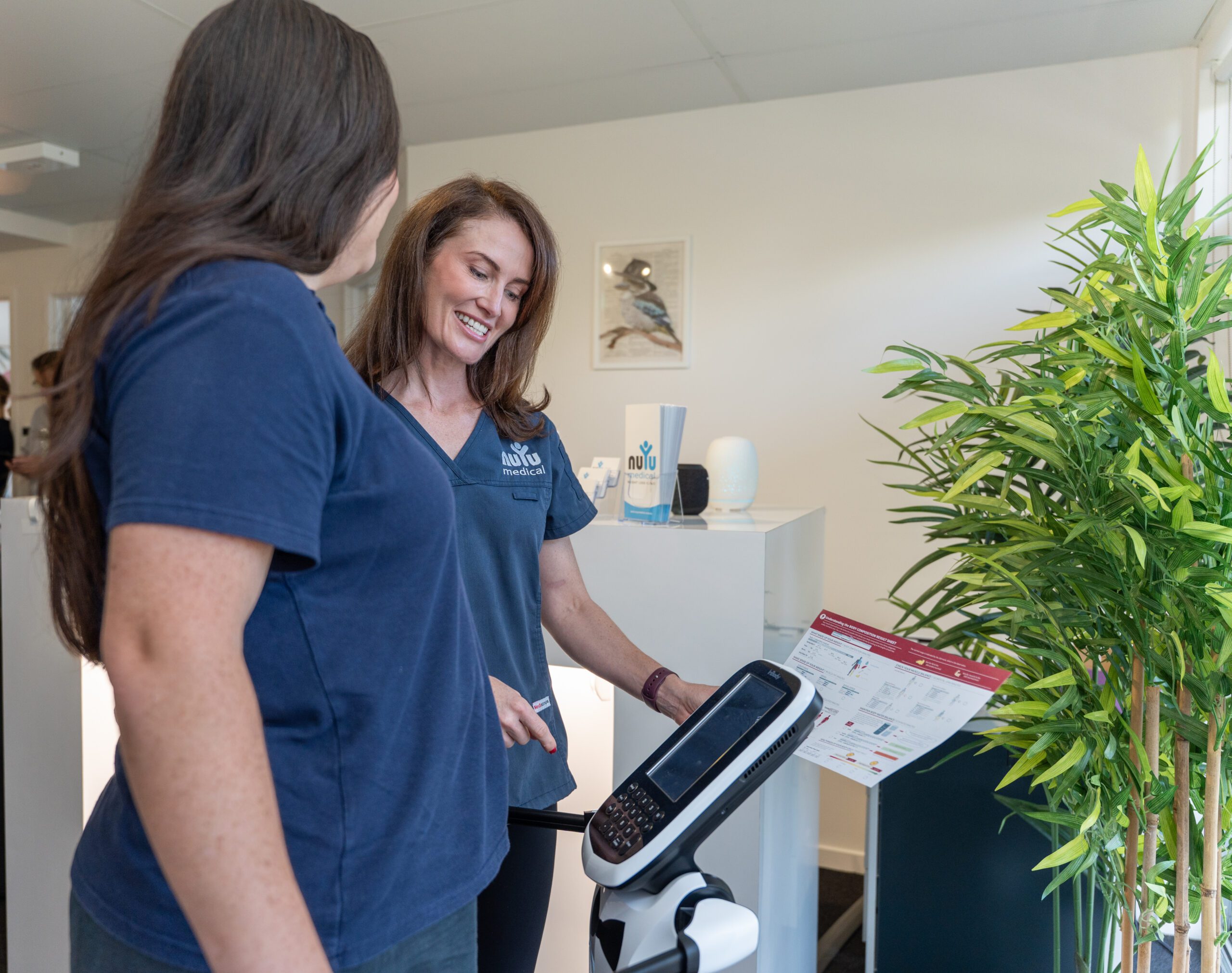
- Body composition monitoring to ensure you are losing fat, not muscle.
Practical Strategies to Improve Insulin Sensitivity
- Move your body after meals, such as a 10-minute walk, to help muscles use glucose immediately.
- Eat fibre-rich foods like vegetables and seeds to slow down sugar absorption.
- Avoid sugary drinks, which cause the fastest and most damaging spikes in insulin.
- Build muscle through strength training, as muscle tissue is the biggest consumer of glucose in the body.
- Seek medical advice early, as treating insulin resistance can prevent Type 2 diabetes.
Telehealth and Local Care Options
We provide both in-person consultations at our Southport clinic, serving the Gold Coast and Surfers Paradise, as well as telehealth appointments for patients across Australia.
Clear consultation fees are provided upfront, making ongoing care accessible and transparent.
Book an appointment to begin a weight loss journey supported by both medical and psychological expertise.