
The Questions You Are Afraid to Ask
You have tried dieting. You have tried exercise programmes. You have possibly tried multiple approaches over several years, with results that were either modest or short-lived. Now you are considering a medically supervised weight loss programme, and the mix of hope and uncertainty is understandable.
What actually happens at an appointment like this? Will you be judged for your weight history? Will you be handed a generic meal plan and sent home? Will the doctor even understand the specific barriers you have been facing? These are the questions many patients turn over in their minds before making a booking — and they are worth addressing honestly, because a good medical weight loss programme looks very different from what many people expect.
The short answer is that a genuine medical approach starts with listening, not prescribing. It begins with understanding your unique physiology, your history, and your barriers before making any recommendations. The goal is a plan that is built around you — not a protocol you are expected to fit into.
What a Clinical Assessment Actually Involves
The first consultation in a medically supervised programme is predominantly diagnostic. A thorough history is taken — not just weight history, but medical history, medication use, family history, sleep patterns, stress levels, exercise capacity, and previous weight loss attempts. This context matters enormously because it shapes the investigation and the treatment plan.
Blood testing is a core component of the initial assessment. A comprehensive metabolic panel evaluates fasting insulin and glucose to detect insulin resistance, thyroid function including free T3 and T4, inflammatory markers, sex hormones, and nutritional status. These are not tests that are routinely ordered in a standard health check — they are targeted investigations designed to identify the specific metabolic barriers that have been making weight loss difficult.
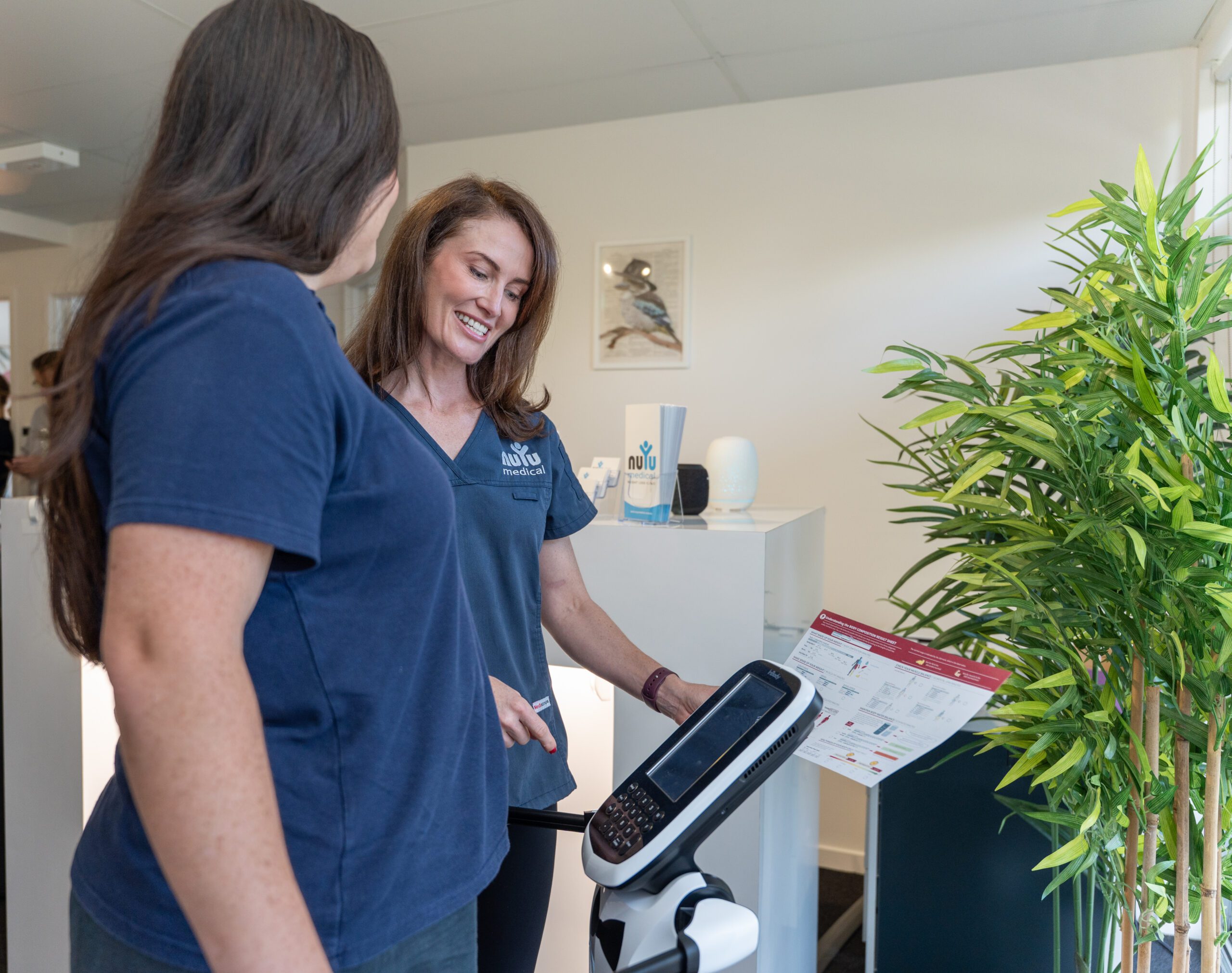
Body composition analysis provides a baseline measurement of muscle mass, fat mass, and fat distribution. This information is more clinically relevant than body weight alone — it establishes what the body is actually made up of, and allows progress to be tracked in terms of fat loss and muscle preservation rather than just the number on the scale.
What Treatment Looks Like in Practice
Treatment plans in a genuine medical weight loss programme are personalised to the findings of the assessment. A patient with insulin resistance receives a different plan from a patient with thyroid dysfunction — even if their symptoms appear similar on the surface.
Nutritional guidance is provided by a qualified dietitian and focuses on food quality, macronutrient composition, and eating patterns that are sustainable in the context of the patient’s real life. This is not a calorie-counting sheet; it is a clinically informed approach to eating that supports the specific metabolic condition identified in the assessment.
Where GLP-1 medications are appropriate — based on the clinical picture, the degree of metabolic dysfunction, and the patient’s goals — they are offered as a medical tool that works alongside lifestyle strategies, not as a shortcut that replaces them. At NuYu Medical, all prescribing decisions are made by registered medical practitioners with experience in metabolic medicine, and medications are monitored carefully throughout the course of treatment.
What You Can Realistically Expect
Progress in a medically supervised programme is measured differently from the numbers on a diet plan. Initial improvements in blood markers — insulin sensitivity, inflammatory levels, thyroid function — often precede significant changes on the scale. This is meaningful progress even when the scale has not moved, and it is important to recognise it as such.
Weight loss in a clinical programme tends to be more gradual than the rapid losses promised by fad diets, but significantly more durable. The metabolic environment is being changed, not just the calorie balance — and the results reflect that difference. Clinical trials of GLP-1 medications have reported average weight losses of 10 to 15 per cent of body weight over 12 to 18 months when combined with supervised lifestyle intervention.
Expect regular check-ins, follow-up blood testing, and ongoing plan adjustments. A good medical programme is not a single consultation — it is a structured process of assessment, intervention, and review that evolves as the body responds.
Telehealth and Local Care Options
NuYu Medical offers in-person consultations at the Southport clinic, supporting patients across the Gold Coast and Surfers Paradise, as well as telehealth services for individuals throughout Australia. Consultation fees are provided upfront, ensuring transparency and accessibility at every stage of care.
To begin a medically supervised weight loss programme, book an appointment online at nuyumedical.com.au/book-appointment/