
When the Surgery Worked, Then the Weight Crept Back
Few experiences are as quietly demoralising as watching the scales climb again after bariatric surgery. The operation was meant to be the definitive answer — the difficult, courageous decision that would finally settle the question of weight for good. For the first year or two, it often delivered exactly that. Then, somewhere in the third or fourth year, the numbers began to drift upward, and with them came a deep sense of having squandered a hard-won second chance.
People in this position often describe feeling that they have nobody to talk to about it. There can be embarrassment in admitting that the weight is returning after such a major intervention, and a fear of being judged for it. Many simply go quiet, blaming themselves and assuming they have somehow undone the surgery through their own choices.
The reality is far more reassuring than the self-blame suggests. Some degree of weight regain after bariatric surgery is common, well documented, and largely driven by biology rather than behaviour. Understanding why it happens is the first step towards addressing it properly.
The Biology That Reasserts Itself After Surgery
Bariatric surgery works in part by altering the gut hormones that govern hunger and fullness. In the months following the operation, levels of appetite-suppressing hormones rise and ghrelin, the principal hunger hormone, often falls. This is a large part of why eating feels so effortlessly controlled in the early period. Over time, however, the body adapts, and these hormonal signals can partially drift back towards their pre-surgical settings.
Alongside this, the body defends a higher weight far more stubbornly than most people realise. Metabolic adaptation means that as weight is lost, the body lowers its energy expenditure and amplifies hunger in an effort to restore what it perceives as a lost reserve. This biological defence does not switch off because surgery has occurred — it continues to operate quietly in the background for years.
A common myth is that regain happens because the surgical pouch has stretched. While modest anatomical changes can occur, research consistently shows that hormonal adaptation and the body’s defence of its set point are far more significant drivers than a “stretched stomach.” Placing the blame on the pouch, or on the patient, misses where the real pressure is coming from.
Why Going It Alone After Surgery Often Falls Short
Many people are discharged from formal surgical follow-up within a year or two, just as the hardest phase of long-term weight maintenance is beginning. They are left to manage a powerful biological tide with little ongoing support, and when regain starts, the standard advice is often to return to the post-operative diet and try harder. For a body actively defending a higher weight, this advice is frequently inadequate.
The frustration here is entirely justified. Patients did the difficult thing, followed the rules, and yet find themselves fighting the same biological forces that made weight loss so hard in the first place. Without continued medical support that acknowledges the underlying physiology, the regain can feel like a personal failure rather than what it truly is — a predictable adaptation that warrants ongoing clinical attention.
A Continuing-Care Approach to Long-Term Success
Lasting results after bariatric surgery depend on treating weight as a chronic condition that requires ongoing management, not a problem solved once on the operating table. At NuYu Medical, bariatric aftercare is built around continuity — regular review of nutrition, body composition, pathology markers and the hormonal factors that influence appetite well beyond the surgical window. The goal is to catch and address regain early, before it becomes entrenched.
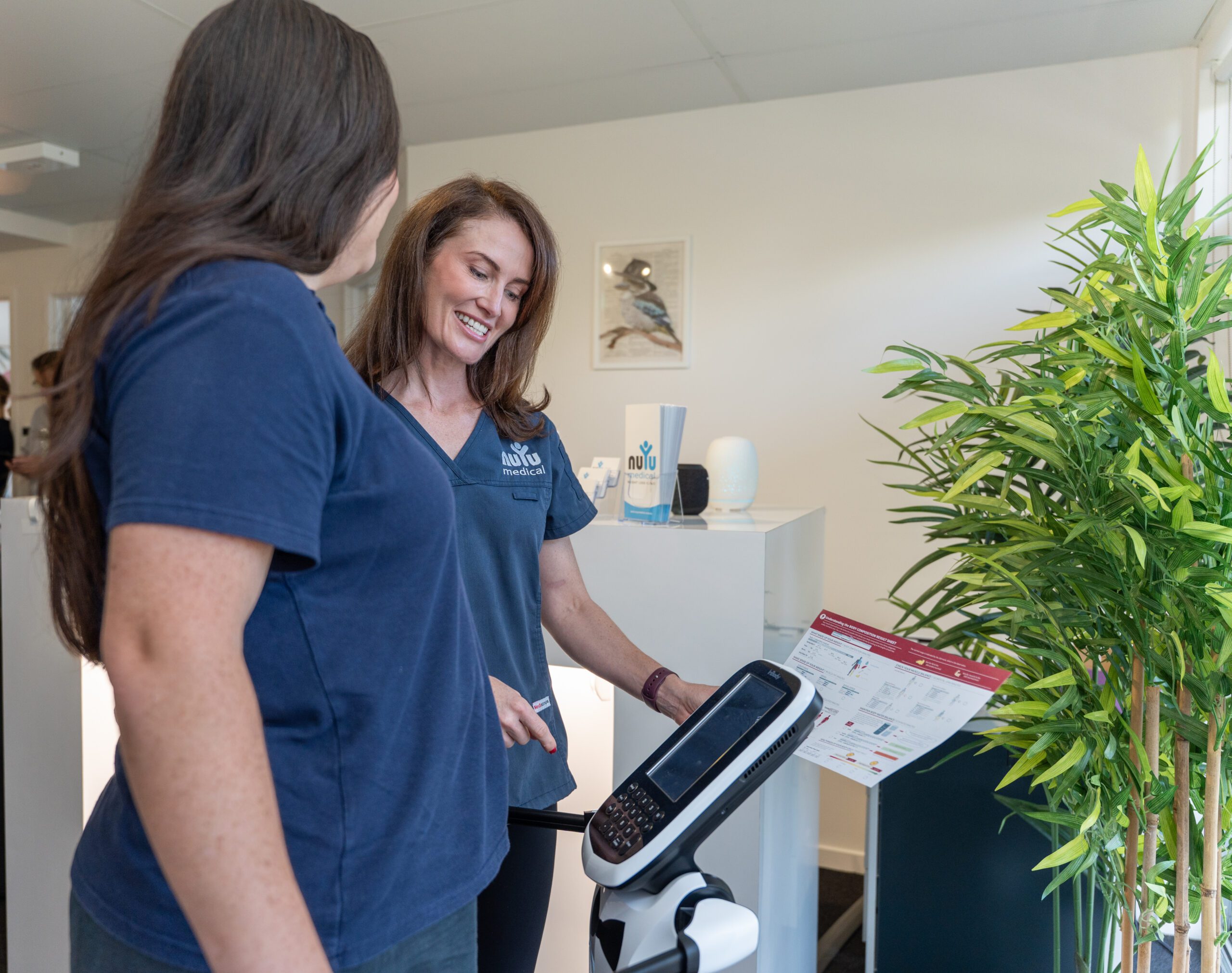
Where appropriate, this may include the considered use of GLP-1 medications such as semaglutide or tirzepatide, which can help counter the hormonal adaptation that drives returning hunger. Used under medical supervision and alongside dietetic support, these treatments can complement surgery rather than compete with it. Body composition scans help distinguish fat regain from muscle changes, ensuring the focus remains on metabolic health rather than the scales alone.
What Ongoing Aftercare Looks Like in Practice
The single most valuable step is re-establishing regular clinical contact rather than waiting until significant regain has occurred. Periodic review of pathology, protein and micronutrient status, and body composition allows changes to be identified and managed while they are still small. Many people find enormous relief simply in being monitored again rather than left to manage alone.
Protecting muscle mass deserves particular attention after surgery, as preserving lean tissue supports metabolic rate and long-term weight stability. Adequate protein intake, guided by a dietitian, and resistance-based activity help maintain this foundation. Where appetite has clearly rebounded, a medical assessment of whether GLP-1 therapy is appropriate can address the hormonal driver directly rather than asking willpower to do the impossible. Each of these strategies works best as part of a coordinated, individualised plan.
Telehealth and Local Care Options
NuYu Medical offers in-person consultations at the Southport clinic, supporting patients across the Gold Coast and Surfers Paradise, as well as telehealth services for individuals throughout Australia. Consultation fees are provided upfront, ensuring transparency and accessibility at every stage of care.
To access ongoing support for weight regain after bariatric surgery, book an appointment online at nuyumedical.com.au/book-appointment/