
Weight Loss Should Not Leave You Constantly Exhausted
Feeling slightly different while adjusting to new eating or exercise habits can occur, but persistent exhaustion should not automatically be accepted as part of weight loss.
Very restrictive diets, inadequate nutrition, poor sleep, excessive exercise, dehydration, or underlying medical conditions can all contribute to low energy.
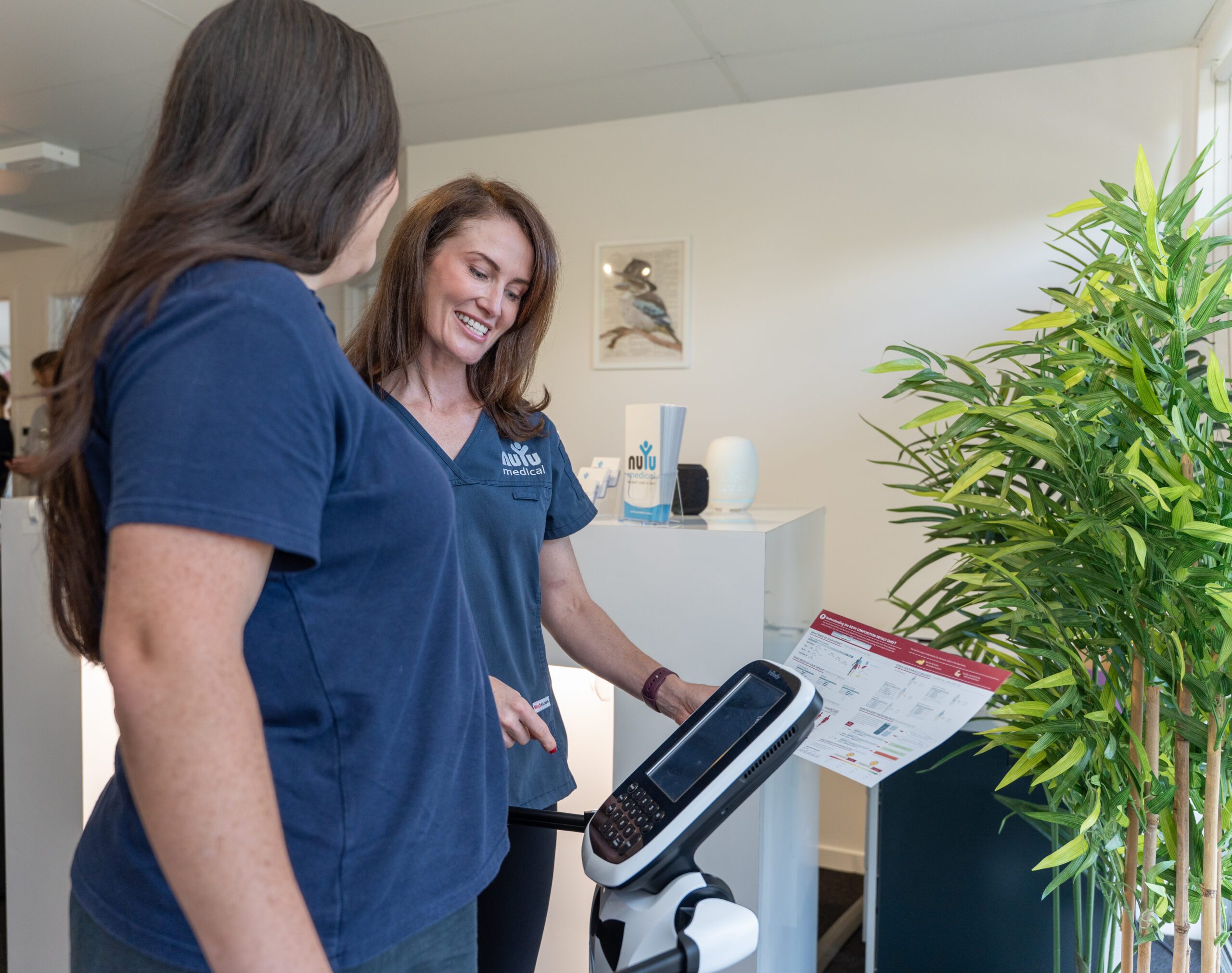
At NuYu Medical, sustainable weight management aims to improve overall health rather than achieving weight reduction at the expense of daily function.
Severe Restriction Can Reduce Energy
The body requires sufficient energy and nutrients to support everyday activities.
When food intake is reduced too aggressively, fatigue, irritability, difficulty concentrating, and reduced exercise capacity may develop.
Extreme restriction can also make a weight management plan difficult to maintain, increasing the likelihood of returning to previous eating patterns.
Meal Quality Can Influence Energy
Balanced meals provide the body with a combination of nutrients needed for normal function.
Protein supports muscle and satiety, while high-fibre carbohydrates can provide sustained energy. Healthy fats also contribute essential nutrients and help create satisfying meals.
Building meals around nutrient-rich foods can support energy while maintaining an appropriate overall intake.
Sleep Should Not Be Overlooked
Persistent fatigue is not always caused by nutrition.
Poor sleep quality, insufficient sleep, stress, shift work, or conditions such as sleep apnoea may contribute to daytime exhaustion.
Addressing sleep can therefore be just as important as adjusting food intake when low energy becomes a barrier to weight management.
Practical Strategies for Maintaining Energy
Eating balanced meals, maintaining adequate hydration, prioritising sleep, and allowing appropriate recovery between exercise sessions can support everyday energy.
If significant fatigue persists despite these measures, medical assessment may help identify other contributing factors.
Telehealth and Local Care Options
NuYu Medical provides personalised weight management consultations at our Southport clinic and through telehealth services across Australia.
Patients receive individualised guidance based on nutrition, lifestyle, metabolic health, medical history, and treatment needs.