
When a Routine Blood Test Delivers an Unexpected Warning
For many people, prediabetes arrives as a surprise. A routine check-up, a borderline result, and suddenly a word you associate with serious illness is attached to your own name. There may be no symptoms at all, which makes it easy to dismiss, yet a quiet unease lingers, especially if weight has been a long-running struggle and you sense this result is connected.
That unease is worth listening to, but so is the reassurance that comes with it. Prediabetes is not diabetes. It is a warning window, a period during which the body is signalling that something in its metabolism has shifted, while there is still genuine opportunity to change course. For Gold Coast and Queensland patients who have spent years frustrated by weight that will not shift, this diagnosis can actually be the moment things start to make sense.
Understanding what a prediabetic result really means, and how closely it is tied to weight, turns an alarming label into something far more useful: a clear and actionable starting point.
What HbA1c in the Prediabetic Range Is Telling You
The HbA1c test reflects average blood glucose over roughly the previous three months. A result in the prediabetic range sits above normal but below the threshold for type 2 diabetes, indicating that blood glucose has been running higher than it should. Behind that number, in most cases, lies insulin resistance.
Insulin is the hormone that ushers glucose out of the bloodstream and into cells for energy. When cells become resistant to its effects, the pancreas compensates by producing more insulin to keep glucose in check. For a time this works, and blood glucose stays near normal, but the system is under strain. A prediabetic HbA1c often marks the point where that compensation is beginning to fall short, allowing glucose to drift upward.
Crucially, insulin resistance and weight are bound together in a two-way relationship. Excess fat, particularly around the abdomen and liver, promotes insulin resistance, while high circulating insulin makes it easier to store fat and harder to release it. This bidirectional link explains why weight loss can feel impossible during this phase, and why the same biology, once addressed, can begin to work in your favour. The encouraging news is that prediabetes is frequently reversible, and weight reduction is one of the most powerful levers for reversing it.
Why Willpower Alone Rarely Breaks the Cycle
People with insulin resistance are often told simply to lose weight, as though the instruction itself were a solution. But high insulin levels actively work against fat loss and tend to drive hunger and cravings, meaning these patients are attempting to lose weight while their own hormones push in the opposite direction. It is a profoundly uneven contest.
This is why generic advice and sheer determination so often fail here, and why the failure is not a personal one. The body is responding logically to a metabolic environment that favours fat storage. Without addressing the underlying insulin resistance, willpower is set against biology, and biology usually wins. Recognising this reframes the struggle entirely and points toward a more effective path.
A Clinical Approach to a Reversible Condition
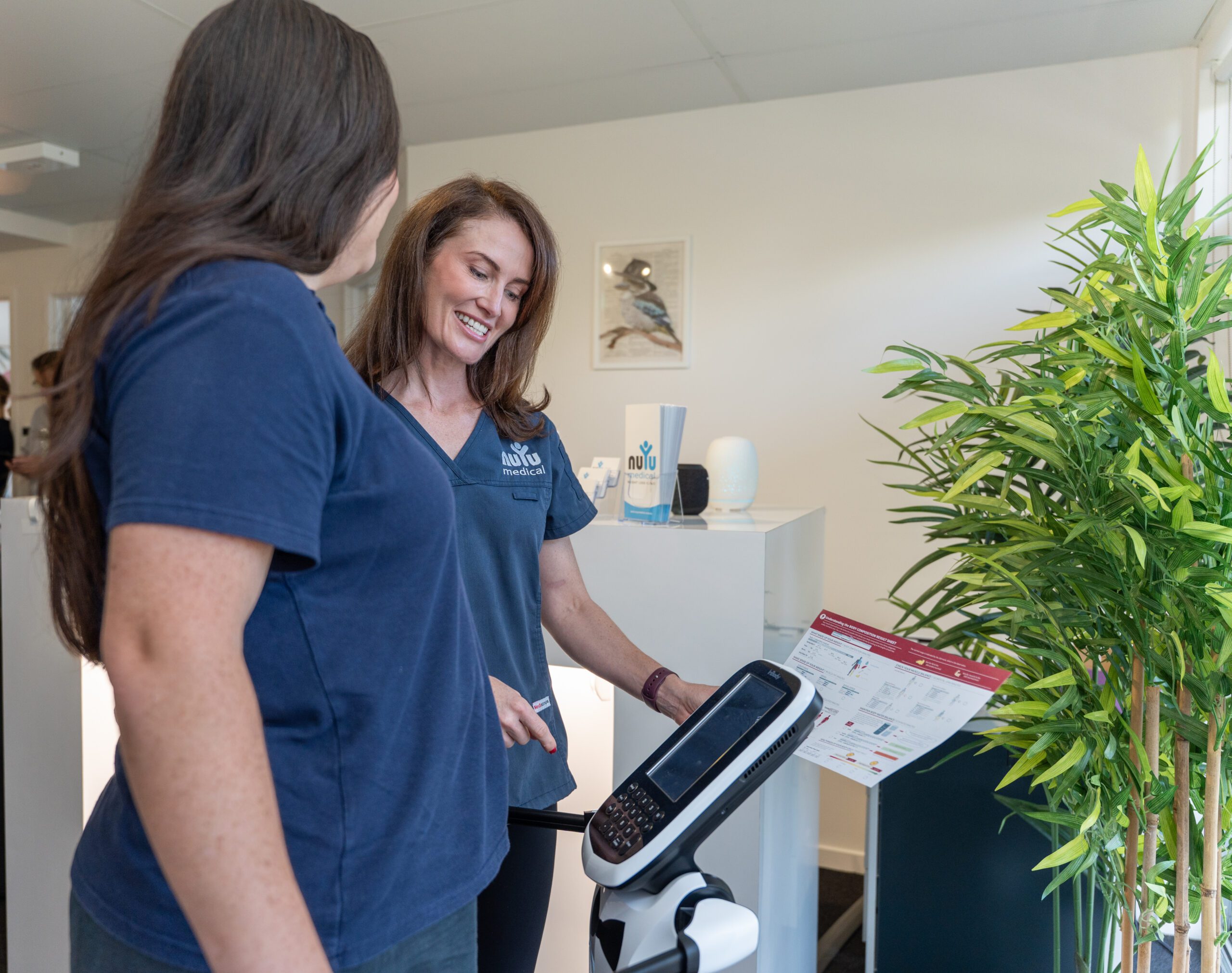
Prediabetes is best treated as the opportunity it is. At NuYu Medical, a thorough assessment can include pathology beyond a single HbA1c, looking at fasting glucose, fasting insulin, and related markers to build a detailed picture of insulin sensitivity. Body composition scanning adds further insight by identifying visceral fat, the metabolically active fat most closely linked to insulin resistance.
With this information, a medically supervised plan can target the root of the problem rather than chasing the number on the scales. This may combine structured nutritional and lifestyle change with, where clinically appropriate, consideration of medical weight loss treatments that can support both weight reduction and glucose regulation. Because the goal during this window is to reverse the trajectory before it progresses, having clinical oversight and regular monitoring makes a meaningful difference to the outcome.
What to Expect and Where to Begin
The most effective early steps focus on improving insulin sensitivity. Prioritising protein and fibre while reducing refined carbohydrates helps blunt the glucose spikes that keep insulin elevated. Building muscle through regular resistance activity is particularly valuable, as muscle is a major site of glucose uptake and improves the body’s responsiveness to insulin over time.
Equally important is regular monitoring. Repeating HbA1c and related pathology at appropriate intervals shows whether the strategy is working and allows the plan to be adjusted before problems progress. For some patients, medical support is warranted to break the insulin-driven cycle, and this is a clinical decision best made with proper assessment. The combination of targeted lifestyle change and structured monitoring is what turns a prediabetic result into a reversed one.
Telehealth and Local Care Options
NuYu Medical offers in-person consultations at the Southport clinic, supporting patients across the Gold Coast and Surfers Paradise, as well as telehealth services for individuals throughout Australia. Consultation fees are provided upfront, ensuring transparency and accessibility at every stage of care.
To receive support for prediabetes and insulin resistance, book an appointment online at nuyumedical.com.au/book-appointment/