When the Joy Doesn’t Match the Expectation
The picture of new motherhood is supposed to include joy, connection, and a gentle settling into a new life. For many women, it includes those things — and also something else: exhaustion that does not lift, anxiety that arrives with the night feeds, a flatness that no amount of love for the baby seems to reach, and a body that feels foreign. The weight that was expected to shift does not move, and the effort to manage it feels like one more demand in a life already overloaded.
The postnatal period is one of the most emotionally and physiologically intense transitions a woman can experience, and its two most common burdens — mental health struggles and weight concerns — are not separate problems. They are connected, and understanding the connection is essential for managing either one.
What Happens to the Postnatal Mind and Body
The hormonal cascade of birth leaves the postnatal body in a state of profound adjustment. Oestrogen and progesterone fall sharply, thyroid function can shift, and the sleep deprivation of newborn care fragments the restorative sleep that regulates mood and appetite. The result is a period in which both emotional regulation and metabolic regulation are operating under strain.
The prevalence of postnatal mental health difficulties is well documented: a substantial proportion of new mothers experience anxiety or depression in the first year, and the condition is under-recognised and under-treated. The relationship with weight runs in both directions. Depression and anxiety reduce the capacity for the daily behaviours that weight management depends on — planning meals, moving the body, protecting sleep. Comfort eating rises when mood falls, and appetite dysregulation can go either way — overeating or loss of appetite. Meanwhile, the weight itself becomes a source of distress, feeding the low mood in a self-reinforcing loop. Each problem makes the other harder to resolve.
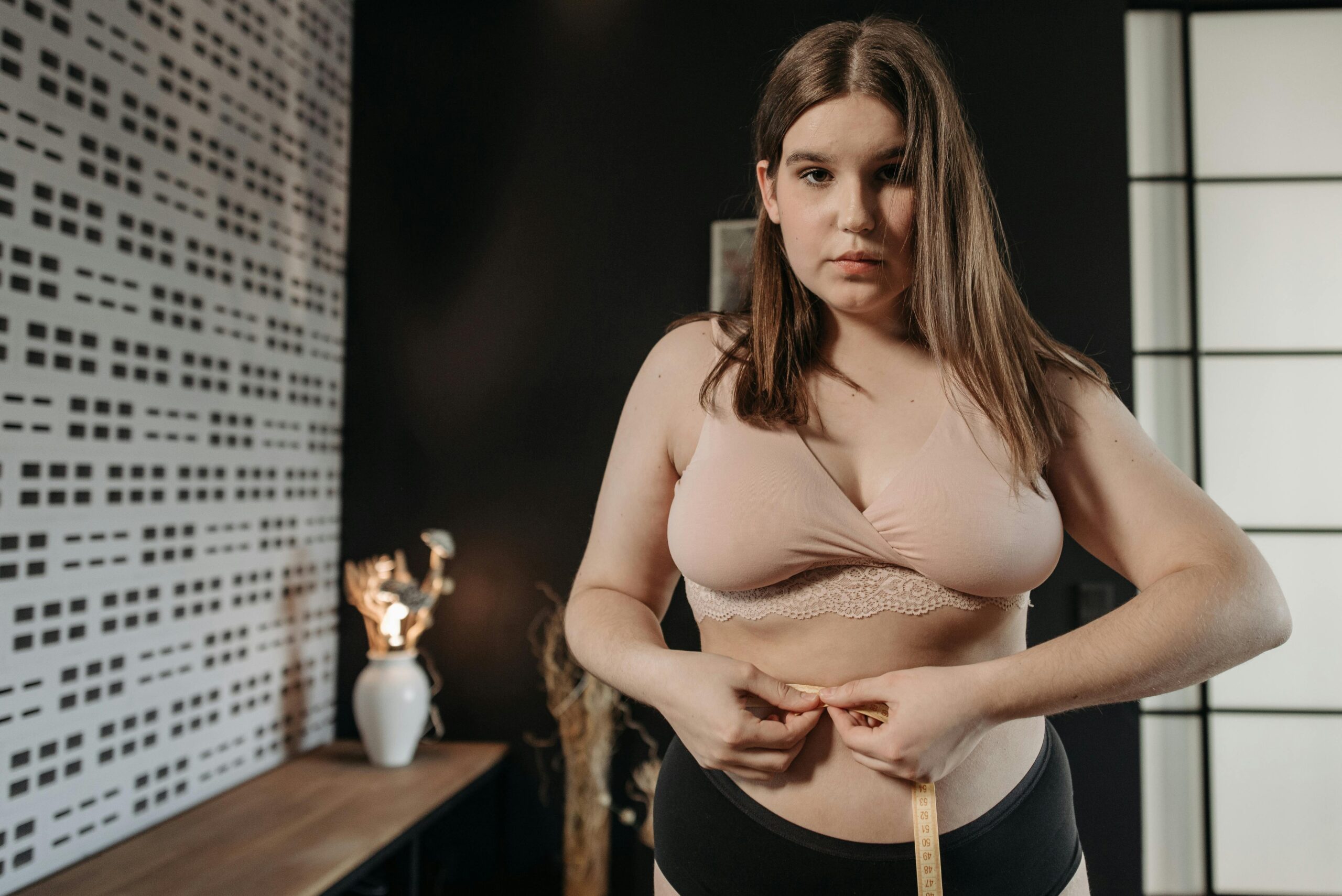
This is why the standard advice to new mothers — “enjoy your baby, the weight will come off” — can feel so dismissive. For a woman whose mood is struggling, the weight is not vanity; it is part of a wider picture of feeling unlike herself, in a body she does not recognise, in a life that has changed overnight.
Why Shame Makes Both Problems Worse
The cultural pressure on new mothers is intense: the expectation of bouncing back, the constant comparison, the unspoken judgement. For a woman experiencing postnatal depression or anxiety, this pressure converts her weight struggle into another verdict on her adequacy. The shame she feels about her body compounds the shame she may already feel about her mood — and shame is profoundly destructive to both.
Shame drives concealment: the woman who hides her struggles gets less support. It drives avoidance: the woman who avoids the scales, the photos, the social occasions, also avoids the appointments and the movement that would help. And shame undermines the behaviours that matter, because eating patterns driven by shame and restriction rebound harder than patterns built on kindness and structure.
A Kind and Clinical Approach to Postnatal Recovery
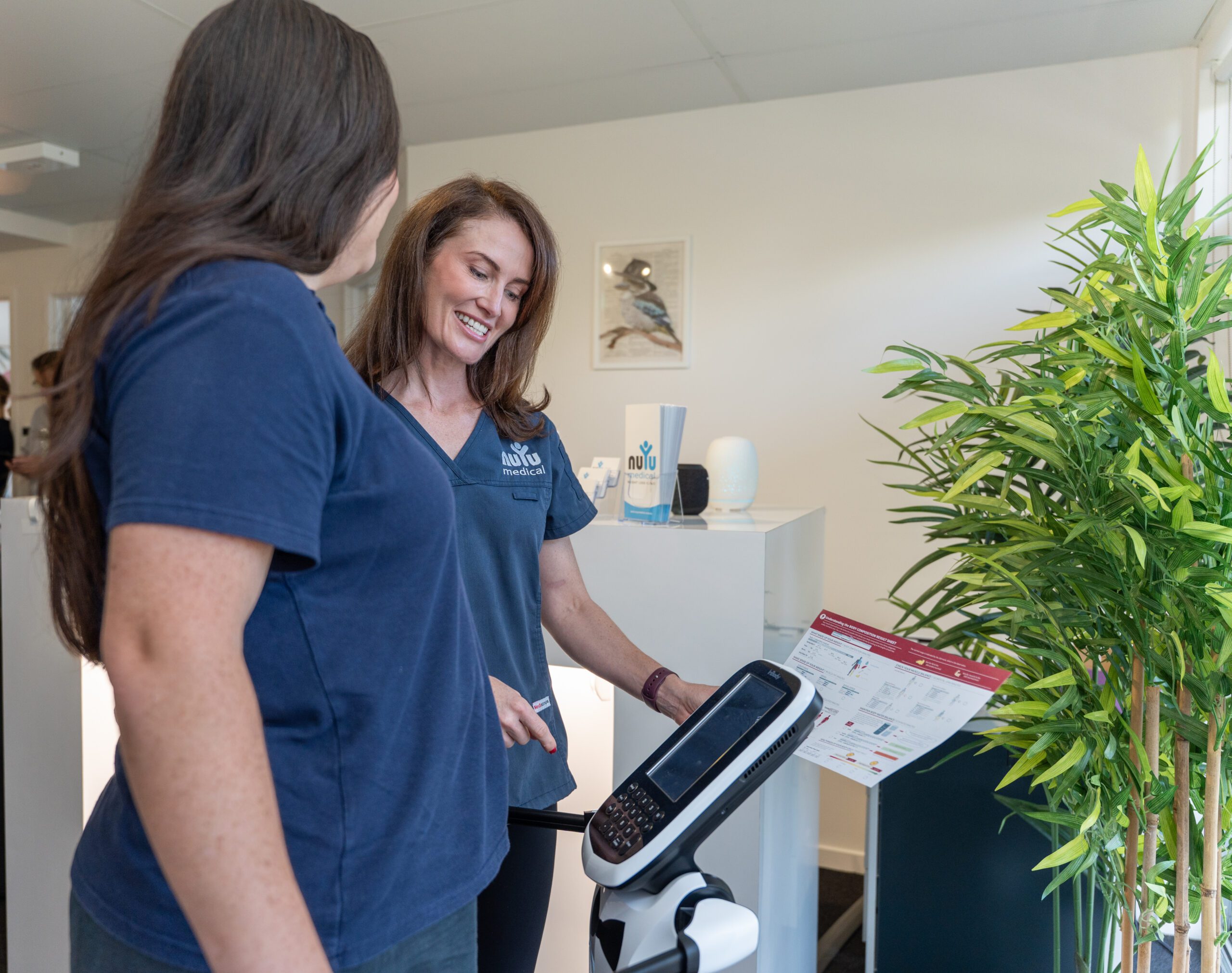
At NuYu Medical, the postnatal programme begins with the recognition that mental health and weight are part of one picture. The medical assessment includes a conversation about mood, anxiety, sleep, and emotional wellbeing — not as an afterthought, but as core clinical information. Where postnatal depression or anxiety is present or suspected, the medical team can guide the patient toward the appropriate support and treatment, because treating the mood is a prerequisite for the weight to respond.
The weight programme itself is designed for a body and mind in recovery. Nutrition is structured around adequacy — protein, iron, and regular meals that support energy and mood — rather than restriction. Movement is gentle and realistic. The plan is reviewed at a pace that respects the realities of new motherhood. The central message is a clinical one: the postnatal period is not a time for harsh expectations, and both the mind and the body are entitled to proper care and treatment.
Practical Strategies for Postnatal Wellbeing and Weight
The first strategy is checking in on mood as well as weight. The Edinburgh Postnatal Depression Scale is a simple screening tool, freely available, and many women find completing it at intervals gives an honest picture of how they are tracking. Talking to a GP or the clinic about mood, anxiety, and sleep should carry no more stigma than discussing the weight itself.
The second strategy is protecting the basics: food and rest. Regular meals with protein and iron-rich foods support both energy and mood, and accepting help with the baby to protect sleep is not weakness — it is treatment. The third is reframing the movement goal for this season of life: a daily walk, rather than a training programme, is a legitimate and valuable target. When weight concerns persist beyond the first year, a medical review that includes blood testing — thyroid, iron, vitamin D — identifies whether a physical factor is still at play alongside the emotional one.
Telehealth and Local Care Options
NuYu Medical offers in-person consultations at the Southport clinic, supporting patients across the Gold Coast and Surfers Paradise, as well as telehealth services for individuals throughout Australia. Consultation fees are provided upfront, ensuring transparency and accessibility at every stage of care.
To access postnatal care that supports mental health and weight together, book an appointment online at nuyumedical.com.au/book-appointment/