When the Pill Was the Only Answer and It Was Never Quite Enough
For many women diagnosed with polycystic ovary syndrome, the clinical conversation follows a predictable path. Irregular periods are noted. An ultrasound may confirm polycystic ovaries. Blood work may show elevated androgens. And then the prescription is written the oral contraceptive pill to regulate the cycle, manage acne, and provide endometrial protection. The pill does help in several important ways. But what it does not do is address the underlying metabolic dysfunction that drives PCOS. The weight remains difficult to shift. The cravings persist. Many women spend years with their PCOS managed on the surface while its deeper metabolic roots continue to grow.
PCOS is, at its core, a metabolic condition with reproductive manifestations not the other way around. The same insulin resistance that makes weight loss so difficult also drives the ovaries to produce excess androgens, disrupting ovulation. Treating the reproductive symptoms while leaving insulin resistance unaddressed is like painting over a crack without repairing the foundation. Understanding the full metabolic picture opens a path to genuine symptom control that the pill alone cannot provide.
The Insulin-Androgen Axis: What Is Actually Driving PCOS
Insulin resistance is present in approximately 70 to 80 per cent of women with PCOS, including many who are lean and whose blood glucose appears normal. When cells become resistant to insulin, the pancreas produces more, leading to chronically elevated circulating insulin (hyperinsulinaemia). Insulin acts directly on ovarian theca cells to stimulate androgen production. The excess androgens disrupt the feedback loops between brain and ovaries, preventing regular ovulation.
This same hyperinsulinaemia also drives weight gain. Insulin is a storage hormone; when levels are high, the body is in fat-storage mode. High insulin also stimulates appetite, particularly for carbohydrate-rich foods, creating a cycle in which insulin resistance drives cravings, which increase carbohydrate intake, which raises insulin further. The weight gain that many women with PCOS experience is not a cause of the condition but a consequence of the same underlying metabolic dysfunction.
Why the Pill Alone Leaves the Real Problem Untouched
The oral contraceptive pill works by suppressing ovarian androgen production and providing regular withdrawal bleeds. It can be effective for cycle regulation, acne, and hirsutism. But it does not improve insulin sensitivity. In some formulations, it may worsen it slightly. The pill does not reduce the long-term risk of type 2 diabetes, which is significantly elevated in women with PCOS. And, critically, it does not help with the weight management struggle that is often the most distressing symptom.
The experience of being told that the pill is the treatment and that weight loss is a matter of diet and exercise without any clinical support for the insulin resistance making weight loss nearly impossible is deeply familiar to thousands of Australian women. A comprehensive medical approach recognises that this is a metabolic condition requiring metabolic treatment.
A Comprehensive Medical Approach to PCOS
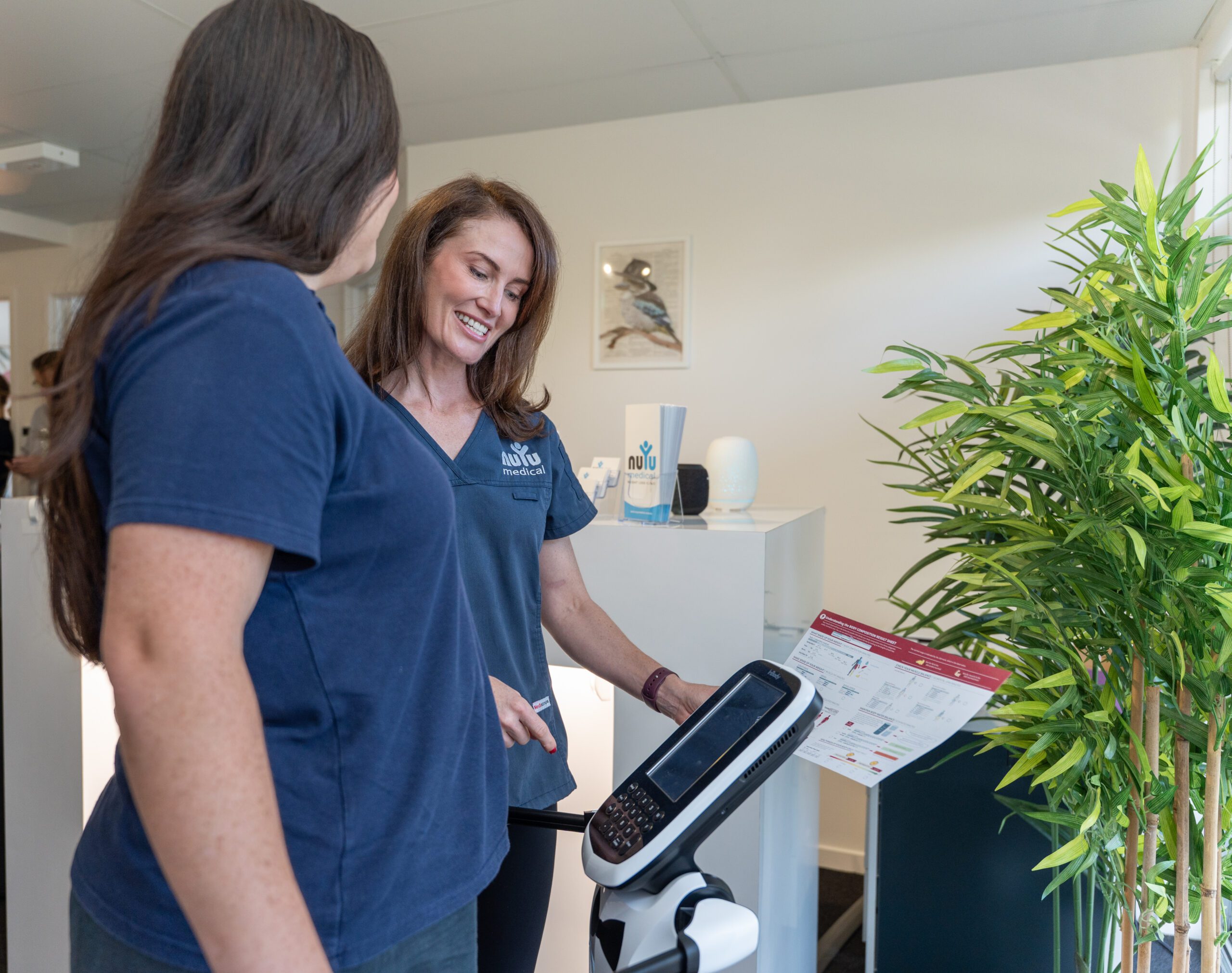
At NuYu Medical, the assessment begins with a detailed metabolic evaluation. Blood testing includes reproductive hormones, fasting insulin, glucose, HbA1c, and lipid profiles, markers that reveal the insulin resistance and cardiovascular risk standard assessments often overlook. A two-hour oral glucose tolerance test may be indicated, as many women with PCOS have normal fasting glucose but significant post-prandial hyperglycaemia.
Treatment is individualised to the severity of insulin resistance. GLP-1 receptor agonists such as semaglutide have shown particular promise because they directly address the hyperinsulinaemia and appetite dysregulation at the heart of the condition. Metformin remains a useful option for some patients. Nutritional guidance from Brianna Fear-Keen focuses on glycaemic control through lower glycaemic index eating patterns, adequate protein, and anti-inflammatory foods. Where the pill or other hormonal therapies are needed, they are used as part of a broader strategy rather than as the sole intervention.
Practical Strategies for Managing PCOS Medically
The nutritional starting point is glycaemic control. Prioritising foods with a lower glycaemic index, whole grains, legumes, non-starchy vegetables, and most fruits — helps moderate the post-meal insulin surge that drives cravings and fat storage. Pairing carbohydrates with protein and healthy fats further blunts the glycaemic response. Distributing food intake across three balanced meals prevents the prolonged fasting that can trigger reactive hypoglycaemia.
Physical activity supports insulin sensitivity independently of weight loss, and a combination of resistance training and moderate aerobic exercise is more effective than either alone. Stress management deserves particular attention because cortisol directly worsens insulin resistance and can stimulate adrenal androgen production. Adequate sleep, mindfulness practices, and realistic boundaries are not indulgences, they are part of the medical management of the condition.
Telehealth and Local Care Options
NuYu Medical offers in-person consultations at the Southport clinic, supporting patients across the Gold Coast and Surfers Paradise, as well as telehealth services for individuals throughout Australia. Consultation fees are provided upfront, ensuring transparency and accessibility at every stage of care.
To access comprehensive medical care for PCOS that goes beyond the pill, book an appointment online at nuyumedical.com.au/book-appointment/