
When the Headlines Only Tell Part of the Story
The first few months on a GLP-1 medication can feel transformative. Appetite quiets down. Cravings recede. The scale moves in a way it has not moved for years. For many who have spent a lifetime fighting their body’s signals, this initial phase brings profound relief effort finally begins to match results.
But fewer headlines address what comes next. What does long-term use actually look like? Does the effect wear off? What happens if someone stops? These are the real worries patients carry into every follow-up appointment, and they deserve a clear, evidence-based answer. The maintenance phase is where the most important clinical decisions are made.
The Biology of Long-Term Appetite Regulation
To understand why long-term use is often necessary, it helps to understand what these medications are doing biologically. Semaglutide and tirzepatide are not temporary appetite suppressants; they are receptor agonists working on the body’s endogenous GLP-1 pathway a hormonal system regulating satiety, gastric emptying, and insulin secretion.
In people living with obesity, this regulatory system is frequently dysregulated. The natural GLP-1 response may be blunted, meaning the brain does not receive the usual fullness signal after eating. GLP-1 medications restore that signalling. The STEP 1 trial extension, published in 2022, demonstrated that participants who stopped semaglutide after 68 weeks regained approximately two-thirds of their lost weight within the following year. This was not a failure of discipline it was the predictable result of removing the pharmacological support that had been correcting an underlying biological dysfunction.
Why Stopping Abruptly Does Not Work
One of the most discouraging experiences is to lose weight successfully, only to watch it return despite continued efforts. This is precisely what happens when GLP-1 therapy is discontinued without an ongoing maintenance plan. The hormonal signals the medication was correcting reappear, and the body’s powerful homeostatic drive to return to its previous weight reasserts itself.
This is not a personal failure it is the expected physiological outcome when a chronic condition loses its treatment. Obesity, like hypertension or type 2 diabetes, is a long-term medical condition. The clinical question is what an appropriate long-term strategy looks like for each individual, and how it can be adjusted over time to maintain results safely.
A Medical Model for Long-Term Weight Maintenance
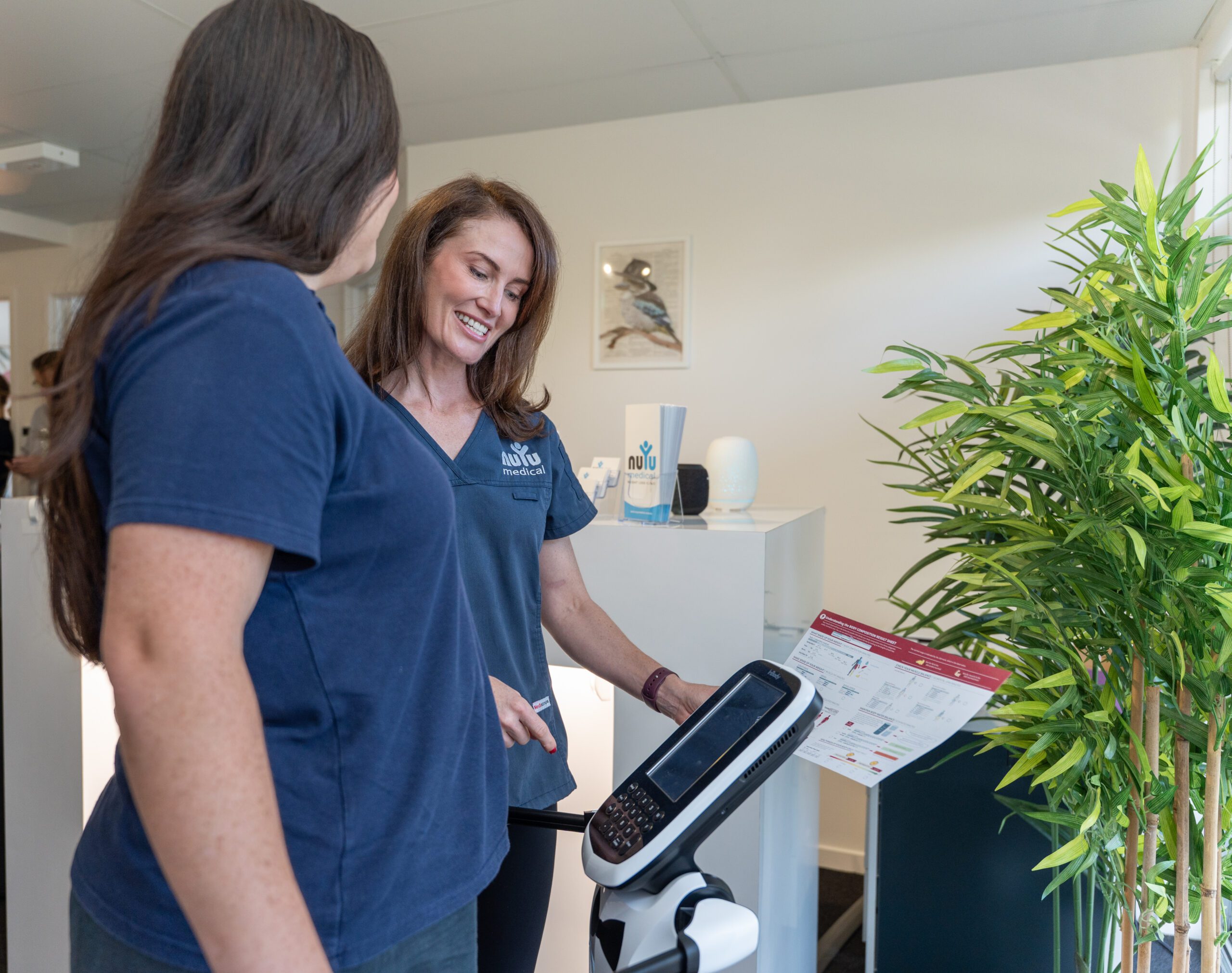
At NuYu Medical, the approach to GLP-1 therapy extends well beyond the initial weight loss phase. Once meaningful results have been achieved, clinical focus shifts to maintenance requiring as much attention as active weight loss. This includes regular monitoring of metabolic markers, ongoing assessment of dosage, and continued dietary support from a qualified dietitian.
For many patients, maintenance involves a carefully managed lower dose than the peak used during active weight loss. The goal is the minimum effective dose that sustains metabolic benefit while minimising side effects. Consultations include body composition analysis and blood testing to track not just weight, but the broader metabolic picture improvements in insulin sensitivity, lipid profiles, and inflammatory markers.
What Long-Term Success Looks Like in Practice
Long-term success involves a structured, medically supervised programme addressing the multiple factors influencing weight regulation. Regular pathology testing monitors kidney function, liver health, and metabolic markers that can shift over extended treatment, providing the data clinicians need for informed adjustments.
Nutritional support remains important during maintenance. With appetite signals normalised, patients have a genuine opportunity to establish eating patterns supporting their health but this still requires guidance. Working with a dietitian ensures nutrient intake is adequate, particularly for protein, fibre, and micronutrients that can be challenging to maintain with lower overall intake. Physical activity also plays a supportive role a sustainable, enjoyable routine preserves lean muscle mass and supports long-term health.
Telehealth and Local Care Options
NuYu Medical offers in-person consultations at the Southport clinic, supporting patients across the Gold Coast and Surfers Paradise, as well as telehealth services for individuals throughout Australia. Consultation fees are provided upfront, ensuring transparency and accessibility at every stage of care.
To access ongoing medical support for long-term GLP-1 weight management, book an appointment online at nuyumedical.com.au/book-appointment/