
The Surgery Was Not the End of the Road
You have been through the process — the consultations, the preparations, the surgery itself. You lost significant weight in the months that followed, and for the first time in years, you felt hopeful. But somewhere along the way, the progress slowed. The weight began to creep back. The old habits started to reappear, and the voice in your head that said you had finally fixed the problem began to waver.
This experience is far more common than most people realise. Bariatric surgery is one of the most effective interventions for significant weight loss — but it is not a cure. It is a tool that changes the anatomy of your digestive system, creating the conditions for weight loss. What happens after that depends on a range of factors that surgery alone cannot address.
What Happens to Your Body After Surgery
Bariatric surgery — whether gastric sleeve, gastric bypass, or another procedure — creates physical changes that restrict food intake and, in some cases, alter how nutrients are absorbed. In the first 12 to 18 months, these changes produce significant and often rapid weight loss. But the body adapts over time.
Hormonal regulation shifts. Ghrelin, the hunger hormone, may initially decrease after surgery, contributing to reduced appetite. But as the body acclimates, ghrelin levels can rise again. Metabolic adaptation occurs — the body becomes more efficient at using energy, which means the same calorie intake that produced weight loss in the first year may produce a plateau in the second.
Nutritional challenges also emerge. Reduced food intake and altered absorption can lead to deficiencies in key nutrients including iron, vitamin B12, vitamin D, and calcium. Without careful monitoring and supplementation, these deficiencies can cause fatigue, bone density loss, and other health problems that undermine quality of life and make weight management harder.
The Gap in Standard Post-Surgery Care
Many patients receive excellent surgical care but find that follow-up support diminishes once the immediate recovery period is over. They are discharged with general advice — eat protein, take supplements, come back if there is a problem — but the day-to-day reality of managing weight, nutrition, and health after surgery is far more complex.
Weight regain after bariatric surgery is not unusual. Studies suggest that some degree of regain occurs in a significant proportion of patients within two to five years. This is not a failure of the surgery or the patient; it is the body’s natural adaptation to the new anatomy. Without ongoing medical support that monitors metabolic changes, adjusts nutritional plans, and addresses emerging barriers, patients are left to navigate this phase alone.
The missing piece is comprehensive, long-term aftercare that treats weight management after surgery as an ongoing medical process — not a one-time event.
Comprehensive Aftercare at NuYu Medical
At NuYu Medical, post-bariatric support is structured as a long-term partnership. The clinical team understands that the years following surgery present their own challenges, and patients benefit from regular monitoring, nutritional guidance, and medical interventions tailored to their evolving needs.
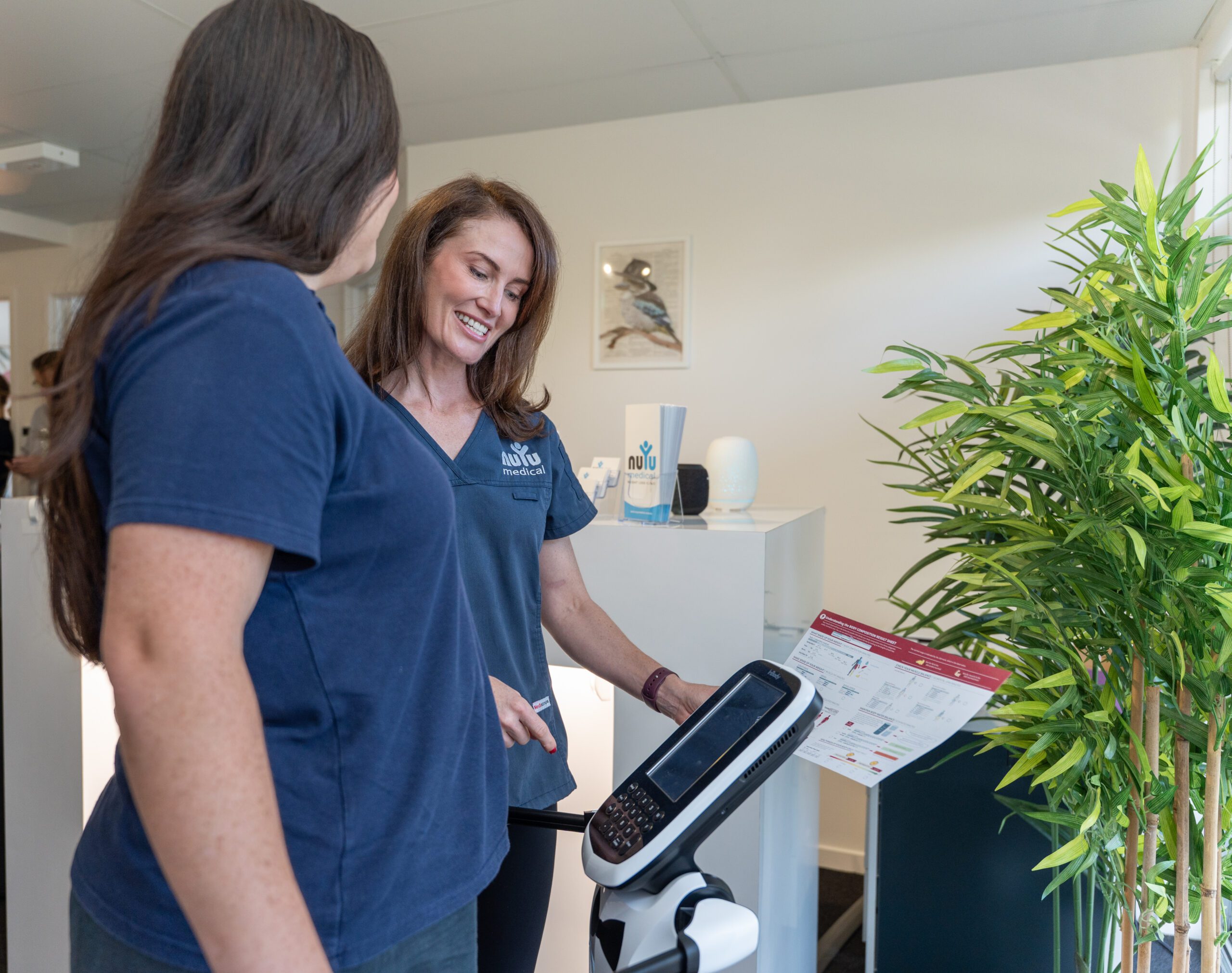
Blood testing is performed at regular intervals to detect nutritional deficiencies before they cause symptoms. Body composition scans track whether changes in weight are coming from fat loss or muscle loss — a critical distinction after surgery, when muscle preservation is essential for metabolic health. If weight regain begins, the team investigates the underlying causes: hormonal shifts, dietary drift, metabolic adaptation, or other factors.
Where appropriate, GLP-1 medications can be introduced to support weight maintenance or address regain after surgery. These medications provide a medical tool that works alongside the anatomical changes created by surgery, helping to regulate appetite and improve metabolic control during the post-surgical phase.
What Good Aftercare Looks Like
Regular monitoring is essential. Schedule blood tests at least twice a year to check iron, vitamin B12, vitamin D, calcium, and other key nutrients. Annual body composition scans provide objective data on whether you are maintaining healthy tissue balance.
Work with a dietitian who understands post-bariatric nutrition. Supplement needs change over time, and dietary strategies that worked in the first year may need adjustment as your body acclimates. Professional nutritional guidance prevents the common pitfalls of post-surgery eating.
If you notice the scale trending upward, seek support early. Small regains are easier to address than large ones, and the underlying causes may be treatable with medical intervention. You did not go through surgery to go through it alone afterwards.
Telehealth and Local Care Options
NuYu Medical offers in-person consultations at the Southport clinic, supporting patients across the Gold Coast and Surfers Paradise, as well as telehealth services for individuals throughout Australia. Consultation fees are provided upfront, ensuring transparency and accessibility at every stage of care.
To access post-bariatric support and monitoring, book an appointment online at nuyumedical.com.au/book-appointment/