
When Your Body Seems to Fight Every Meal
You finish lunch and, instead of feeling satisfied, you are hit with a wave of tiredness so strong you could lay your head on the desk. An hour or two later the cravings start, usually for something sweet or starchy. The weight gathers around your middle no matter what you do, and you have a nagging sense that your body simply does not process food the way it used to.
These experiences are easy to brush aside individually, but together they form a pattern that many Australians live with for years without a name. Often there is a family history of type 2 diabetes, or a history of gestational diabetes or PCOS, that makes the picture more likely still.
That pattern frequently points to insulin resistance — a common and reversible metabolic state that sits upstream of a great deal of stubborn weight and fatigue. Learning to recognise the signs is the first step towards doing something about it.
What Insulin Resistance Actually Is
Insulin is the hormone that allows glucose from food to move out of the bloodstream and into cells, where it is used for energy. In insulin resistance, the cells become less responsive to insulin’s signal, so the pancreas compensates by producing more and more of it to keep blood sugar in check.
This means that long before blood sugar readings become abnormal, insulin levels can be running persistently high. And insulin is not just a blood sugar hormone — it is also a powerful fat-storage signal. Elevated insulin encourages the body to store fat, particularly around the abdomen, while making it harder to release stored fat for energy. This is why insulin resistance and stubborn central weight so often travel together.
The clues show up in recognisable ways. Fatigue after carbohydrate-heavy meals, persistent cravings for sugar and starch, difficulty losing weight despite genuine effort, and skin changes such as skin tags or darkened, velvety patches in the folds of the neck and armpits — known as acanthosis nigricans — can all point towards the condition. None of these alone confirms it, but several together make it well worth investigating.
Why Willpower Is Not the Answer
People with insulin resistance are often told, in effect, to simply eat less and move more. But when high insulin levels are actively driving fat storage and blocking fat release, the body is working against the very effort being asked of it. The afternoon energy crashes and relentless cravings are not weakness — they are the predictable downstream effects of a metabolism that is not handling glucose efficiently.
This is why so many people feel they are failing when they are actually fighting a hormonal headwind. Generic advice rarely accounts for the underlying mechanism, which leaves patients cycling through diets that work briefly and then stall. The frustration is entirely understandable, and it usually resolves once the real problem is identified and addressed directly rather than glossed over.
A Clinical Approach to Confirming and Reversing It
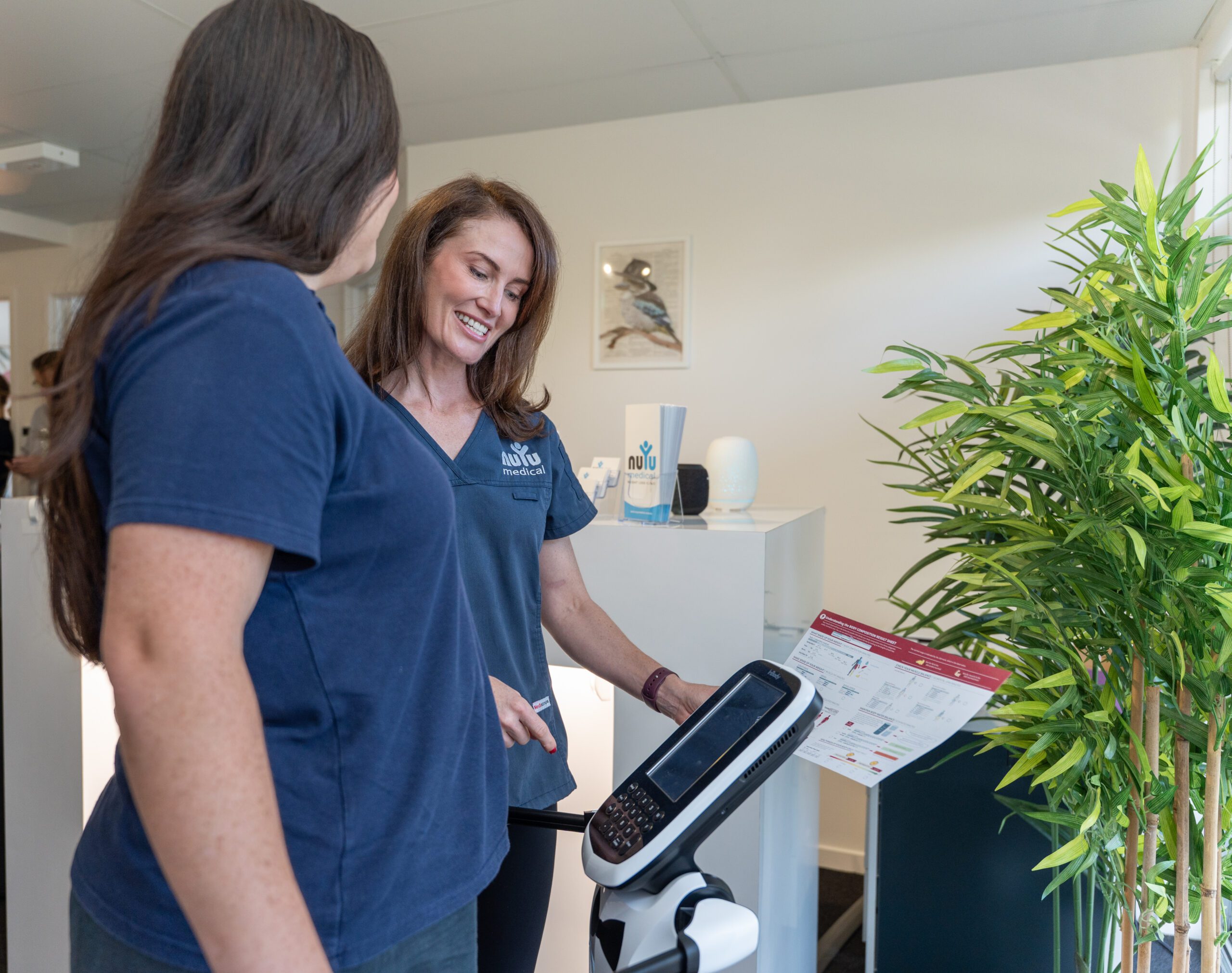
Recognising the signs is valuable, but confirmation comes from proper testing. At NuYu Medical, patients who suspect insulin resistance can access pathology that goes beyond a single glucose reading — including fasting insulin, fasting glucose, HbA1c, and lipid markers — to build a clear picture of how the body is handling blood sugar. Body composition scans add further insight by quantifying visceral fat, a key contributor to insulin resistance.
With that information, care can be genuinely targeted. For many patients, structured nutritional support that prioritises protein, fibre, and lower-glycaemic foods improves insulin sensitivity substantially. Where clinically appropriate, GLP-1 medications can play a role, as they improve insulin sensitivity and support weight loss that further reverses the underlying resistance. The crucial point is that insulin resistance is highly modifiable when approached with the right information.
What to Do Next
The most useful first step is to take the pattern seriously and seek proper assessment rather than self-diagnosing or assuming the worst. A doctor can arrange the relevant blood tests, interpret them in the context of your history and symptoms, and distinguish insulin resistance from other conditions that mimic it. Knowing your numbers transforms vague worry into a clear, actionable starting point.
From there, several evidence-based changes help meaningfully. Building meals around protein, fibre, and non-starchy vegetables blunts the blood sugar spikes that drive high insulin, while regular resistance training improves the muscles’ ability to take up glucose. Reducing reliance on refined carbohydrates and sugary drinks eases the metabolic load. These strategies are most effective when guided by testing and tailored to the individual, which is exactly the kind of personalised, medically supervised support that turns recognition into genuine recovery.
Telehealth and Local Care Options
NuYu Medical offers in-person consultations at the Southport clinic, supporting patients across the Gold Coast and Surfers Paradise, as well as telehealth services for individuals throughout Australia. Consultation fees are provided upfront, ensuring transparency and accessibility at every stage of care.
To receive support for confirming and reversing insulin resistance, book an appointment online at nuyumedical.com.au/book-appointment/