Perfection Can Become a Barrier
Many people begin a weight loss journey with strict expectations.
They plan to eat perfectly, exercise every scheduled day, avoid certain foods completely, and never deviate from the program.
This can work temporarily. But when an inevitable disruption occurs, one unplanned meal or missed workout may feel like complete failure.
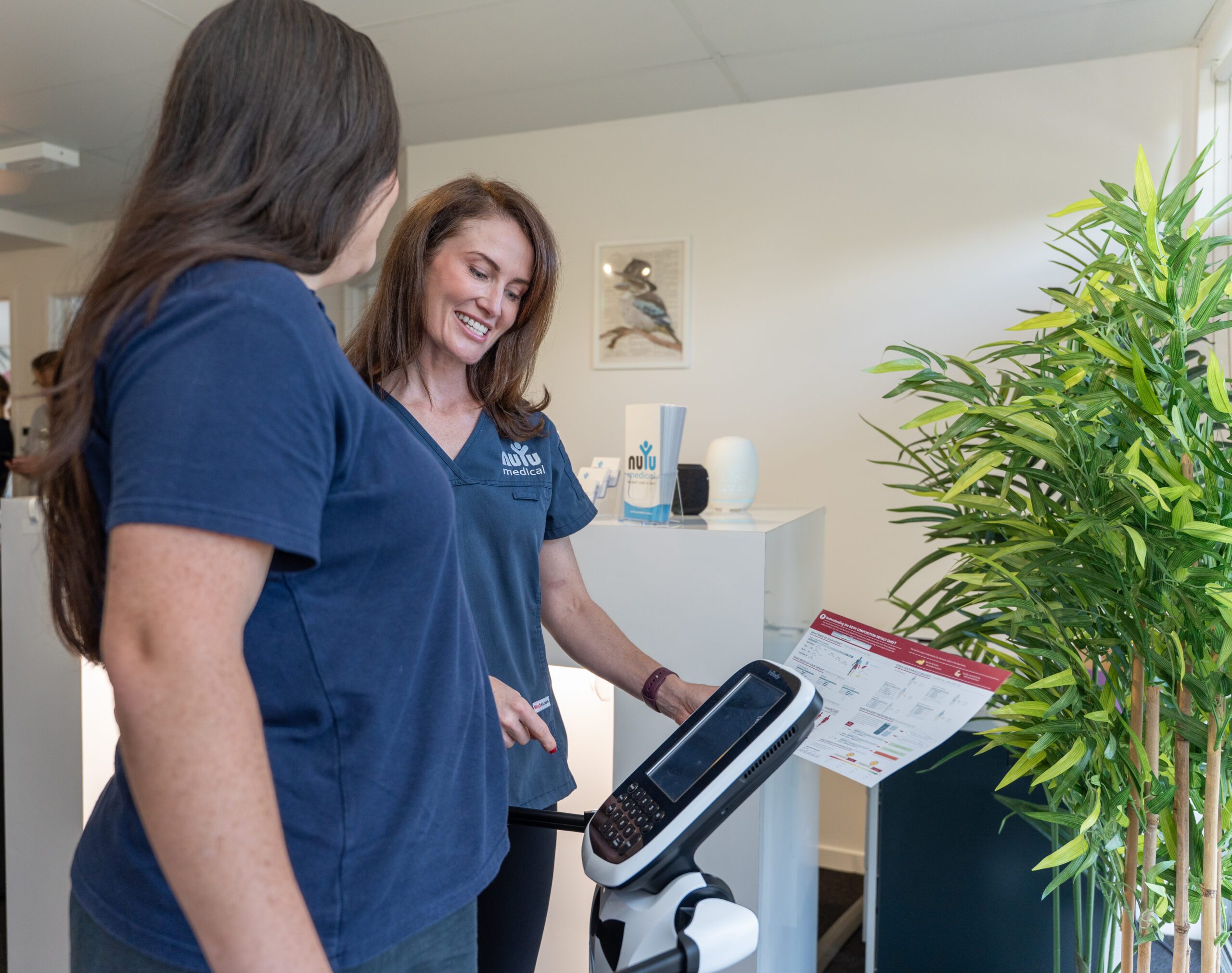
At NuYu Medical, sustainable weight management focuses on consistency rather than perfection.
One Choice Does Not Define the Entire Day
Eating more than planned at lunch does not mean dinner needs to become another overeating episode.
Missing a morning workout does not mean physical activity has failed for the entire week.
Each decision provides an opportunity to return to normal habits without waiting for Monday, next month, or another fresh start.
Restriction Can Reinforce the Cycle
All-or-nothing thinking often appears alongside restrictive dieting.
A food may be considered completely forbidden until it is eventually eaten. Once the rule has been broken, someone may feel there is no reason to stop.
This can create a cycle of restriction, overeating, guilt, and renewed restriction.
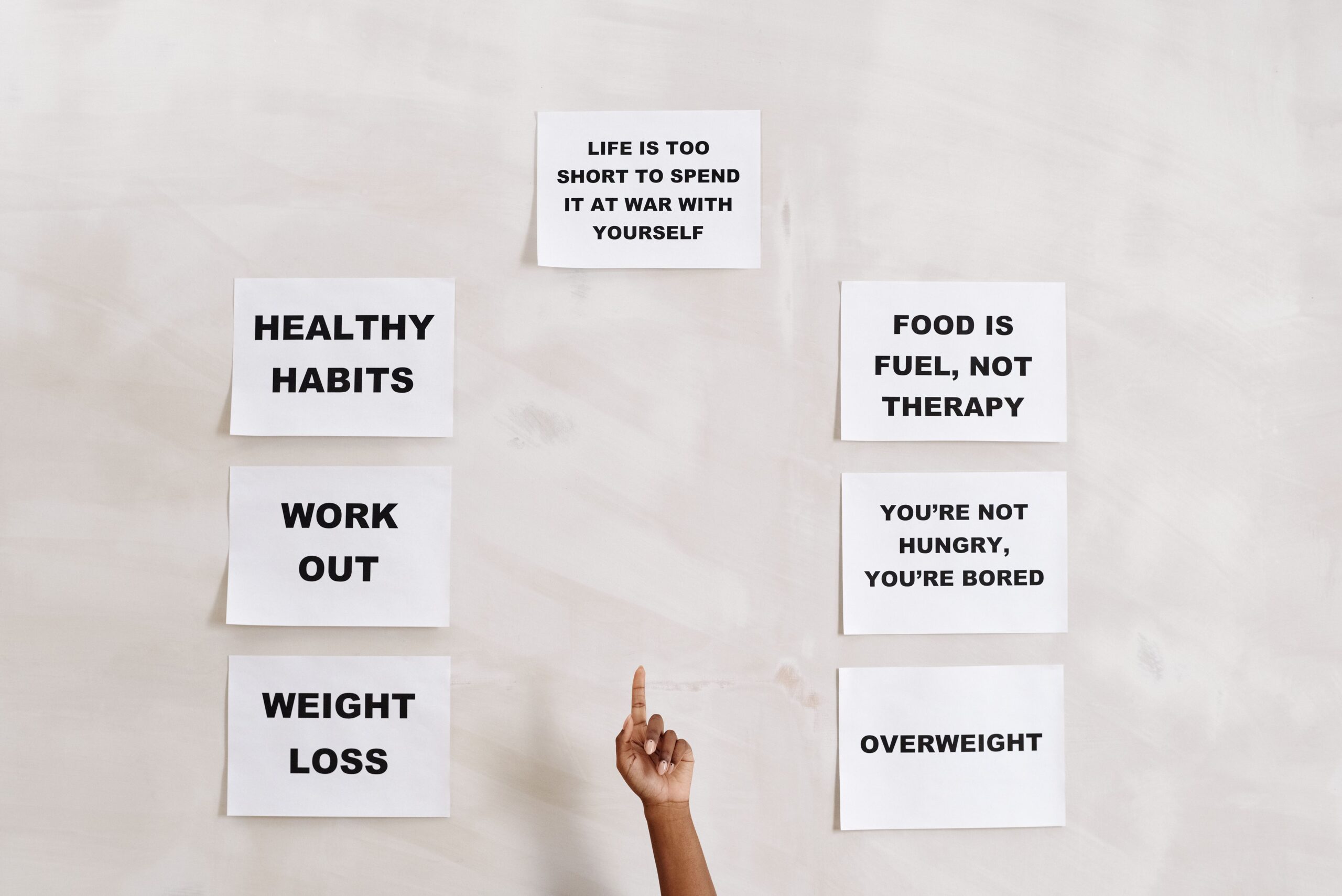
A more flexible approach can reduce the emotional significance attached to individual food choices.
Consistency Allows for Imperfect Days
Long-term progress is built across weeks, months, and years.
There will naturally be holidays, stressful days, illness, celebrations, travel, and periods when normal routines become difficult.
A sustainable plan should allow these events to occur without requiring the entire weight management journey to restart.
Practical Ways to Move Away From Perfection
Replace rigid goals with behaviours that allow some flexibility. Instead of expecting a perfect diet, focus on building balanced meals most of the time.
If a planned workout is missed, consider whether a shorter walk or another form of movement is practical rather than abandoning activity entirely.
Most importantly, avoid compensating for perceived mistakes through severe food restriction.
Telehealth and Local Care Options
NuYu Medical offers personalised weight management consultations at our Southport clinic, supporting patients across the Gold Coast and Surfers Paradise, as well as telehealth services throughout Australia.
Ongoing care can help patients develop realistic strategies that continue to work during both predictable and challenging periods.