Why Cravings Can Disrupt Weight Loss
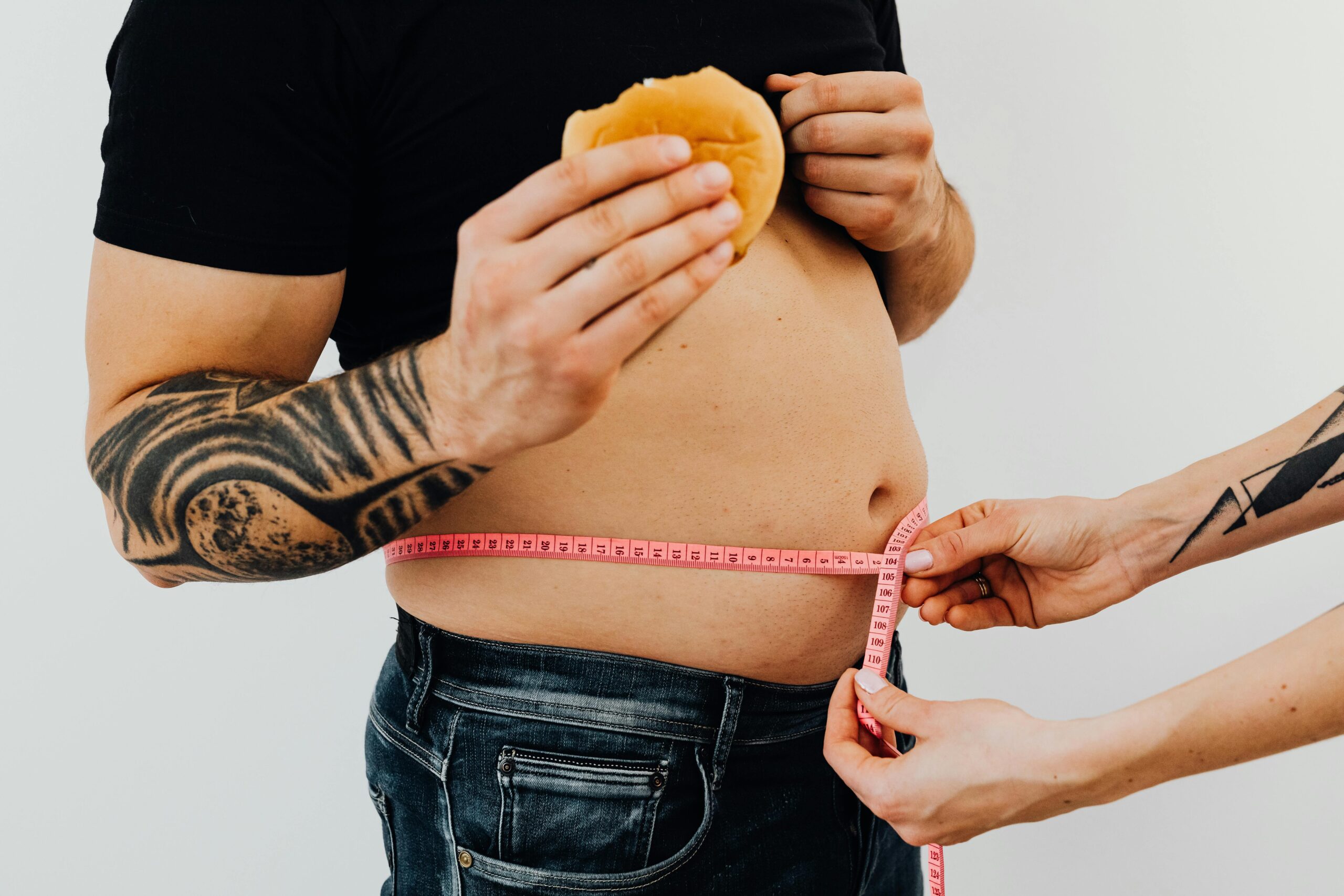
Cravings are one of the most common challenges people face during a weight loss journey. Unlike hunger, which is a physical need for energy, cravings are often triggered by emotions, stress, or environmental cues. Left unmanaged, cravings can derail progress and make it harder to achieve long-term results. At NuYu Medical on the Gold Coast, our doctors and dietitians take an evidence-based approach to help patients understand and manage cravings as part of safe weight management.
The Science Behind Cravings
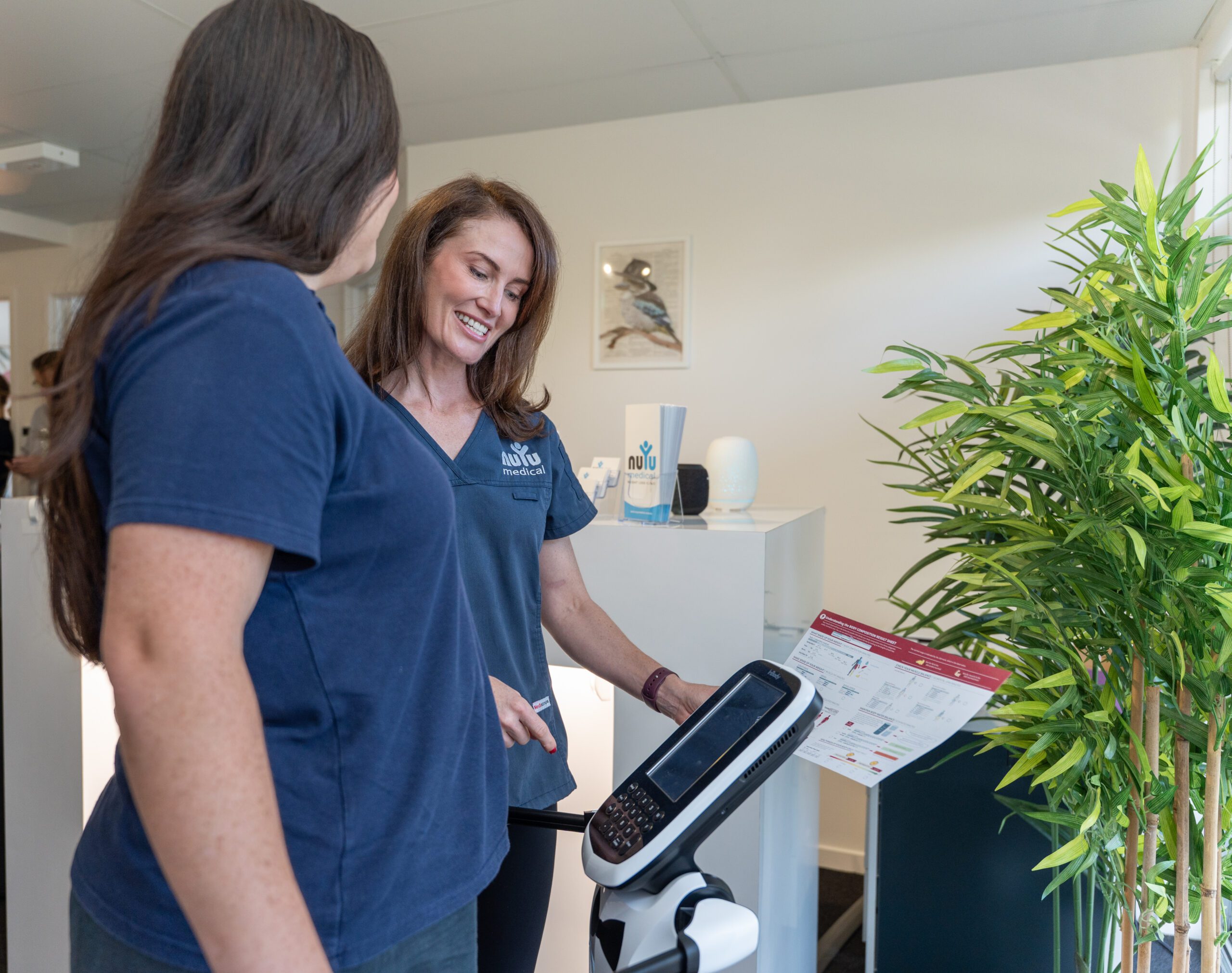
Cravings are influenced by brain chemistry, particularly dopamine pathways associated with reward. Foods high in sugar, fat, and salt stimulate these pathways, reinforcing the desire to consume them again. During weight loss assessments, NuYu Medical experts identify individual triggers and provide tailored strategies to reduce the impact of cravings. This holistic approach helps patients feel more in control and confident in their progress.
Tailored Medical Weight Loss Treatments for Cravings
Every patient’s experience with cravings is unique, which is why one-size-fits-all diets rarely succeed. NuYu Medical offers tailored medical weight loss treatments that address underlying causes of cravings, whether they are linked to nutrition, hormones, or lifestyle habits. Options may include dietary consultations, prescription weight loss medications, or behavioural support. By targeting the root cause, these treatments give patients the tools they need to stay on track.
Book your appointment today for a comprehensive weight loss assessment with our doctors in Southport, Surfers Paradise, and across Queensland.
Nutrition Strategies That Reduce Cravings
Dietitians at NuYu Medical focus on practical nutrition strategies to help patients feel satisfied and less prone to cravings. These include:
- Building meals around protein and fibre for longer-lasting fullness
- Planning balanced snacks to prevent blood sugar dips
- Reducing reliance on highly processed foods that drive cravings
- Hydration strategies, since dehydration can often feel like hunger
With the right nutrition, patients can experience fewer cravings and more consistent progress.
Lifestyle and Behavioural Approaches
Lifestyle factors such as sleep, stress, and activity levels also influence cravings. Poor sleep increases the desire for high-calorie foods, while stress can lead to emotional eating. Doctors and dietitians at NuYu Medical provide tools for stress management, structured meal planning, and activity recommendations that reduce the frequency and intensity of cravings.
Support Services for Accountability
Managing cravings is easier with structured support. NuYu Medical provides ongoing consultations, telehealth options, and progress tracking to help patients stay accountable. These support services ensure patients feel guided every step of the way and can make adjustments as needed.
Local and Accessible Care
NuYu Medical offers in-clinic appointments across Gold Coast, including Southport and Surfers Paradise, as well as telehealth consultations for patients across Queensland. Consultation fees are transparent, and patients can access both in-person and online support tailored to their needs.