When the Injection Feels Like the Whole Answer
Many patients arrive at the clinic having already done their research. They have read about semaglutide and tirzepatide and seen the clinical trial headlines reporting average weight losses of 15 to 20 per cent of body weight. The expectation is understandable: a once-weekly injection that quiets food noise, reduces appetite, and finally tips the scales in the right direction.
For many, the experience is remarkable the constant background hum of food preoccupation that has dominated their mental space for years begins to fade. But here is what the headlines often leave out: the injection is not the programme. It is one component of a comprehensive, medically supervised treatment plan, and the patients who achieve the best long-term outcomes understand that sustainable weight loss requires a foundation that extends well beyond the prescription.
What GLP-1 Medications Actually Do and What They Do Not Do
To understand why the injection alone is insufficient, it helps to understand what these medications are doing inside the body. Semaglutide and tirzepatide belong to a class of drugs known as incretin mimetics. They replicate the action of GLP-1, a hormone released by the gut after eating that signals the pancreas to produce insulin, the liver to reduce glucose output, and the brain that the body has received enough nourishment. Tirzepatide also targets GIP receptors, which appears to enhance the metabolic effects. The result is reduced hunger, slower digestion, and improved blood sugar control.
What these medications do not do is teach the body how to maintain a lower weight without pharmacological support. They do not address the behavioural patterns, nutritional knowledge gaps, or metabolic adaptations that contributed to weight gain. They do not preserve muscle mass during rapid weight loss — a critical factor for long-term metabolic health. They do not automatically reshape food preferences or build the habits that sustain results when the medication is reduced or discontinued.
This is not a limitation of the medications themselves. It is simply that no single drug however effective can replace the full scope of what a medically supervised weight loss programme provides. Clinical guidelines from the Endocrine Society of Australia and international bodies consistently emphasise that pharmacotherapy for obesity should be delivered as part of a comprehensive care model that includes dietary intervention, physical activity support, and behavioural strategies.
Why Taking the Medication Without Support Often Falls Short
It is a familiar pattern in weight management: a new treatment arrives, early results look promising, and the public narrative rapidly oversimplifies the reality. The same thing happened with bariatric surgery, with very-low-calorie diets, and with every weight loss medication that preceded the current generation. Patients were told or allowed to believe that the intervention itself was the solution. When the weight returned, the patient blamed themselves, never realising that the system had failed them, not the other way around.
Without adequate nutritional guidance, patients often undereat protein, leading to disproportionate muscle loss that lowers resting metabolic rate. Without body composition monitoring, they may see the scale dropping and assume everything is working, unaware that a significant portion of the loss is lean tissue rather than fat. Without behavioural support, the return of appetite during dose adjustment can feel overwhelming, because the psychological skills to manage hunger cues were never developed while the medication was doing that work. These are documented patterns that emerge when pharmacotherapy is delivered in isolation.
What a Comprehensive GLP-1 Programme at NuYu Medical Involves
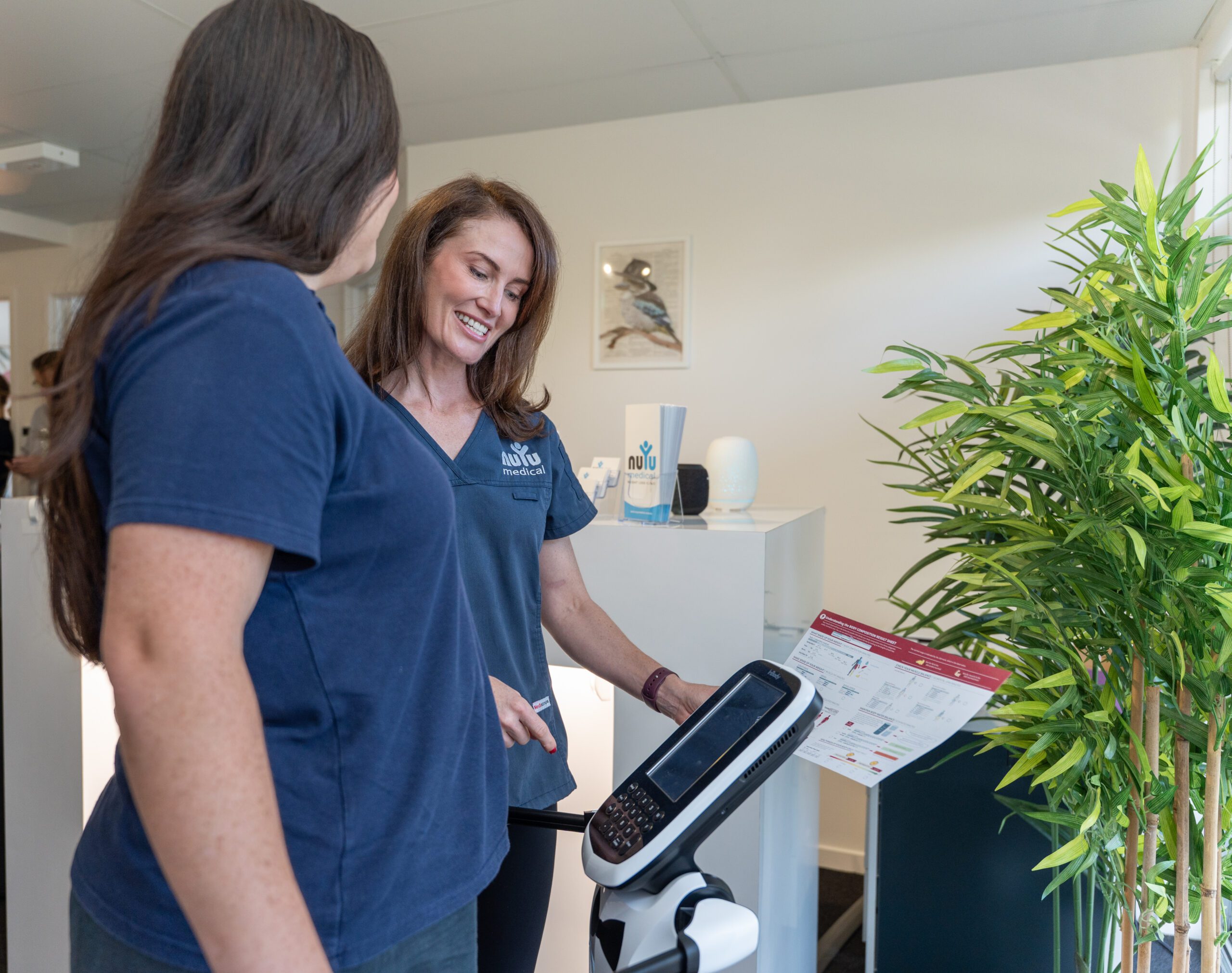
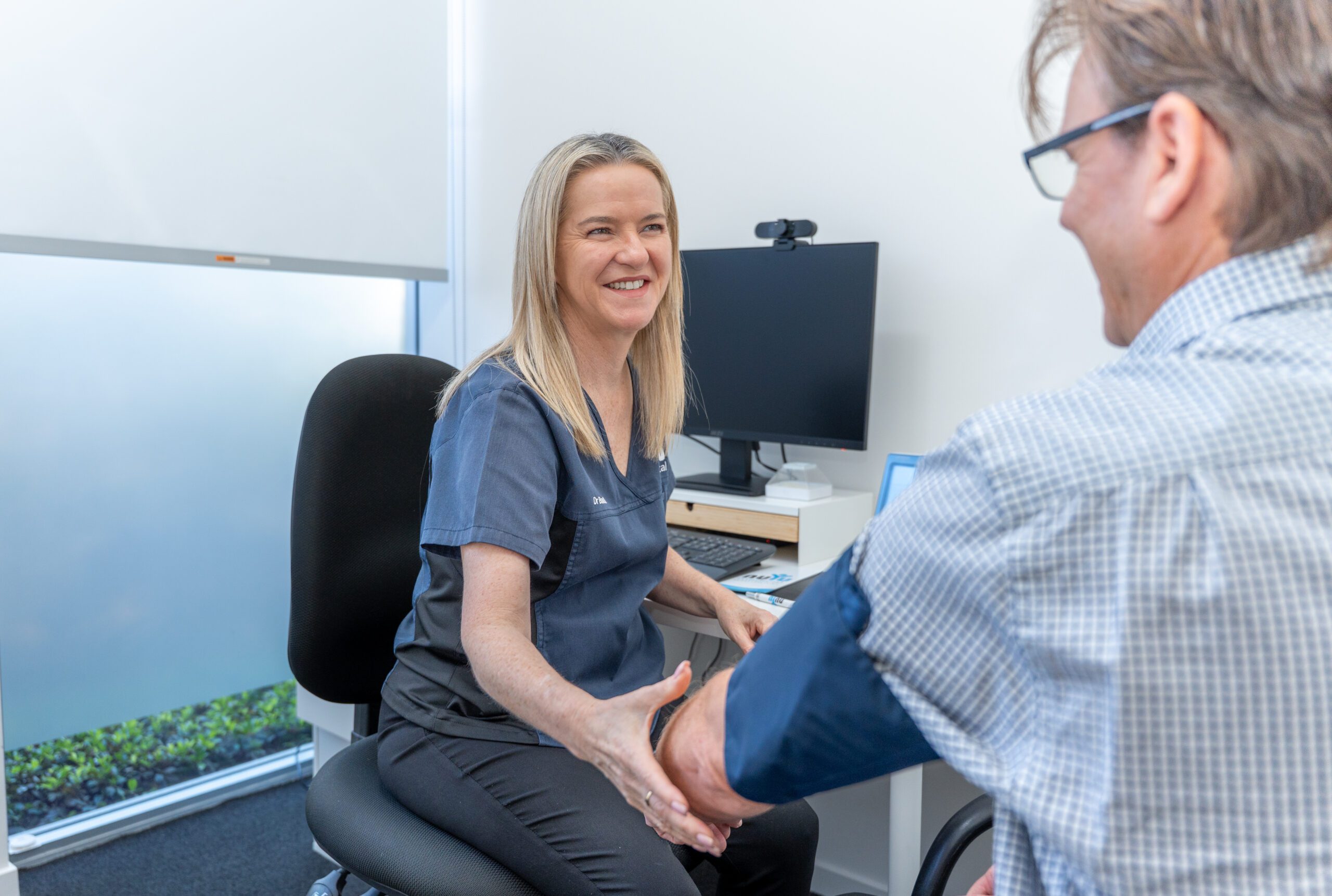
At NuYu Medical, the approach to GLP-1 treatment begins well before the first prescription is written. It starts with a thorough medical assessment that includes blood pathology, body composition analysis, and a detailed clinical history. These baseline measurements are not optional extras they are the foundation upon which every subsequent decision is built. Understanding a patient’s metabolic starting point, including their insulin sensitivity, thyroid function, nutrient levels, and body fat distribution, allows the clinical team to tailor the treatment rather than applying a one-size-fits-all protocol.
Once the medication is initiated, regular monitoring continues throughout the programme. Body composition scans track whether weight loss is coming from fat or muscle, and nutritional guidance is adjusted accordingly. Blood tests are repeated at intervals to ensure that metabolic markers are improving and that no deficiencies are developing. Dietitian support helps patients optimise their protein intake, fibre consumption, and overall nutritional quality not through rigid meal plans but through practical, sustainable education. This is what integrated care looks like: medication working in concert with medical oversight, nutritional expertise, and behavioural support, each reinforcing the others.
Practical Strategies Within a GLP-1 Programme
The first practical priority during GLP-1 treatment is protein intake. Because appetite is significantly reduced, patients must be intentional about consuming adequate protein at every meal to preserve muscle mass. A general target of 1.2 to 1.6 grams of protein per kilogram of body weight per day is commonly recommended during active weight loss, spread across three to four eating occasions rather than concentrated in one meal.
Resistance exercise is the second pillar. Even two sessions per week of strength training using weights, resistance bands, or bodyweight exercises can make a meaningful difference in preserving lean tissue during weight loss. When combined with adequate protein, resistance training is one of the most powerful tools available to protect metabolic rate during pharmacotherapy.
Telehealth and Local Care Options
NuYu Medical offers in-person consultations at the Southport clinic, supporting patients across the Gold Coast and Surfers Paradise, as well as telehealth services for individuals throughout Australia. Consultation fees are provided upfront, ensuring transparency and accessibility at every stage of care.
To begin a comprehensive GLP-1 weight loss programme, book an appointment online at nuyumedical.com.au/book-appointment/