
The Chapter That Comes After
The surgery went well. The weight came off in the months that followed — quickly at first, then steadily. For a time, the results felt transformative. But somewhere in the second or third year, things became more complicated. Hunger returned. Old habits crept back in. The scale started moving in the wrong direction, and the sense of having found a permanent solution began to erode.
This experience is common among bariatric surgery patients, and it reflects a fundamental truth about surgical weight loss: the procedure changes the anatomy, but it does not change the underlying metabolic, hormonal, and behavioural patterns that contributed to the weight gain in the first place. Post-surgical success depends on comprehensive, ongoing clinical support — and for many patients, that support is not adequately provided after the immediate recovery period ends.
Understanding what thorough aftercare looks like, and why it matters as much as the surgery itself, is essential for anyone who has had — or is considering — bariatric surgery.
What the Body Does in the Years After Surgery
Bariatric surgery produces its most significant results in the first 12 to 18 months, driven by reduced food intake, altered hormone levels — particularly reduced ghrelin — and the metabolic changes that accompany rapid weight loss. But the body is adaptive. Over time, gastric capacity may expand slightly; ghrelin levels gradually return; and the metabolic adaptations that accompany significant weight loss reduce resting energy expenditure.
Nutritional deficiencies are a persistent long-term concern. Reduced stomach acid production, altered gut anatomy, and reduced food volume all compromise absorption of key nutrients including iron, vitamin B12, vitamin D, calcium, folate, and zinc. These deficiencies develop slowly and often without obvious symptoms until they are clinically significant — at which point they may have already caused bone density loss, neurological symptoms, or chronic fatigue.
Body composition shifts are also common. Weight loss after bariatric surgery is not exclusively fat loss — without adequate protein intake and structured exercise, significant muscle mass is often lost alongside fat. This reduces metabolic rate, increases fragility, and makes weight maintenance harder over time.
The Gap in Standard Post-Surgical Follow-Up
Most hospitals and surgical centres provide structured follow-up in the immediate post-operative period — typically six weeks, three months, and six months after surgery. Beyond that, follow-up becomes less frequent and less comprehensive, often reduced to an annual appointment or abandoned entirely when patients report feeling well.
The problem is that the most challenging phase of bariatric surgery aftercare — managing adaptation, preventing nutritional deficiencies, maintaining weight loss, and addressing early regain — typically begins in year two and continues indefinitely. Patients who are no longer in active post-surgical follow-up when these challenges emerge are left to navigate them without clinical support.
Weight regain after bariatric surgery is not a surgical failure, and it is not a personal failure. It is a predictable consequence of metabolic adaptation that requires the same medical attention as any other chronic condition.
Comprehensive Aftercare at NuYu Medical
At NuYu Medical, post-bariatric support is available as a long-term clinical partnership for patients who are beyond the immediate post-operative period or who have lost contact with their original surgical team. The programme centres on the three components that matter most: nutritional monitoring, body composition tracking, and metabolic assessment.
Blood testing at regular intervals — at minimum every six months — checks the nutritional markers that bariatric surgery patients are most at risk for: iron, ferritin, vitamin B12, vitamin D, calcium, and folate. Detecting deficiency early prevents the consequences of prolonged inadequacy. Where deficiencies are found, supplement regimens are adjusted and dietary strategies reviewed.
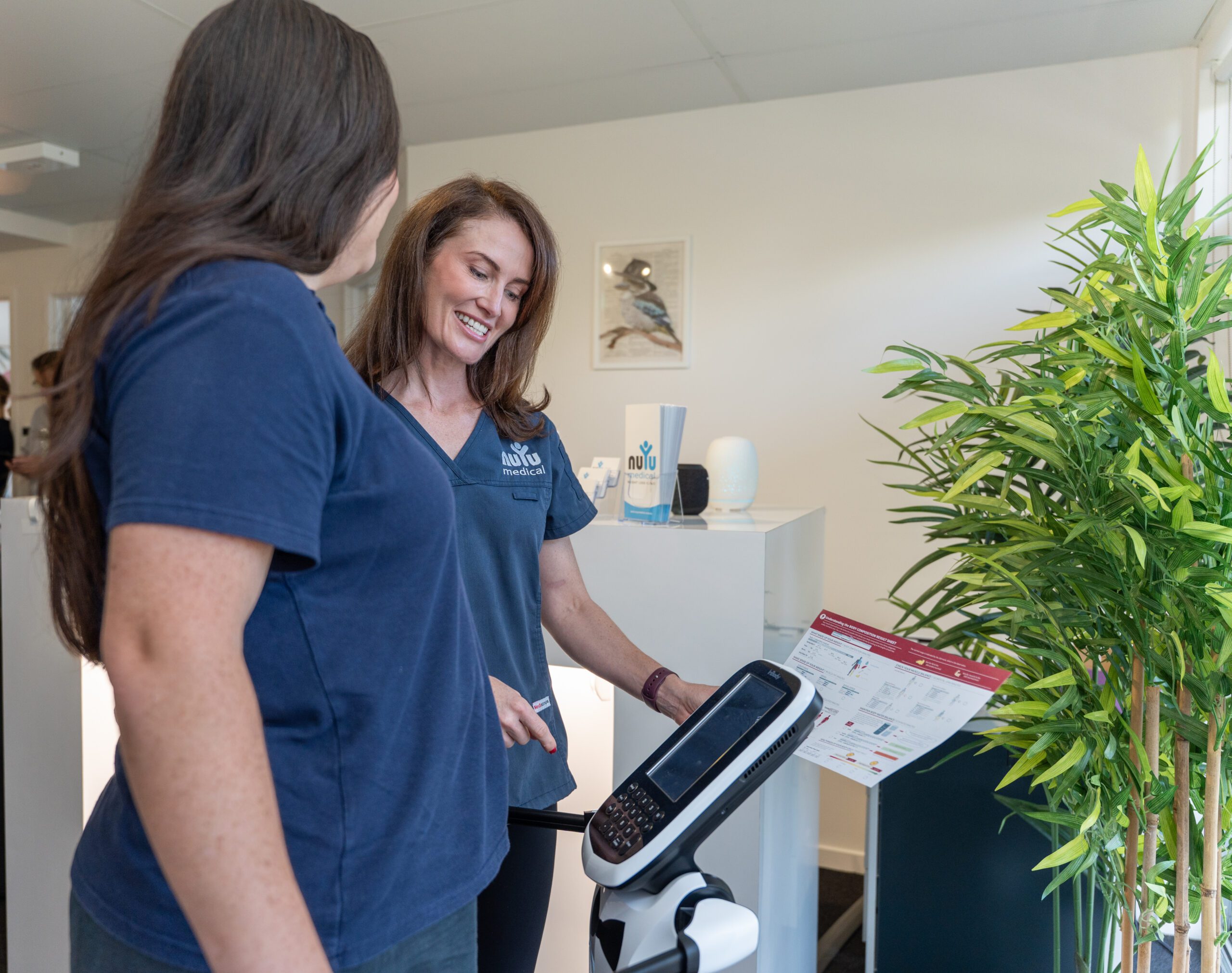
Body composition scans provide objective data on the ratio of muscle to fat — allowing the clinical team to identify whether weight changes are coming from healthy fat loss or problematic muscle loss. Where muscle depletion is occurring, protein intake and exercise programming are adjusted accordingly. Where weight regain is detected early, the underlying causes are investigated and addressed before significant regain has occurred.
What Good Aftercare Looks Like in Practice
Schedule blood tests at least twice yearly, specifically covering the nutritional markers most commonly depleted after bariatric surgery. Do not wait for symptoms — by the time deficiency produces noticeable effects, significant depletion has already occurred.
Maintain an adequate protein intake throughout the post-surgical years. The target of 60 to 80 grams per day that is typically recommended immediately after surgery remains relevant long-term. Protein preserves muscle mass, supports immune function, and promotes satiety in the context of reduced stomach volume.
If the scale is trending upward, seek support without delay. Small regains of five to ten kilograms are significantly easier to address than larger regains, and the medical options available — including GLP-1 medications where appropriate — are most effective when introduced early.
Telehealth and Local Care Options
NuYu Medical offers in-person consultations at the Southport clinic, supporting patients across the Gold Coast and Surfers Paradise, as well as telehealth services for individuals throughout Australia. Consultation fees are provided upfront, ensuring transparency and accessibility at every stage of care.
To access long-term bariatric aftercare and support, book an appointment online at nuyumedical.com.au/book-appointment/