
More Exercise Is Not Always Better
When weight loss becomes the goal, it can be tempting to exercise as often and as intensely as possible. However, physical activity places stress on the body, and adequate recovery allows the body to adapt to that stress.
Without sufficient recovery, persistent fatigue, soreness, reduced exercise performance, and disrupted sleep can make healthy routines more difficult to maintain.
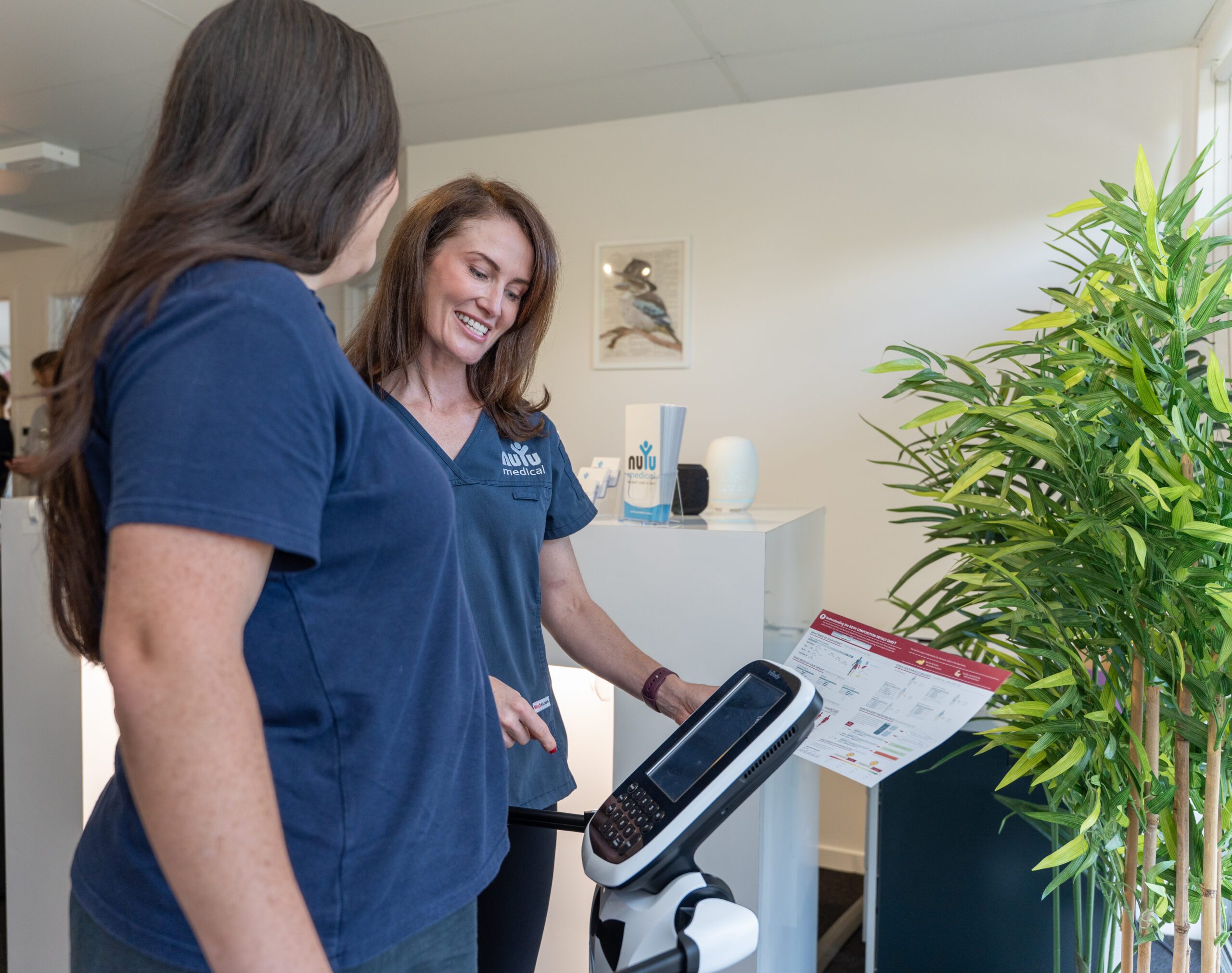
At NuYu Medical, movement is considered alongside recovery, nutrition, sleep, and overall health.
Your Body Adapts During Recovery
Exercise provides a stimulus, but many physical adaptations occur during the recovery period.
After resistance training, muscles require time and appropriate nutrition to repair. Recovery also allows energy stores to be replenished and prepares the body for future physical activity.
Consistently training without sufficient recovery may reduce performance rather than improve it.
Recovery Supports Consistency
A demanding exercise plan may produce enthusiasm initially but become difficult to sustain when fatigue accumulates.
Persistent exhaustion can reduce spontaneous daily movement and make future workouts feel increasingly difficult. It may also affect mood, appetite, and motivation.
An appropriate balance between activity and recovery can make regular exercise more sustainable over months and years.
Sleep Is a Major Part of Recovery
Quality sleep supports physical and mental recovery. It also plays an important role in appetite regulation, hormonal function, and energy levels.
Repeatedly sacrificing sleep to fit in additional exercise may undermine other aspects of weight management.
The goal is to create a routine in which movement and recovery support each other rather than compete.
Practical Strategies for Better Recovery
Alternating more demanding sessions with lighter activity can provide the body with time to recover. Gentle walking or mobility work may be appropriate on lower-intensity days.
Adequate nutrition, protein, hydration, and sleep also support recovery. Persistent pain, unusual fatigue, or a significant decline in exercise capacity should be discussed with an appropriate healthcare professional.
Telehealth and Local Care Options
NuYu Medical provides personalised weight management consultations at our Southport clinic and via telehealth throughout Australia.
Exercise and recovery strategies can be tailored according to medical history, fitness, lifestyle, nutrition, and individual weight management goals.