
When the Results Start to Slip
The first year after bariatric surgery is often the best year of a patient’s life. The weight comes off steadily, energy improves, health markers move in the right direction, and the future finally looks different. Then, somewhere in the second or third year, a shift occurs: the scale stops falling, plateaus, and slowly begins to creep upward again. For patients who went through surgery believing it was the definitive solution, this is not just discouraging — it is frightening.
What many patients do not know is that weight regain after bariatric surgery is a well-documented phenomenon, not a personal failure. Research on surgical outcomes shows that a degree of weight regain in the years following surgery is common, and that the difference between patients who regain significantly and those who maintain their results is rarely luck. It is aftercare. The surgery changes the stomach; it is the ongoing medical programme that changes the outcome.
Why Regain Happens Biologically
Weight regain after bariatric surgery is driven by several mechanisms working together. The first is physiological adaptation. Surgery reduces stomach capacity and alters gut hormones in ways that produce dramatic early weight loss, but the body adapts over time: hormonal signals of hunger strengthen, gastric emptying may speed up, and the metabolic drive toward the body’s previous set point reasserts itself. The powerful biology that defended the old weight is still there, waiting.
The second mechanism is behavioural drift. The early months after surgery are structured — regular appointments, dietary guidelines, close monitoring. As the intensity of follow-up fades, eating habits can gradually slip: portions grow, grazing returns, liquid calories creep in, and nutrient-poor foods edge out protein. The anatomical restriction of surgery is a powerful tool, but it is possible to eat around it — and the stretching of a surgical pouch or sleeve with consistently high volumes of food reduces its restrictive effect over time.
The third mechanism is the loss of the support structure itself. Weight loss surgery does not remove the hormonal environment that drove weight gain, the stress responses that trigger eating, or the deeply ingrained habits of a lifetime. When the medical scaffolding is withdrawn, those underlying patterns re-emerge. Regain is not evidence that surgery failed; it is evidence that the underlying condition — the same complex metabolic and behavioural condition surgery was treating — has resumed its work.
Why the Operation Is Not the End of the Treatment
Many patients approach bariatric surgery as the endpoint of their weight loss efforts — the final solution after years of struggle. Clinically, it is better understood as the beginning of a new phase of treatment. The surgery creates a window of opportunity in which the body responds unusually well to changes, and what happens inside that window determines the long-term outcome. A patient who uses the first year to rebuild eating patterns, movement habits, and metabolic health is in a fundamentally different position from one who expects the surgery to do the work indefinitely.
The evidence supports this view. Long-term studies consistently show that patients who engage with structured aftercare — regular reviews, nutritional follow-up, and ongoing medical monitoring — maintain substantially more of their weight loss than those who are discharged early. The surgery and the programme are not competing approaches; they are two phases of a single treatment.
A Structured Aftercare Programme After Surgery
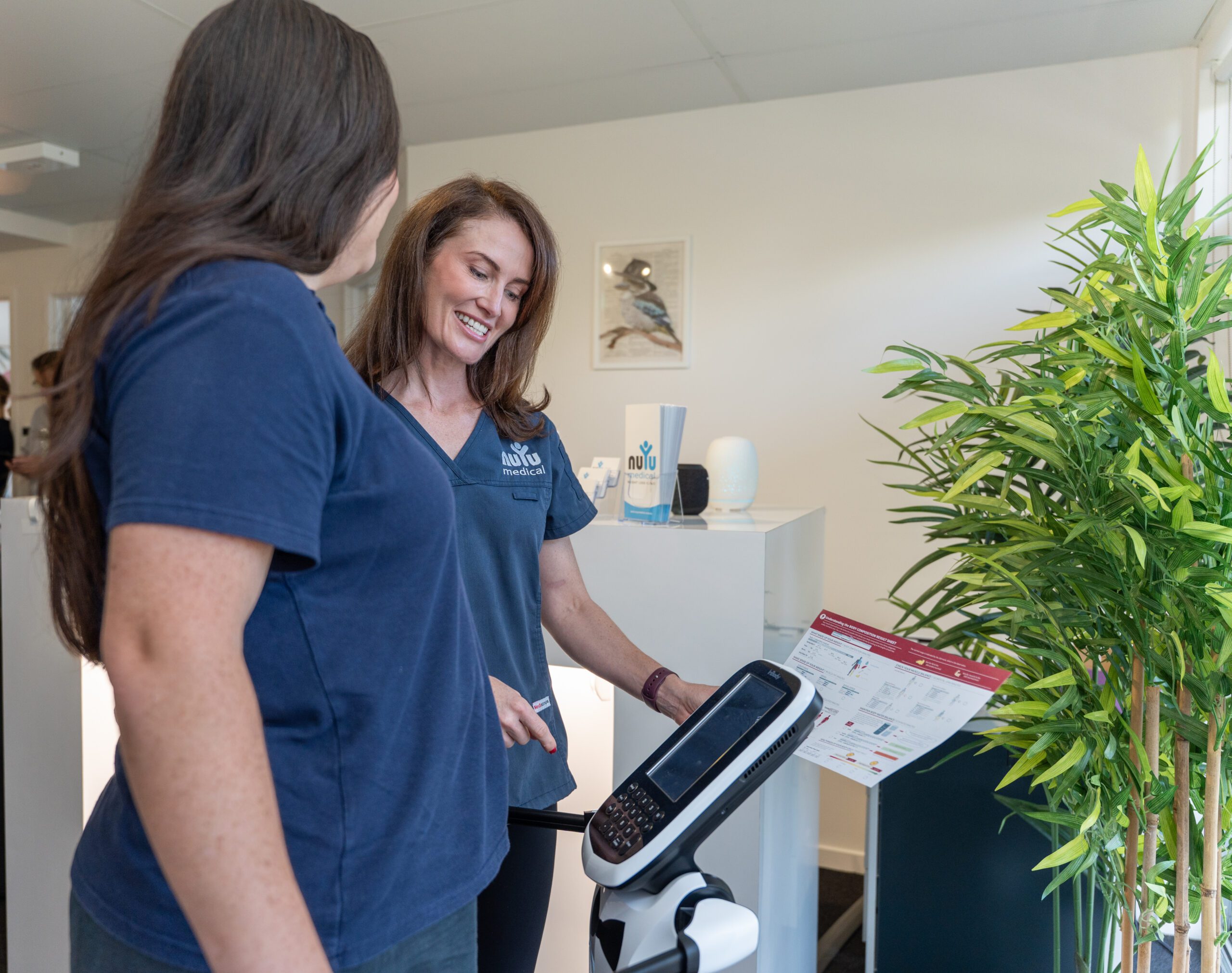
At NuYu Medical, bariatric aftercare is treated as a core medical service rather than an optional extra. The programme includes regular review appointments with the medical team, body composition analysis to track whether any weight change is fat or lean tissue, and blood testing to monitor the nutrient levels that surgery can compromise. This monitoring catches problems early, when they are easy to correct, rather than after they have compounded.
Nutritional support is provided by the clinic’s dietitian, who works with patients on the practical realities of life after surgery: adequate protein intake within a restricted volume, vitamin and mineral supplementation, managing the texture changes of early recovery, and rebuilding a healthy relationship with food that does not depend on the surgical restriction alone. The programme also addresses the emotional dimension of post-surgical life, which changes in ways patients rarely anticipate. The goal is a patient who is supported through every phase — not one who is handed a surgery and left to manage the aftermath alone.
Practical Strategies for Protecting Long-Term Results
The first priority in the years after surgery is protein. Because the stomach holds less, every meal must earn its place, and prioritising protein at each meal protects muscle mass, supports satiety, and reduces the space available for less nutritious options. A structured approach to meals — three balanced meals, no grazing, no liquid calories — protects the restrictive benefit of the surgery.
The second priority is maintaining the follow-up. Patients who attend regular reviews, repeat their blood tests on schedule, and keep their body composition data current are consistently the patients who correct small problems before they become big ones. The third is rebuilding movement around strength: the muscle lost during rapid surgical weight loss must be rebuilt deliberately, or the metabolic rate drops and maintenance becomes harder. These habits, sustained over years, are the difference between a good outcome and a great one.
Telehealth and Local Care Options
NuYu Medical offers in-person consultations at the Southport clinic, supporting patients across the Gold Coast and Surfers Paradise, as well as telehealth services for individuals throughout Australia. Consultation fees are provided upfront, ensuring transparency and accessibility at every stage of care.
To access bariatric surgery aftercare and weight maintenance support, book an appointment online at nuyumedical.com.au/book-appointment/