
When the Rules of Eating Have Changed Completely
Bariatric surgery transforms the digestive anatomy in ways that make eating fundamentally different from anything a person has experienced before. The stomach that once comfortably accommodated a full meal now holds a fraction of that volume. Hormonal signalling that regulated hunger and satiety has been altered. Foods tolerated without issue for decades may suddenly cause discomfort, nausea, or dumping syndrome. The surgery itself is only the beginning learning to nourish a changed body is a journey that unfolds over months and years.
Many patients describe a sense of being unmoored in the early post-operative period. Every meal becomes a deliberate act of attention: how much, how quickly, how thoroughly chewed, how well tolerated. The mental load of this constant vigilance can be exhausting, particularly during the first three to six months. On top of this, the body’s nutrient requirements remain significant in some cases higher than before surgery while the capacity to consume food has been dramatically reduced. Patients who receive structured nutritional guidance during the months and years following surgery have significantly better long-term outcomes.
What the Body Needs and Why Supplementation Is Non-Negotiable
After bariatric surgery, nutrient density becomes the organising principle of every meal. Protein is the highest priority, supporting wound healing and preserving lean muscle mass during rapid weight loss. Guidelines from the Australian and New Zealand Metabolic and Obesity Surgery Society recommend a minimum of sixty grams of protein daily. Achieving this within a gastric volume that may initially hold only sixty to ninety millilitres per meal requires meticulous planning and, often, protein supplements during the early months.
Micronutrient supplementation is not optional, it is lifelong care. The anatomical changes that reduce calorie absorption also reduce absorption of vitamins and minerals, particularly iron, calcium, vitamin B12, vitamin D, and folate. Iron deficiency is especially common because stomach acid, reduced after many procedures, is required to convert dietary iron into its absorbable form. Vitamin B12 requires intrinsic factor produced by the stomach lining; when a portion of the stomach has been removed, B12 absorption can be permanently compromised. Without consistent, high-quality supplementation and regular blood monitoring, deficiencies can develop silently and cause fatigue, cognitive impairment, anaemia, and peripheral neuropathy.
Why Going It Alone After Surgery Is Risky
The post-operative period is often accompanied by a honeymoon phase in which weight loss feels effortless. Appetite is suppressed, the scale moves rapidly, and motivation remains strong. This period can create a false sense of security, nutritional consequences of inadequate intake may not appear for months or years, by which time deficiencies are well established.
Many patients find that hospital dietary advice was necessarily general and focused on the immediate post-operative period. As months pass and the diet progresses from liquids to regular texture, complexity increases. Questions arise about which foods to reintroduce, how to manage plateaus, and how to navigate social eating when dietary needs differ from everyone else at the table. Without ongoing professional support, small compromises can accumulate into patterns that undermine surgical outcomes.
A Structured Approach to Post-Surgical Nutrition
At NuYu Medical, bariatric surgery aftercare is approached with the understanding that the operation is one milestone in a lifelong process. Patients receive individualised nutritional plans developed with a clinical dietitian who understands the unique requirements of a post-surgical digestive system. These plans account for the stage of recovery, the specific procedure performed, and the patient’s individual tolerance patterns.
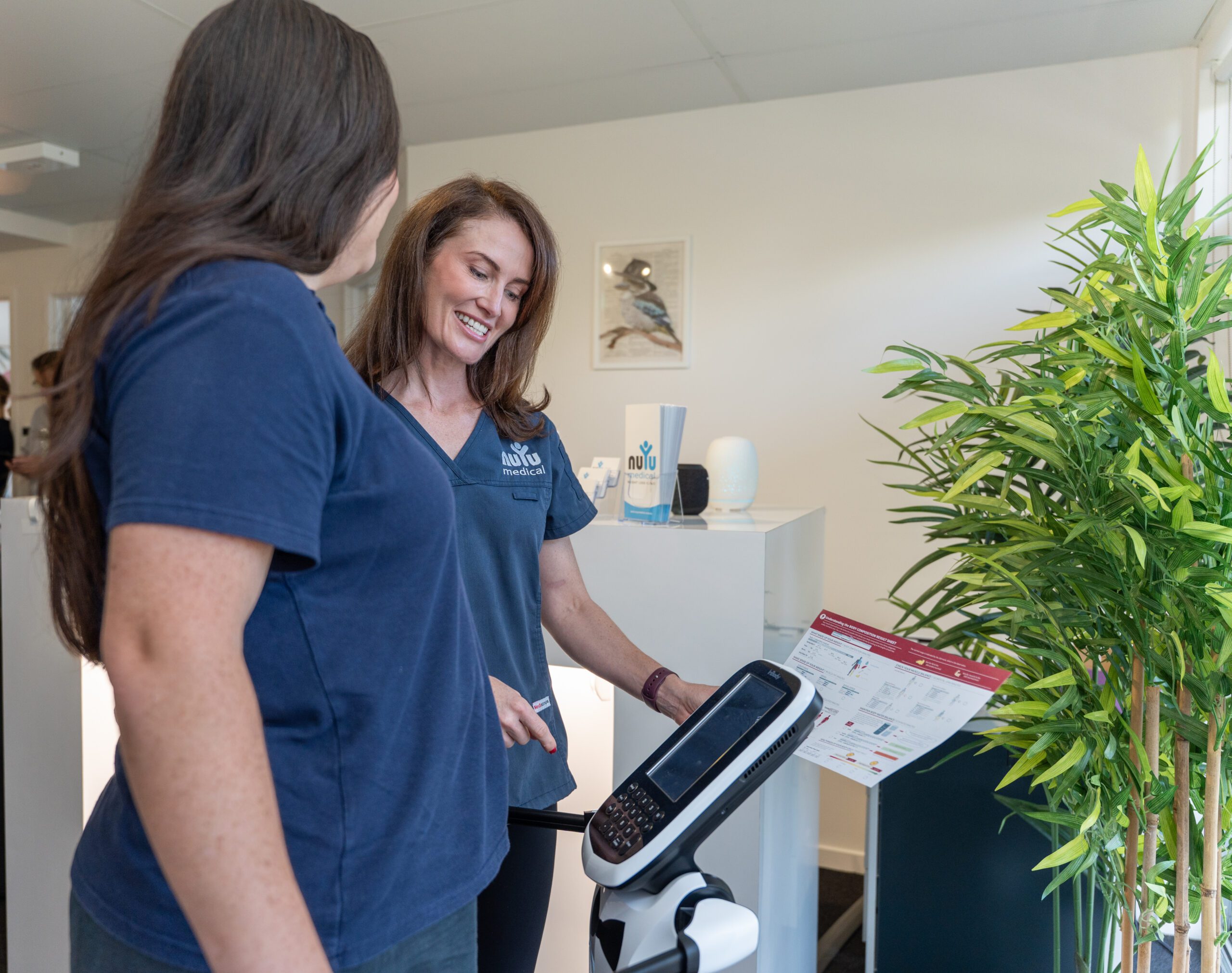
Regular pathology testing monitors for nutritional deficiencies, iron studies, vitamin B12, vitamin D, folate, calcium, and zinc are tracked over time, allowing deficiencies to be identified and corrected before they cause symptoms. Body composition scans provide data about whether weight loss is coming from fat mass rather than muscle, enabling dietary adjustments that protect lean tissue and metabolic rate over the long term.
Practical Nutritional Strategies for the Post-Bariatric Patient
Protein should be consumed first at every meal to ensure limited stomach capacity is used for the most essential macronutrient. Meals should be eaten slowly over twenty to thirty minutes and chewed thoroughly. Drinking fluids should be separated from meals by at least thirty minutes on either side, because consuming liquids with food can flush stomach contents through too quickly, reducing nutrient absorption and triggering dumping symptoms.
Supplements must be taken consistently and in absorbable forms sublingual or chewable B12, iron that minimises gastrointestinal irritation, and calcium citrate rather than calcium carbonate. Patients should have blood levels checked at least annually, and more frequently during the first two years, to ensure supplementation remains adequate. Engaging with a dietitian who specialises in bariatric nutrition turns these recommendations from abstract advice into practical daily habits.
Telehealth and Local Care Options
NuYu Medical offers in-person consultations at the Southport clinic, supporting patients across the Gold Coast and Surfers Paradise, as well as telehealth services for individuals throughout Australia. Consultation fees are provided upfront, ensuring transparency and accessibility at every stage of care.
To access structured nutritional support after bariatric surgery, book an appointment online at nuyumedical.com.au/book-appointment/