
When You Have Been Through Every Programme and Still Feel Stuck
Most people who seek medical help for weight management are not doing so on a whim. They have cycled through commercial programmes, tracked points on apps, counted calories, cut carbohydrates, tried intermittent fasting, joined gyms, and perhaps even seen results, temporarily, before watching the weight return. The pattern is so common that it can begin to feel like a personal failure, as though a lack of discipline is the problem. The reality is that the programmes were not designed to address the complex physiology that makes sustained weight loss so difficult.
What distinguishes a doctor-led weight loss programme is not the presence of a prescription pad but the depth of assessment that precedes any treatment decision. It is the difference between being handed a map and being given a thorough diagnostic investigation before anyone suggests a route.
What Happens in the First Appointment, and Why It Takes Time
A medically supervised weight loss programme begins not with a meal plan or a medication but with a comprehensive clinical history. The doctor wants to understand the full trajectory: when weight became a concern, what has been tried, what worked temporarily, what did not, and what patterns have repeated. This history includes not just diet and exercise but sleep quality, stress levels, menstrual history, medications, surgical history, and family history of metabolic conditions. The conversation often surfaces clues that a generic programme would never uncover, a period of rapid weight gain after starting a particular medication, a thyroid condition never fully treated, a pattern of evening cravings that suggests blood sugar dysregulation.
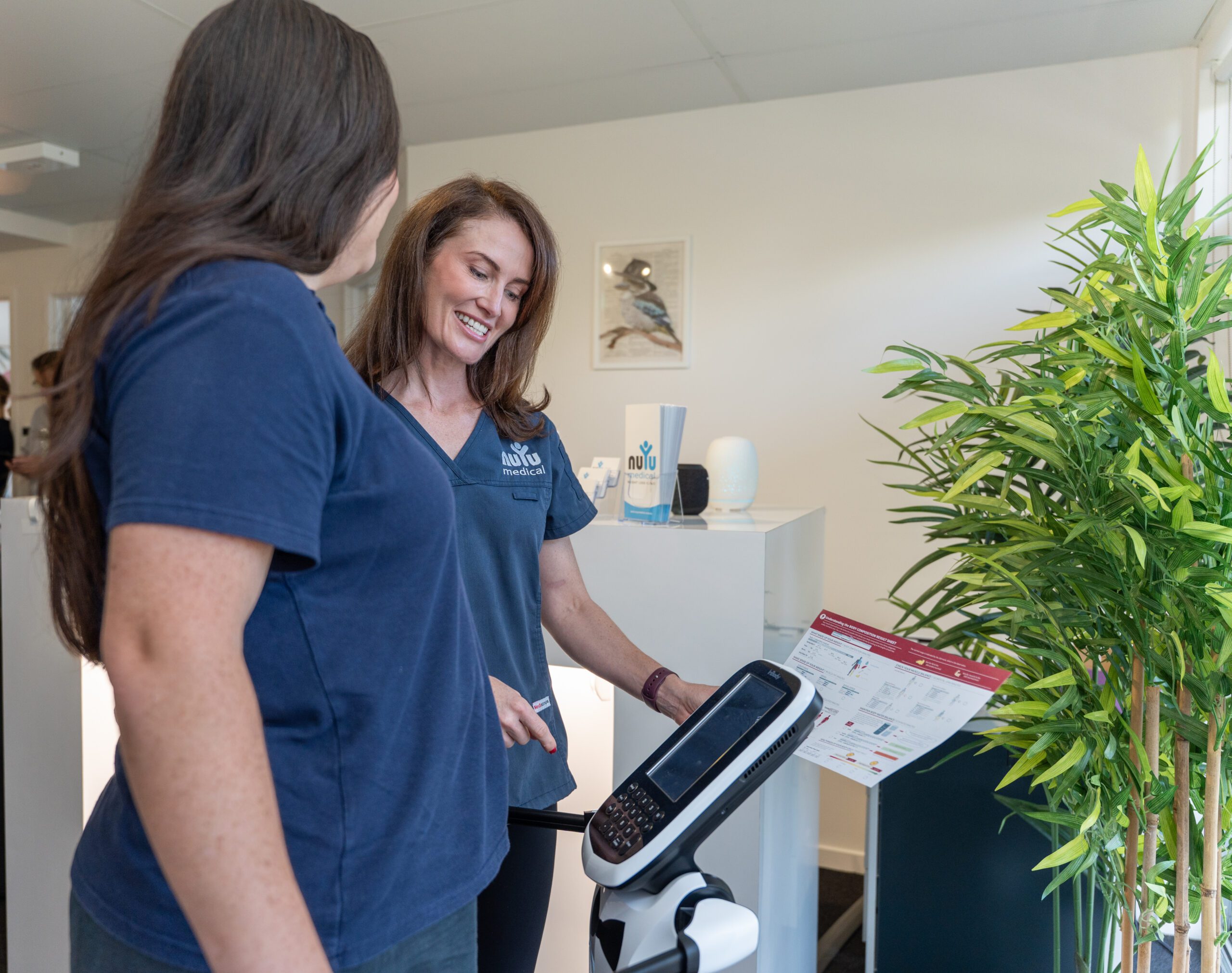
The physical examination and investigative testing that follow are equally thorough. Body composition analysis reveals the proportions of fat mass, lean mass, and visceral adipose tissue. Blood testing screens for thyroid dysfunction, insulin resistance, hormonal imbalances, nutrient deficiencies, inflammatory markers, and liver function. At NuYu Medical, this initial phase is treated with the seriousness it deserves because the information it yields determines everything that follows. A patient whose primary barrier is insulin resistance requires a different therapeutic approach than one whose difficulty stems from undiagnosed hypothyroidism or the metabolic aftermath of bariatric surgery.
Why Standard Programmes Miss What Medicine Can See
Commercial weight loss programmes are designed to work for the average person in the average situation, and they often do, for a while. What they cannot do is account for the specific physiology of the individual standing in front of them. They cannot test for polycystic ovary syndrome, adjust treatment for menopausal metabolic changes, identify which nutrients are deficient, or recognise when a medication the patient has been taking for years is contributing to weight gain. When the protocol does not match the underlying biology, the patient, not the programme is assumed to be at fault.
This structural limitation explains why so many people arrive at medical weight loss clinics carrying a heavy burden of self-blame. They followed the rules. But the programme was not built for their body. A clinical approach replaces standardised assumptions with individualised data, and that shift from guessing to knowing is the single most important difference.
What a Clinical Programme Actually Delivers Over Time
In a clinical programme, a treatment plan emerges from the assessment rather than being applied to it. If insulin resistance is identified, the approach may include a GLP-1 receptor agonist such as semaglutide or tirzepatide, alongside dietary strategies that reduce glycaemic load. Nutritional deficiencies are corrected, because the body cannot sustain metabolic health without adequate iron, vitamin D, B vitamins, and magnesium. Body composition is monitored at regular intervals, ensuring weight loss represents fat reduction rather than lean tissue depletion.
Ongoing medical supervision transforms a treatment into a programme. Appointments are scheduled at planned intervals that allow the doctor to assess progress, adjust medications, and respond to plateaus before they become demoralising stalls. The dietitian at NuYu Medical, Brianna Fear-Keen provides this support works alongside the medical team to translate clinical goals into practical, sustainable eating patterns. The programme continues into maintenance, because the physiology that drove weight gain does not disappear when the weight does.
Practical Strategies for Beginning the Process
The first step is simply making the initial appointment and arriving with an open mind. It helps to bring a record of previous weight loss attempts, what was tried, what happened, and how the body responded as well as a list of current medications and any relevant family history. There is no need to have achieved anything before the first visit; the programme starts where the patient is.
Once the plan is in place, consistency with follow-up appointments is essential. The body changes during treatment, and the plan must change with it. Skipping reviews can allow emerging issues to go unnoticed until they become significant. Equally, attending reviews when progress has stalled is critical, because plateaus are clinical problems to be solved rather than personal shortcomings to be endured.
Telehealth and Local Care Options
NuYu Medical offers in-person consultations at the Southport clinic, supporting patients across the Gold Coast and Surfers Paradise, as well as telehealth services for individuals throughout Australia. Consultation fees are provided upfront, ensuring transparency and accessibility at every stage of care.
To begin a doctor-led weight loss programme, book an appointment online at nuyumedical.com.au/book-appointment/