When the Pressure to Bounce Back Feels Overwhelming
The messages begin almost immediately after birth. Social media feeds fill with images of women who appear to have returned to their pre-pregnancy bodies within weeks. Well-meaning relatives ask how the weight is coming off. For a new mother already navigating sleep deprivation, breastfeeding challenges, and the enormous emotional transition of caring for a newborn, the pressure to also lose weight can feel like one demand too many.
This pressure is not just unfair, it is medically incoherent. The body has spent nine months building a human being, expanding blood volume, growing a placenta, and orchestrating one of the most complex hormonal cascades in human biology. Expecting it to return to its previous state within weeks is not only unrealistic but can be actively harmful if pursued through aggressive dieting during the delicate postpartum recovery period.
The Biology of Postpartum Recovery and Weight
The postpartum body is not a neutral canvas on which weight loss efforts can be simply imposed. It is a body in a state of profound physiological transition. Hormone levels that were sustained at extraordinarily high levels during pregnancy, including oestrogen, progesterone, and human placental lactogen, drop precipitously after birth, triggering shifts in mood, energy, fluid balance, and metabolism that can last for months. For breastfeeding mothers, prolactin remains elevated, which can influence appetite, energy partitioning, and fat storage in ways that support milk production but may work against rapid weight loss.
Sleep disruption, which is nearly universal in the postpartum period, independently drives weight gain through its effects on ghrelin, leptin, and cortisol. Chronic sleep deprivation increases hunger, reduces satiety signalling, and raises stress hormones, all creating a metabolic environment that favours weight retention. A new mother who is eating well and moving when she can but still not losing weight is not failing, her body is responding predictably to conditions stacked against rapid fat loss.
Why Conventional Post-Baby Weight Loss Advice Misses the Mark
The standard advice given to new mothers about weight loss often ignores every biological reality of the postpartum period. Calorie-restricted diets are recommended without consideration for breastfeeding energy demands, which can exceed 2,000 kilojoules per day. Exercise programmes are prescribed without assessment of pelvic floor function or abdominal separation. And the timeline for results, often framed in weeks, bears no relationship to the months or even years that the body may genuinely need to recover, especially when sleep is fragmented and the demands of infant care are relentless.
This mismatch between advice and reality does real harm. Mothers who cannot meet the unrealistic standards set by diet culture and social media conclude that they lack discipline or have simply let themselves go. The truth is that the standards themselves are the problem. A body that takes a year to gain pregnancy weight and then a year to lose it is not broken or slow, it is operating on a timeline that reflects biological reality rather than cultural pressure.
A Clinical, Individualised Approach to Postpartum Weight Support
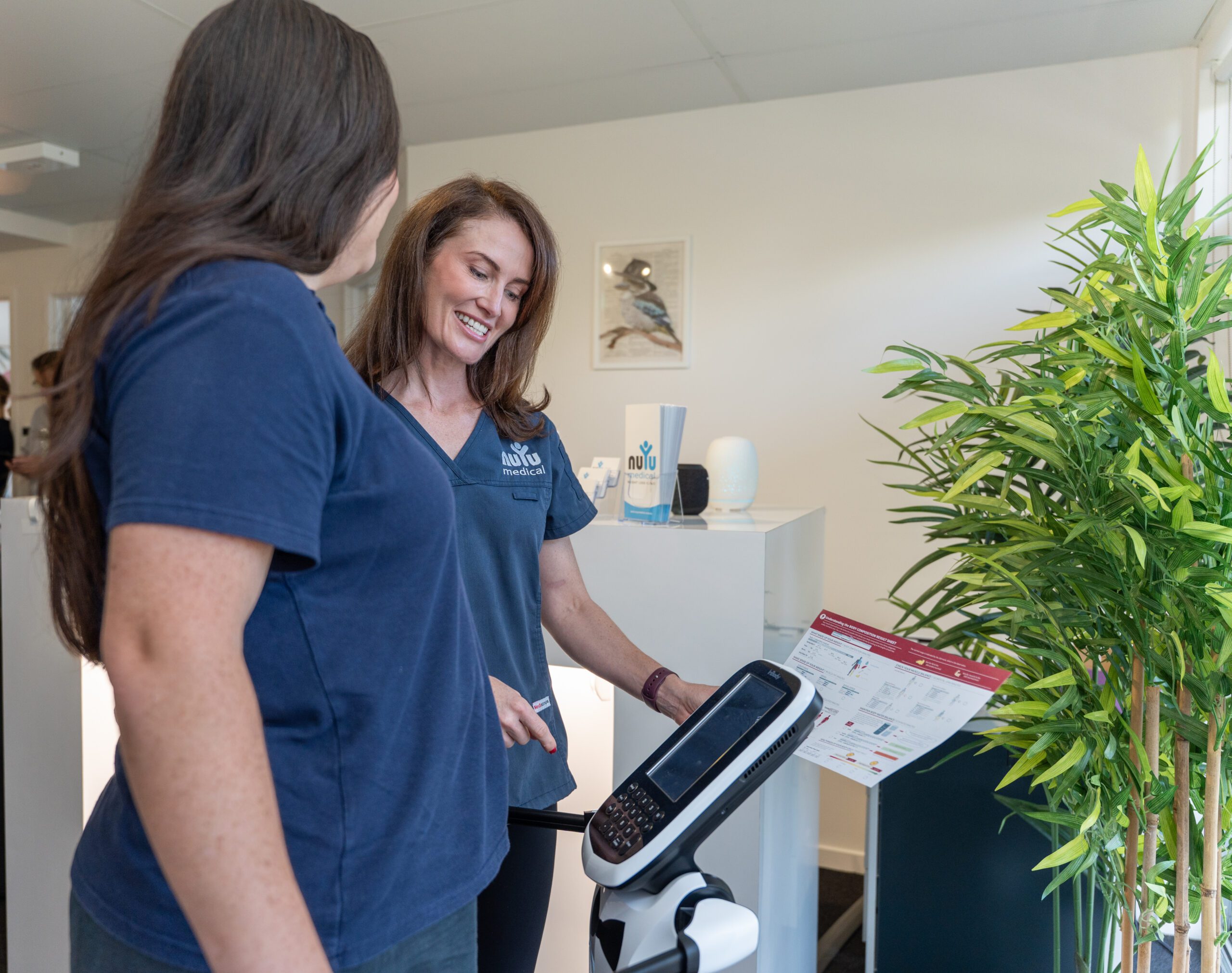
At NuYu Medical, postpartum weight support begins with a thorough clinical assessment that accounts for the full picture of a mother’s health. This includes reviewing the details of the birth — whether vaginal or via caesarean section, as any surgical recovery has its own timeline and nutritional requirements. Blood work can identify nutrient deficiencies that are common after pregnancy, including iron depletion, vitamin D insufficiency, and thyroid changes that can emerge or worsen postpartum. These are not minor factors, they can be the difference between a body that has the resources to lose weight safely and one that does not.
Nutritional guidance is designed around the realities of new motherhood, not the ideals of a meal-prep influencer. Strategies account for breastfeeding status, sleep disruption, time constraints, and the fact that eating at all can feel like an achievement during the early months. Physical activity recommendations are built from a foundation of pelvic floor and core rehabilitation, not from assumptions about what a postpartum body should be able to do. The clinical team works with the mother’s actual circumstances, her energy levels, her recovery status, her feeding situation, to build a plan that supports both her health and her baby’s wellbeing.
Practical Strategies for Postpartum Weight Support
The first practical step is to address nutrition from a foundation of adequacy, not restriction. Particularly for breastfeeding mothers, the priority is nutrient density and sufficient energy intake to support milk production, with any deliberate energy deficit introduced only after breastfeeding is well established and under clinical guidance. Protein intake deserves special attention, as it supports both tissue repair and satiety.
The second strategy is to reframe physical activity as recovery and strength-building rather than calorie burning. Gentle walking can begin as soon as it feels comfortable, but high-intensity or high-impact exercise should wait until pelvic floor and core function have been properly assessed. Working with a women’s health physiotherapist can provide individualised guidance on when and how to progress activity safely.
Telehealth and Local Care Options
NuYu Medical offers in-person consultations at the Southport clinic, supporting patients across the Gold Coast and Surfers Paradise, as well as telehealth services for individuals throughout Australia. Consultation fees are provided upfront, ensuring transparency and accessibility at every stage of care.
To receive compassionate, medically informed support for post-pregnancy weight and health, book an appointment online at nuyumedical.com.au/book-appointment/