
When the Surgery Is Done but the Real Work Is Just Beginning
For many people, bariatric surgery represents the end of a long and exhausting struggle. The operation is over, the weight begins to fall away, and there is an understandable sense that the hardest part is behind them. What often surprises patients is that the months and years after surgery demand their own kind of vigilance, one that has nothing to do with willpower and everything to do with biology.
It can feel confusing. After years of being told to eat less, patients are suddenly told they must be careful to get enough of certain nutrients, and that skipping their supplements could have serious consequences. The fatigue, the brittle nails, or the unexpected breathlessness that some people experience months later are not signs that the surgery failed. They are signals that the body’s nutritional needs have changed permanently and require ongoing attention.
Recognising this early matters. The patients who do best are not necessarily the most disciplined, but the ones who understand that aftercare is a lifelong partnership rather than a temporary phase.
What Changes Inside the Body After Surgery
Bariatric procedures work by reducing the size of the stomach, rerouting parts of the digestive tract, or both. These changes are highly effective for weight loss, but they also reduce the surface area and the stomach acid available to absorb key nutrients. The body simply cannot extract as much from food as it once could, even when the diet itself is healthy.
Several nutrients are particularly vulnerable. Iron absorption depends on stomach acid and the upper small intestine, both of which are often bypassed or reduced. Vitamin B12 requires a stomach protein that becomes scarce after surgery. Vitamin D and calcium absorption can also drop, raising long-term risks to bone health. Protein, the building block the body needs to preserve muscle during rapid weight loss, becomes harder to consume in adequate amounts through small meals alone.
Because these deficiencies develop slowly, they are easy to miss until symptoms appear. Anaemia, bone thinning, nerve problems, and persistent fatigue can all emerge months or years later. This is why post-surgical nutrition is not about eating perfectly on any given day. It is about maintaining steady intake and supplementation over a lifetime, supported by regular monitoring.
Why "Eating Well" Is Not Enough on Its Own
Many patients assume that if they eat a balanced diet, supplements are optional. Unfortunately, the altered anatomy means that even an excellent diet often cannot supply enough iron, B12, calcium, or vitamin D to prevent deficiency. The problem is not the quality of the food but the body’s reduced capacity to absorb it. Relying on diet alone is one of the most common reasons patients run into trouble in the years after surgery.
There is also a tendency for monitoring to drift once the dramatic weight loss slows and life returns to normal. Appointments are missed, supplements are forgotten, and blood tests fall by the wayside. The frustration of being told to take tablets indefinitely is understandable, particularly when a person feels well. But many deficiencies are silent until they are advanced, which is precisely why a structured, ongoing plan matters far more than how someone happens to feel on a given week.
A Clinical Approach to Lifelong Aftercare
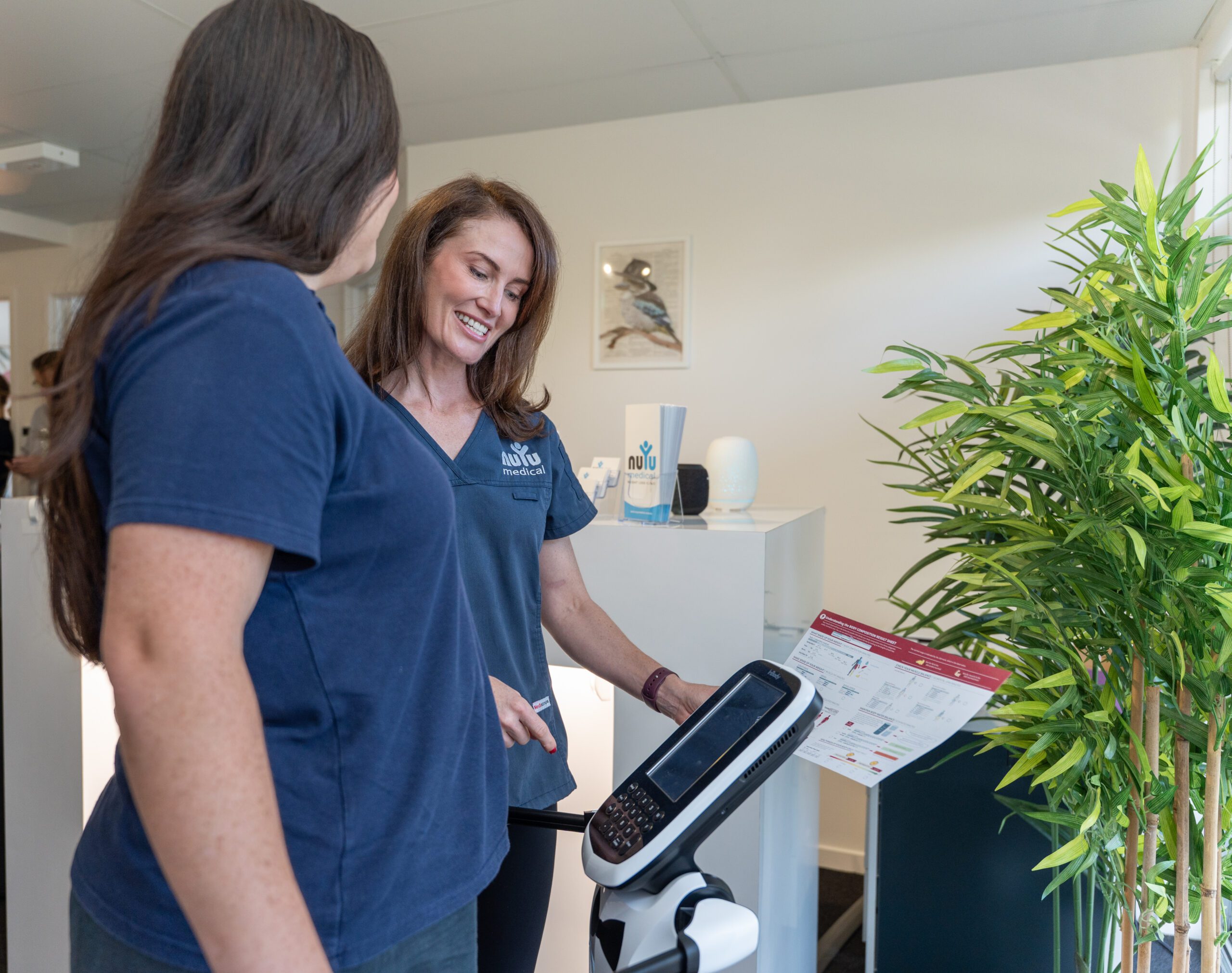
Sustained success after bariatric surgery depends on consistent monitoring and individualised supplementation. At NuYu Medical, bariatric aftercare focuses on tracking nutritional markers over time through regular pathology, adjusting supplementation to each patient’s results rather than applying a generic protocol. Because absorption varies from person to person, a one-size-fits-all approach can leave some patients under-supplemented and others over-supplemented.
The dietitian’s role is central to this. Working alongside the medical team, dietitian Brianna Fear-Keen helps patients meet their protein targets, structure small frequent meals, and adapt their supplementation as their needs evolve. Regular blood testing allows the clinic to detect early changes in iron, B12, vitamin D, and other markers long before symptoms appear, so problems can be corrected quietly rather than treated as emergencies.
Practical Strategies for Protecting Your Nutrition
The foundation of good aftercare is consistent supplementation tailored to surgical type and blood results. This typically includes a complete bariatric multivitamin, additional iron and B12 as needed, and adequate calcium and vitamin D for bone health. Taking these reliably, every day, is the single most important habit a patient can build, and it should never be paused without medical advice.
Protein deserves deliberate attention. Because meal sizes are small, prioritising protein at every meal helps preserve muscle and supports healing, and some patients benefit from protein supplements to bridge the gap. Equally important is keeping to a schedule of regular blood tests, ideally several times in the first year and at least annually thereafter, so that any developing deficiency is caught early. Maintaining this rhythm of monitoring and adjustment, rather than waiting for symptoms, is what keeps long-term complications at bay.
Telehealth and Local Care Options
NuYu Medical offers in-person consultations at the Southport clinic, supporting patients across the Gold Coast and Surfers Paradise, as well as telehealth services for individuals throughout Australia. Consultation fees are provided upfront, ensuring transparency and accessibility at every stage of care.
To receive support for ongoing bariatric aftercare and nutritional monitoring, book an appointment online at nuyumedical.com.au/book-appointment/