When Every Month Brings the Same Quiet Disappointment
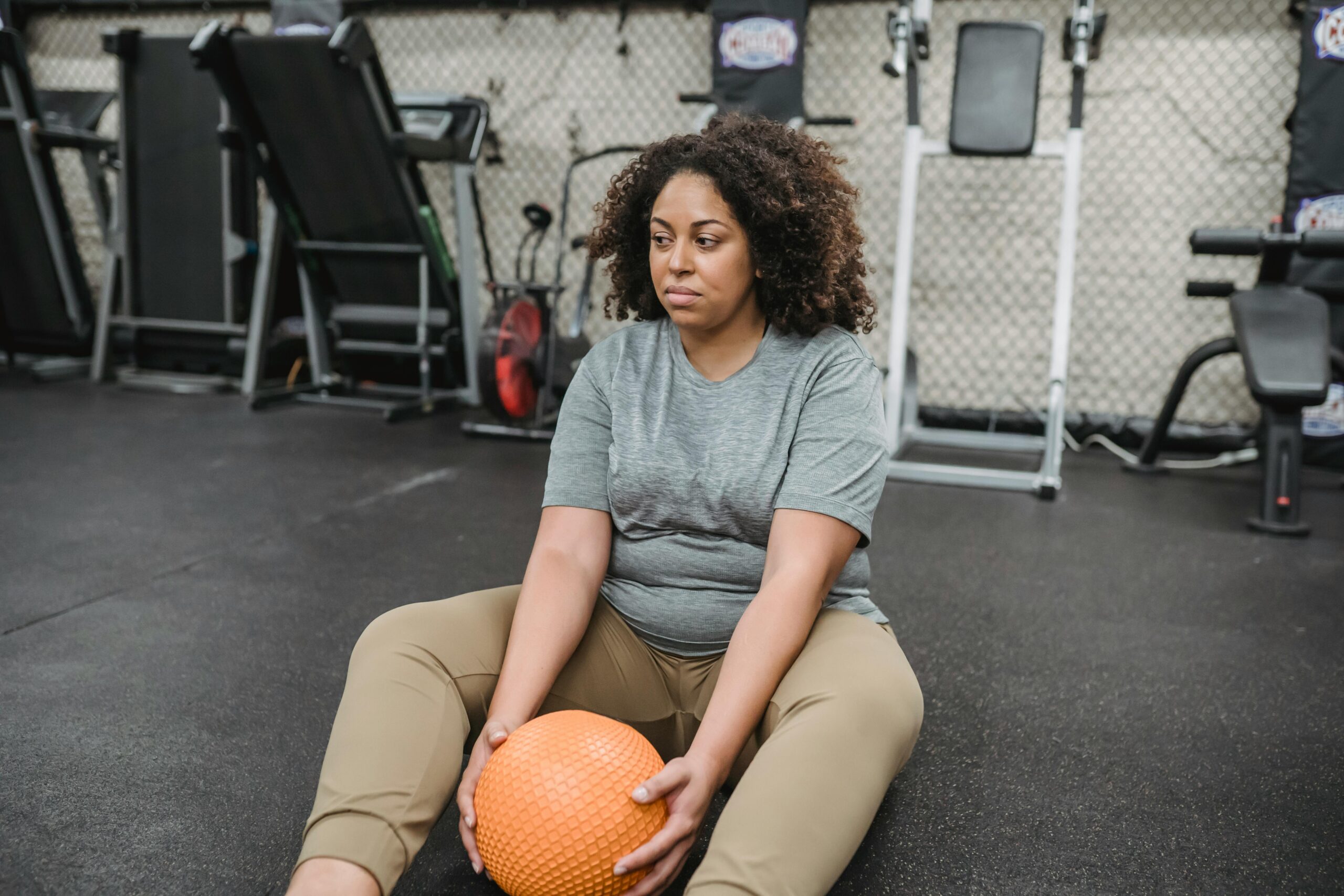
For women with polycystic ovary syndrome who are hoping to conceive, the experience can be uniquely difficult. Cycles may be unpredictable or absent, making it hard to know when, or whether, ovulation is occurring at all. Each month that passes without a positive result can bring a particular kind of disappointment, made heavier by the sense that the body is not cooperating with one of its most natural functions.
Alongside this, many women with PCOS have been told, sometimes bluntly, that they simply need to lose weight, advice that lands as both unhelpful and quietly painful when weight loss has felt so persistently difficult. The connection between PCOS, weight, and fertility is real, but it is far more nuanced and far more hopeful than that blunt instruction suggests.
Understanding how these threads connect can replace frustration with a clearer, gentler sense of what might genuinely help.
How Insulin Resistance Affects Ovulation
At the centre of PCOS for many women is insulin resistance, a state in which the body’s cells respond less effectively to insulin, prompting the pancreas to produce more of it. Elevated insulin levels do not stay confined to blood sugar regulation; they influence the ovaries directly, encouraging them to produce higher levels of androgens, the hormones that can disrupt the normal development and release of eggs.
When this hormonal balance is disturbed, ovulation can become irregular or stop altogether, which is why cycles are often unpredictable in PCOS and why conceiving can be more challenging. The relationship runs in a loop, as excess weight, particularly around the abdomen, can worsen insulin resistance, which in turn further disrupts ovulation. This is the biological reason weight is mentioned so often, though it is rarely explained with this much care.
Importantly, the loop can be influenced in the other direction. Improving insulin sensitivity, including through modest weight reduction, can help restore more regular ovulation, which is where realistic hope enters the picture.
Why "Just Lose Weight" Falls So Short
The advice to lose weight, offered without support or explanation, fails women with PCOS on two levels. First, it ignores the fact that the very condition driving the fertility challenge also makes weight loss harder, because insulin resistance and hormonal imbalance work against the effort. Being told to do the difficult thing, without help to do it, is neither fair nor effective.
Second, it can deepen a sense of self-blame at an already vulnerable time. Women navigating fertility difficulties are often carrying significant emotional weight, and reducing a complex hormonal condition to a matter of willpower compounds that burden. The frustration so many feel is entirely justified, and a better approach begins by acknowledging that PCOS is a medical condition deserving proper clinical support, not a character flaw to be overcome alone.
A Supportive, Evidence-Based Clinical Approach
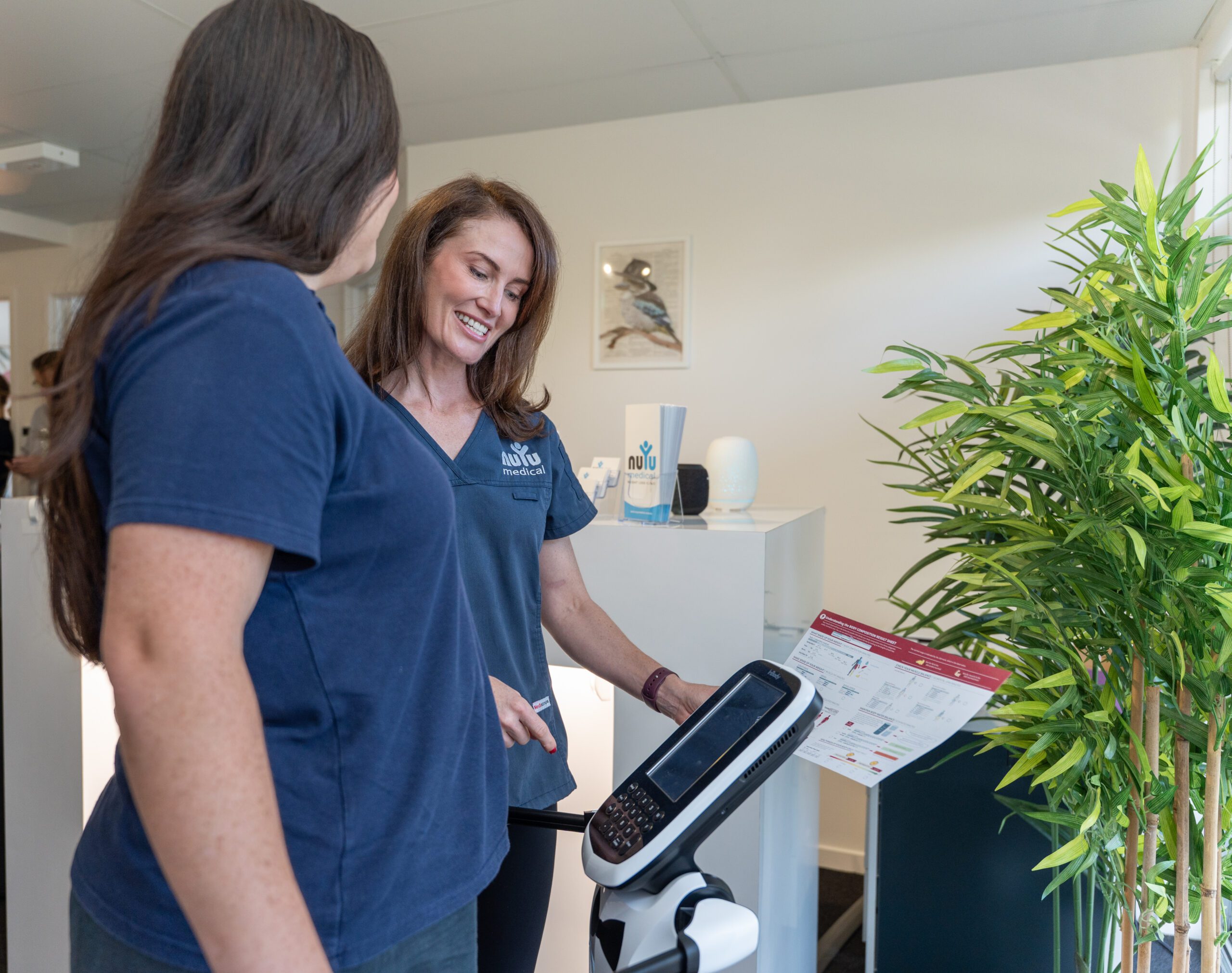
Weight management in the context of PCOS and fertility is most effective when it is gentle, individualised, and medically supported, focusing on metabolic health rather than rapid loss or arbitrary targets. At NuYu Medical, care for women with PCOS begins with understanding the individual through pathology and blood testing, including markers of insulin resistance, so that the plan addresses the underlying biology rather than only the number on the scales.
From there, the focus is often on improving insulin sensitivity through nutrition, activity, and where clinically appropriate, medical support, with input from a dietitian and ongoing review. The encouraging reality, well supported by evidence, is that even a modest reduction in weight, in the order of five to ten per cent of body weight, can improve cycle regularity and ovulation for many women. Care is delivered with sensitivity to the emotional dimension of trying to conceive, and without promises that no responsible clinician can make.
Practical, Realistic Strategies
A central strategy is prioritising blood sugar stability through nutrition, as meals built around adequate protein, fibre, and lower-glycaemic carbohydrates can help moderate insulin levels and support hormonal balance. A dietitian can tailor this to individual preferences and circumstances, making it sustainable rather than punishing. The goal is improved metabolic health, with weight change as a welcome by-product rather than the sole focus.
Regular physical activity, including resistance training, further improves insulin sensitivity and supports lean muscle, which plays a role in how the body handles glucose. Where appropriate, medical management of insulin resistance may form part of the plan, decided with a doctor. Throughout, the emphasis stays on modest, achievable goals, because the evidence shows that even small, sustained improvements can meaningfully support ovulation and conception odds, without any guarantee being made.
Telehealth and Local Care Options
NuYu Medical offers in-person consultations at the Southport clinic, supporting patients across the Gold Coast and Surfers Paradise, as well as telehealth services for individuals throughout Australia. Consultation fees are provided upfront, ensuring transparency and accessibility at every stage of care.
To receive support for managing PCOS and weight while trying to conceive, book an appointment online at nuyumedical.com.au/book-appointment/