When Your Cravings Seem to Have a Will of Their Own
There are days when a craving feels less like a choice and more like an instruction. You are not especially hungry, you have eaten enough, and yet something is insistently pulling you toward the biscuits or the takeaway menu. It can leave you feeling as though your appetite has a mind of its own, operating on a logic you cannot quite control.
For many people who have battled cravings for years, this sensation breeds frustration and self-criticism. They wonder why their willpower seems so much weaker than everyone else’s, and whether something is simply wrong with them. For Gold Coast and Queensland patients tired of this internal tug of war, an emerging area of science offers a more compassionate and accurate explanation.
It turns out that appetite is not governed by the brain alone. The community of microbes living in your gut plays a genuine role in the signals that shape hunger and cravings, through a remarkable line of communication known as the gut-brain axis.
How the Gut and Brain Talk to Each Other
The gut-brain axis is a two-way communication network linking the digestive system and the brain. It operates through several channels, including the vagus nerve, hormones, and chemical messengers produced in the gut. The trillions of bacteria that make up the gut microbiome are active participants in this conversation, not passive bystanders.
One of the key ways these microbes exert influence is through short-chain fatty acids, compounds they produce when they ferment dietary fibre. Short-chain fatty acids can stimulate the release of gut hormones involved in signalling fullness, and they help maintain the integrity of the gut lining. A microbiome rich in fibre-fermenting bacteria therefore tends to support clearer satiety signalling, while a less diverse community may communicate differently.
The vagus nerve acts as a major information highway in this system, carrying signals from the gut to the brain that contribute to feelings of fullness and influence food-related behaviour. Through these pathways, the composition of the microbiome can shape how strong our cravings feel and how satisfied we are after eating. It is worth being measured here, as this is an evolving field, but the evidence that gut bacteria participate in appetite regulation is increasingly solid.
Why Fighting Cravings With Willpower Alone Falls Short
When cravings are partly driven by signalling from the gut, treating them purely as a test of discipline misses the point. People who repeatedly try to white-knuckle their way past cravings often find the urges return as strongly as ever, because the underlying signalling has not changed. The exhausting cycle of resistance and so-called slip-ups is not evidence of weak character.
This reframing matters, because years of self-blame can do real harm to a person’s relationship with food. Understanding that biology, including the state of the gut, contributes to the strength of cravings allows people to step back from harsh self-judgement. The more useful question becomes not how to resist harder, but how to change the internal environment that is generating the signals in the first place.
A Clinical Approach to Appetite and Gut Health
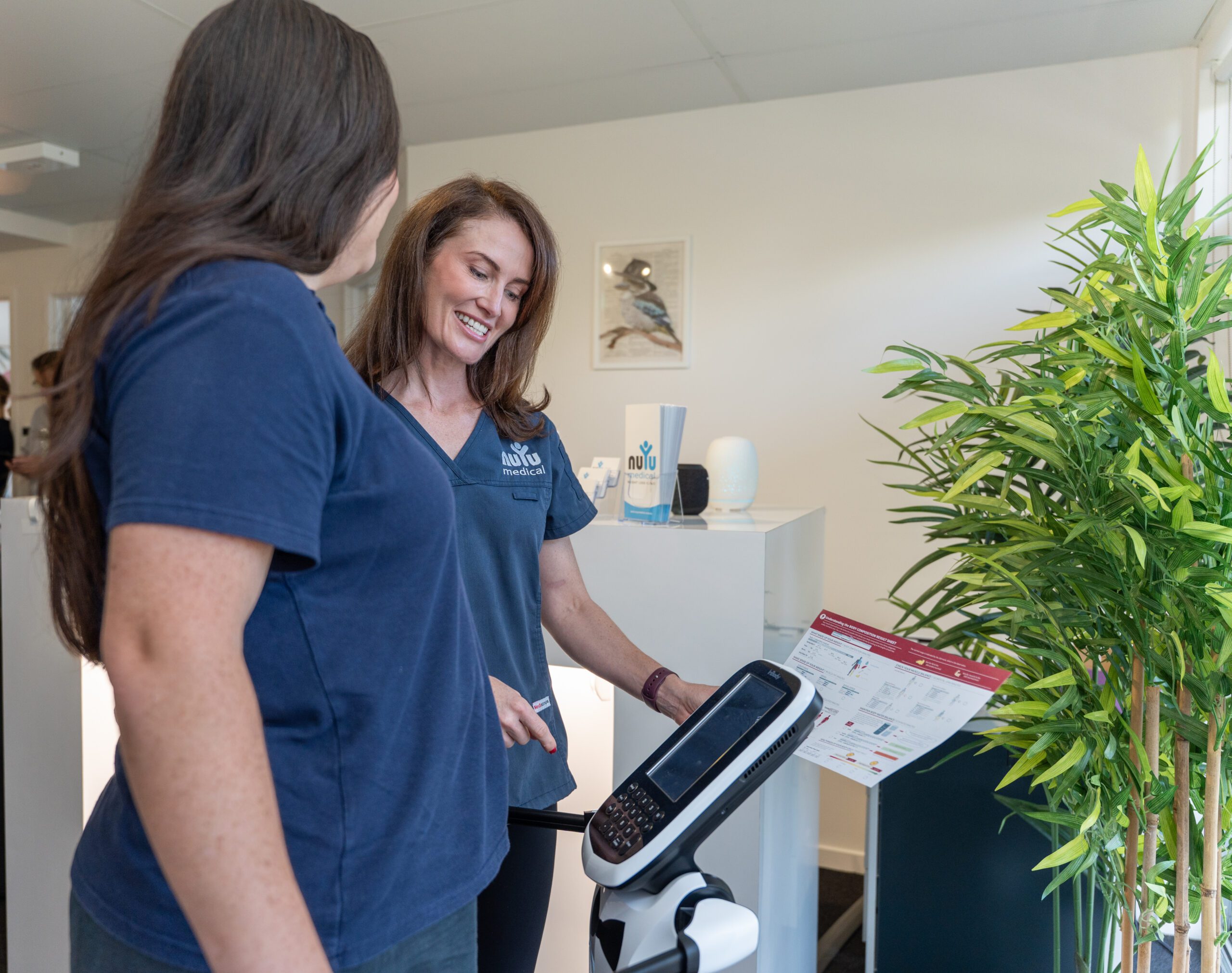
Addressing cravings effectively means looking at the whole person rather than isolating willpower. At NuYu Medical, support for appetite and cravings can begin with a thorough assessment that considers nutrition, metabolic markers, and lifestyle factors influencing gut health, alongside the broader weight picture. The dietitian-led component of care is particularly relevant here, given how closely diet and the microbiome are linked.
From this foundation, a plan can be built that supports a healthier gut environment while also addressing appetite through evidence-based means. This might include structured dietary strategies to nourish beneficial bacteria, and where clinically appropriate, consideration of medical weight loss treatments that act on appetite-regulating pathways for patients whose circumstances warrant them. The emphasis throughout is on working with the body’s signalling rather than waging war against it.
Practical Strategies for a Healthier Gut and Calmer Appetite
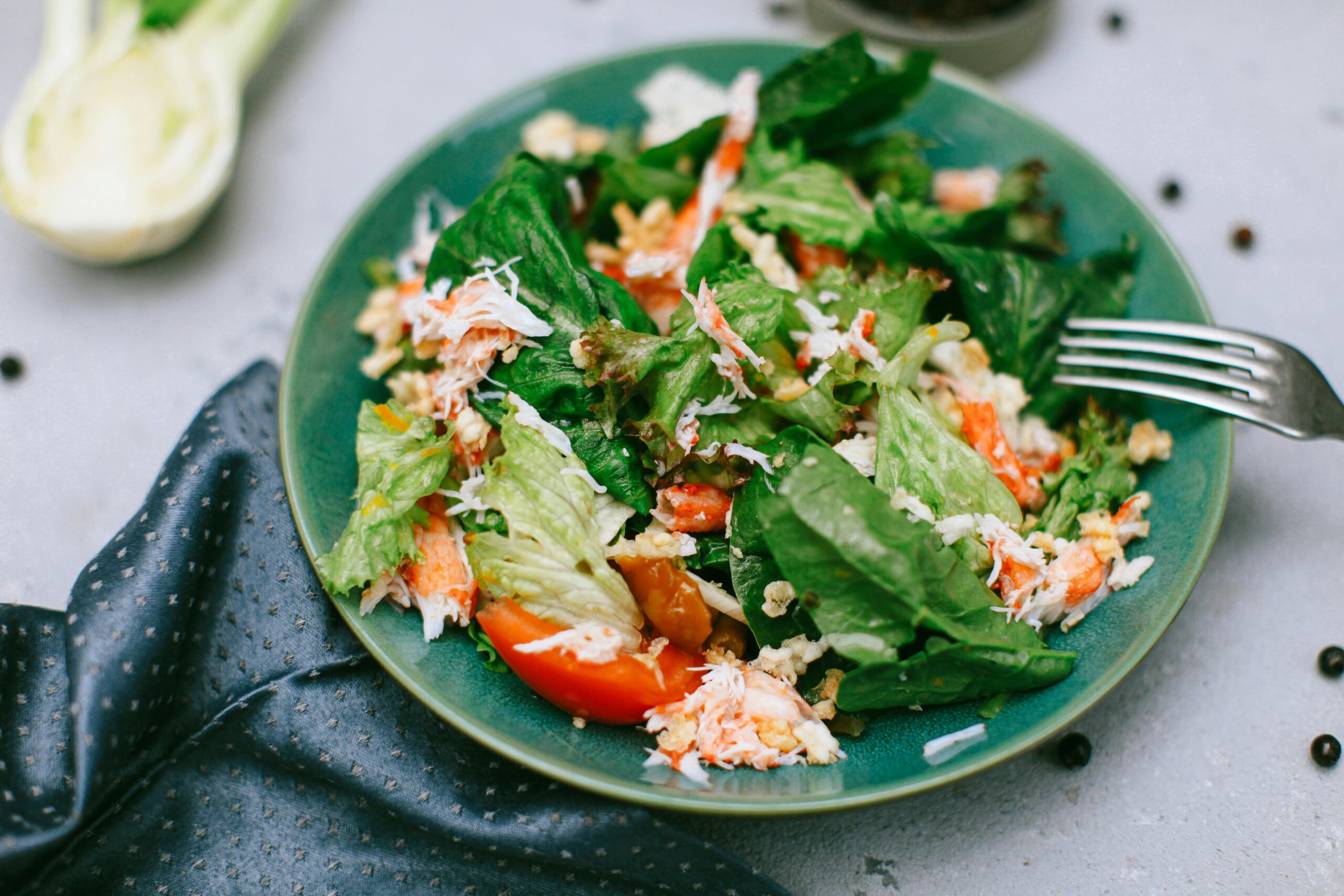
The most reliable way to support a healthy microbiome is also one of the simplest: eat a diverse range of plant foods. A wide variety of vegetables, legumes, wholegrains, nuts, and seeds provides the different fibres that fibre-fermenting bacteria thrive on, encouraging the production of beneficial short-chain fatty acids. Diversity of plants, rather than any single superfood, is what the evidence consistently favours.
Including fermented foods and ensuring adequate fibre intake can further support gut health, while limiting heavily processed foods reduces the dietary pattern associated with a less favourable microbiome. It is also worth approaching the many gut-health products on the market with healthy scepticism, as the science does not yet support much of the hype. Guidance from a qualified clinician or dietitian helps separate genuinely useful strategies from marketing, and tailors them to your individual needs, which is where structured support proves its value.
Telehealth and Local Care Options
NuYu Medical offers in-person consultations at the Southport clinic, supporting patients across the Gold Coast and Surfers Paradise, as well as telehealth services for individuals throughout Australia. Consultation fees are provided upfront, ensuring transparency and accessibility at every stage of care.
To access support for managing cravings and gut health, book an appointment online at nuyumedical.com.au/book-appointment/