
When the World Expects You to Bounce Back
The newborn phase is one of the most demanding periods of a person’s life. Broken sleep, feeding schedules, physical recovery from birth, and the emotional adjustment to parenthood leave little room for much else. And yet the cultural pressure to return to a pre-pregnancy body within weeks is pervasive — fuelled by social media images, offhand comments from acquaintances, and a general societal expectation that pregnancy weight should simply dissolve once the baby arrives.
The reality is radically different. Post-pregnancy weight management is not a cosmetic project that should compete with recovery and early parenthood. It is a medical process that unfolds over months — and for many women, over a year or more — in response to hormonal recalibration, physical healing, and the demands of caring for a new baby. Understanding the realistic timeline for this process is the first step towards approaching it with the clinical patience and support it deserves.
The comparison to pre-pregnancy weight is itself misleading. Pregnancy changes the body in ways that go beyond weight — muscle distribution, pelvic floor integrity, breast tissue, and hormonal set points all shift. The goal is not to return to a previous body but to progress towards a healthy, functional one.
The Hormonal Landscape of the Postnatal Period
Pregnancy involves a dramatic hormonal environment — high oestrogen, progesterone, and placental hormones that regulate everything from metabolism to mood. After birth, this environment collapses rapidly. Oestrogen and progesterone drop to their lowest levels, prolactin rises to support breastfeeding, and cortisol remains elevated due to sleep deprivation and the physical demands of early parenthood.
This hormonal transition creates a metabolic environment that is not conducive to rapid weight loss. Elevated cortisol promotes insulin resistance and fat retention. Low oestrogen reduces the metabolic protection against visceral fat accumulation. In breastfeeding women, prolactin is associated with modest increases in appetite and, in some women, fat retention during lactation — the body’s protective response to the caloric demands of feeding.
Attempting aggressive weight loss in this hormonal context is not only likely to be ineffective — it can be counterproductive. Very low-calorie diets during the postnatal period elevate cortisol further, may affect milk supply in breastfeeding women, and deprive the body of the nutrients it needs for physical recovery from childbirth.
The Realistic Timeline
The first three months after birth should be devoted to recovery, not weight loss. The body is healing from the physiological demands of pregnancy and birth — whether vaginal delivery, caesarean section, or both. Energy requirements are higher, not lower, particularly for breastfeeding women. Any weight loss that occurs during this period is a byproduct of recovery, not a target.
Between three and six months postpartum, hormonal levels begin to stabilise. Cortisol may reduce as sleep improves slightly. Some women find that weight begins to shift naturally during this period, particularly once a more regular eating and movement pattern is established. This is the earliest realistic point at which a structured approach to weight management can be considered, provided recovery is progressing well.
For many women, the most effective period for active post-pregnancy weight management begins after breastfeeding ends or reduces significantly — typically six months to a year or more postpartum. At this point, hormonal and metabolic markers can be properly assessed, and a clinical programme can be designed with full confidence that it is not interfering with recovery or lactation.
Clinical Support for Post-Pregnancy Weight Management
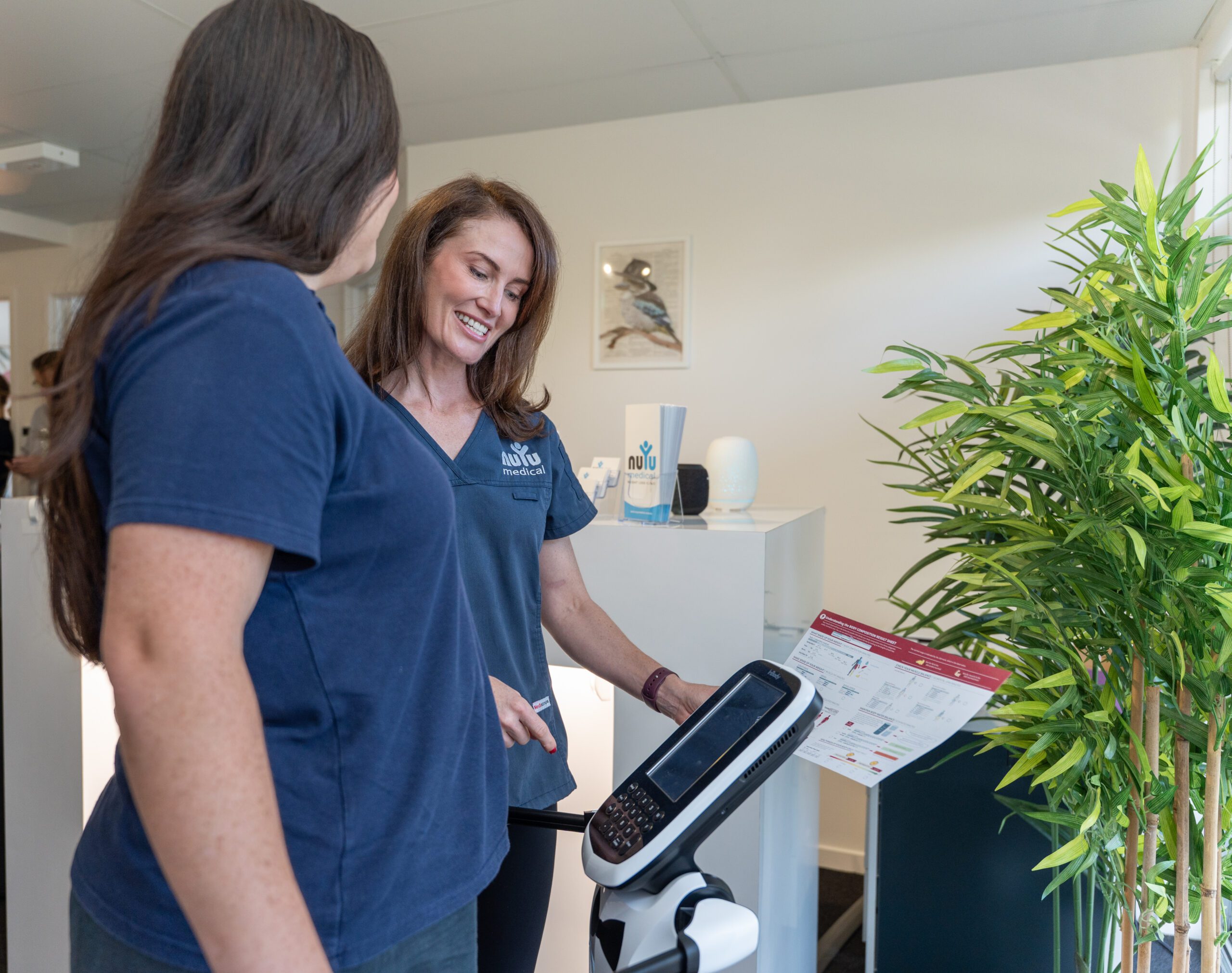
At NuYu Medical, post-pregnancy weight management is approached with clinical patience and precision. Assessment includes evaluation of thyroid function — which is particularly susceptible to disruption in the postnatal period, with postpartum thyroiditis affecting a meaningful proportion of women — alongside insulin sensitivity, inflammatory markers, and nutritional status.
For breastfeeding women, any dietary intervention is calibrated carefully to protect milk supply and nutritional adequacy. For women who have completed breastfeeding, a full clinical programme including GLP-1 medications where appropriate can be initiated with proper medical oversight.
The involvement of Brianna Fear-Keen, the clinic’s dietitian, ensures that nutritional guidance is tailored to the postnatal phase — addressing the specific needs of recovery, hormonal recalibration, and the practical constraints of early parenthood. Realistic, achievable goals replace the damaging expectation of rapid weight loss.
Practical Steps for Postnatal Weight Management
Focus on nourishment, not restriction, in the first six months. Eat to support recovery and, if breastfeeding, milk production. Prioritise protein, iron, vitamin D, and omega-3 fatty acids. This is not a detour from weight management — it is the foundation that makes effective weight management possible later.
Begin gentle movement when medically cleared — usually six to eight weeks after uncomplicated vaginal delivery, later after caesarean section or complications. Prioritise pelvic floor rehabilitation and core reconnection before returning to more intensive exercise. Walking is appropriate for most women from the early postnatal weeks and has meaningful benefits for mood, cortisol, and metabolic health.
If weight is not shifting after six months despite reasonable dietary and activity efforts, request a comprehensive metabolic assessment. Postpartum thyroiditis, persistent insulin resistance, and nutritional deficiencies are common and treatable — and identifying them removes the most frustrating barriers to progress.
Telehealth and Local Care Options
NuYu Medical offers in-person consultations at the Southport clinic, supporting patients across the Gold Coast and Surfers Paradise, as well as telehealth services for individuals throughout Australia. Consultation fees are provided upfront, ensuring transparency and accessibility at every stage of care.
To receive medical support for post-pregnancy weight management at the right time and in the right way, book an appointment online at nuyumedical.com.au/book-appointment/