
The Pressure to Bounce Back
After the birth of your baby, the world expects you to bounce back. Social media feeds are filled with celebrities who appeared to snap back into shape within weeks. Well-meaning friends ask how much weight you have lost. And beneath it all, you are navigating sleep deprivation, hormonal upheaval, the physical recovery from childbirth, and the full-time demands of a newborn — all while trying to figure out who you are in this new chapter of life.
The pressure to return to your pre-pregnancy body is not only unrealistic; it is medically unhelpful. Pregnancy transforms the body in profound ways that take time to recover from — and for many women, the standard advice of eat less and move more is not just ineffective, it is inappropriate. Post-pregnancy weight management deserves the same medical attention as any other phase of women’s health.
The Unique Physiology of Post-Pregnancy Weight
The postpartum period is one of the most hormonally dynamic phases of a woman’s life. Oestrogen and progesterone levels drop dramatically after childbirth, while prolactin — the hormone responsible for milk production — remains elevated in breastfeeding women. Cortisol levels are often high due to chronic sleep deprivation. Thyroid function can be disrupted, with some women developing postpartum thyroiditis that affects metabolic rate.
These hormonal changes directly influence weight. Many women experience increased insulin resistance during the postpartum period, making their bodies more prone to storing fat rather than burning it. Sleep deprivation elevates ghrelin and suppresses leptin, creating intense hunger signals that are not a failure of willpower but a biological response to exhaustion.
Compounding these factors is the physical recovery from pregnancy and childbirth. Abdominal muscle separation — diastasis recti — affects a significant proportion of postpartum women and can affect core strength, posture, and the ability to exercise safely. Pelvic floor recovery is another consideration that makes high-impact exercise inappropriate for many new mothers.
Why Standard Postnatal Advice Falls Short
The common advice for postnatal weight loss — eat sensibly, walk when you can, be patient — fails to account for the complexity of the postpartum physiology. It places the responsibility entirely on the mother, who is already stretched to her limit, and offers no medical support for the biological barriers she is facing.
Advice to breastfeed for weight loss is often overstated. While breastfeeding does burn additional calories, the effect on weight is modest and varies significantly between women. Many women find that the hunger stimulated by breastfeeding offsets any metabolic advantage, and some actually retain weight while nursing.
Exercise advice that does not account for diastasis recti or pelvic floor recovery can be counterproductive or even harmful. Jumping back into high-intensity workouts before the core and pelvic floor have healed can worsen abdominal separation and lead to long-term issues including incontinence and back pain.
Post-pregnancy weight management needs to be guided by a healthcare professional who understands the specific physiology of this life stage — not by generic postpartum wellness advice.
A Medical Approach to Post-Pregnancy Weight Management
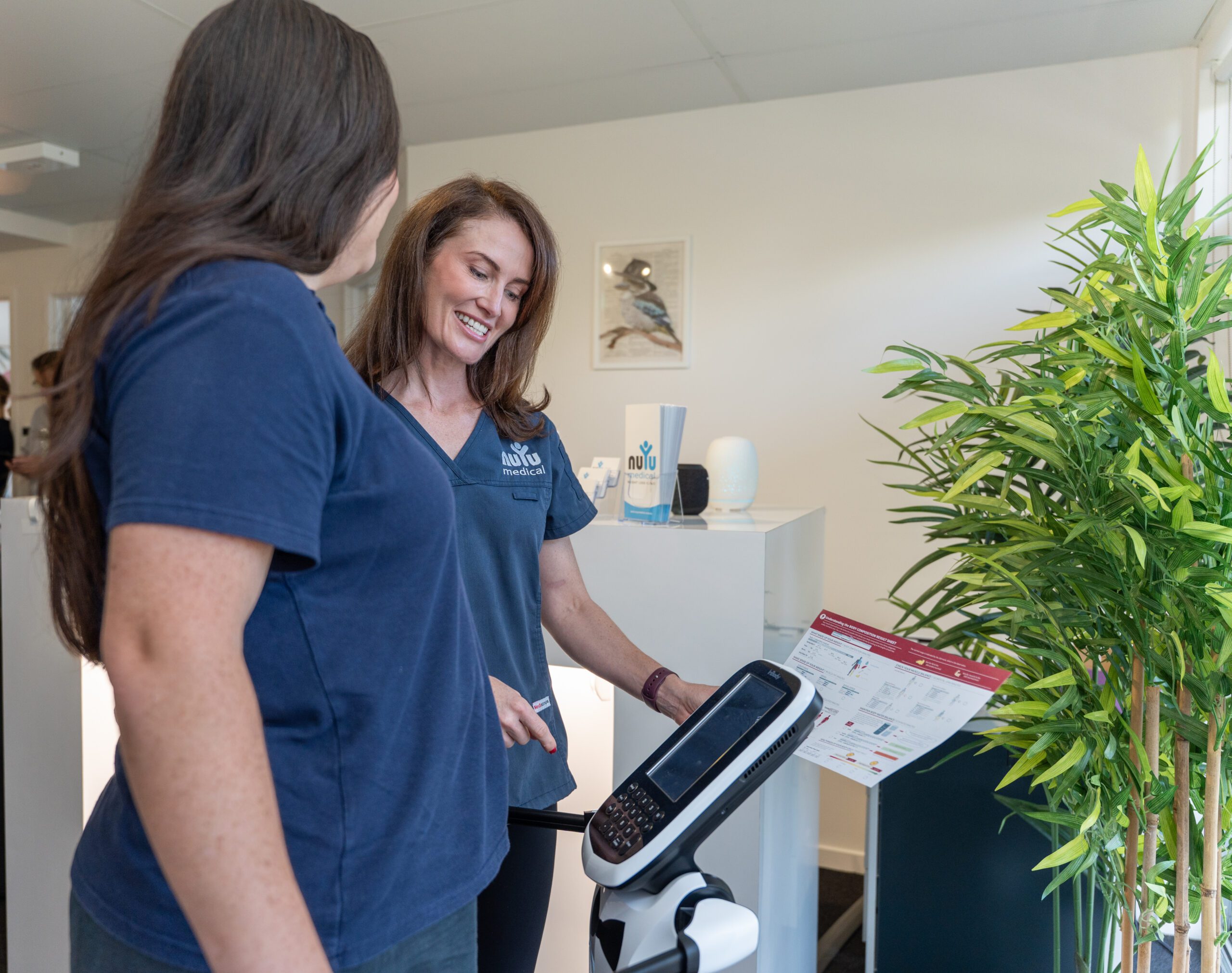
At NuYu Medical, the approach to post-pregnancy weight begins with a thorough assessment that respects the unique needs of the postnatal body. Blood testing evaluates thyroid function, insulin sensitivity, and nutritional status — identifying the metabolic factors that may be hindering progress. A body composition scan provides baseline data on muscle mass and fat distribution.
The treatment plan is designed around the mother’s circumstances. For breastfeeding women, the approach is carefully calibrated to support milk supply while creating a modest energy deficit that allows for gradual, safe weight loss. Nutritional guidance focuses on nutrient density and blood sugar stability rather than calorie restriction. Exercise recommendations prioritise core rehabilitation and pelvic floor recovery before progressing to more intensive training.
Where appropriate, GLP-1 medications may be considered after breastfeeding is completed, providing a medical tool to address insulin resistance and appetite regulation that may persist beyond the postpartum period. The key principle is that post-pregnancy weight management is a gradual process that works with the body’s recovery, not against it.
How to Approach Post-Pregnancy Weight Loss Safely
Give your body time to recover before pursuing active weight loss. The first three to six months after childbirth are a period of healing and adjustment, and aggressive dieting during this window can interfere with recovery and, for breastfeeding mothers, milk supply.
When you are ready to focus on weight, start with a medical assessment. Blood testing can identify whether thyroid dysfunction, insulin resistance, or nutrient deficiencies are present. A physical assessment can determine whether diastasis recti or pelvic floor issues need to be addressed before exercise begins.
Work with a healthcare team that understands postnatal physiology. A gradual, medically supervised approach — focusing on nutrient quality, gentle movement, core rehabilitation, and metabolic health — produces better long-term results than chasing rapid weight loss.
Telehealth and Local Care Options
NuYu Medical offers in-person consultations at the Southport clinic, supporting patients across the Gold Coast and Surfers Paradise, as well as telehealth services for individuals throughout Australia. Consultation fees are provided upfront, ensuring transparency and accessibility at every stage of care.
To receive support for post-pregnancy weight management, book an appointment online at nuyumedical.com.au/book-appointment/