
Polycystic Ovary Syndrome (PCOS) affects up to 1 in 10 women of reproductive age, yet many women in Southport and across the Gold Coast struggle for years with the weight gain, fatigue, irregular periods, and mood swings that come with it. What makes PCOS especially challenging is how it affects hormones like insulin and androgens, making it significantly harder to lose weight—even with diet and exercise.
But here’s the good news: with safe, evidence-based, medically supervised weight loss strategies, it is possible to manage PCOS symptoms and regain control of your health. At our Southport clinic, we recommend in tailored medical weight loss treatments to help women with PCOS attempt to lose weight safely, sustainably, and without relying on fad diets.
Why Is Weight Loss Harder with PCOS?
PCOS disrupts hormonal balance, which can lead to:
- Insulin resistance – causing the body to store more fat, particularly around the abdomen
- Increased androgens – leading to acne, hair thinning, and more abdominal fat
- Slower metabolism – making it harder to burn calories
- Higher inflammation levels – which can interfere with weight loss and overall energy
Together, these factors create a frustrating cycle: weight gain worsens PCOS symptoms, but PCOS makes weight loss feel nearly impossible. That’s why medical support is essential for many women.
How Medically Supervised Weight Loss Helps
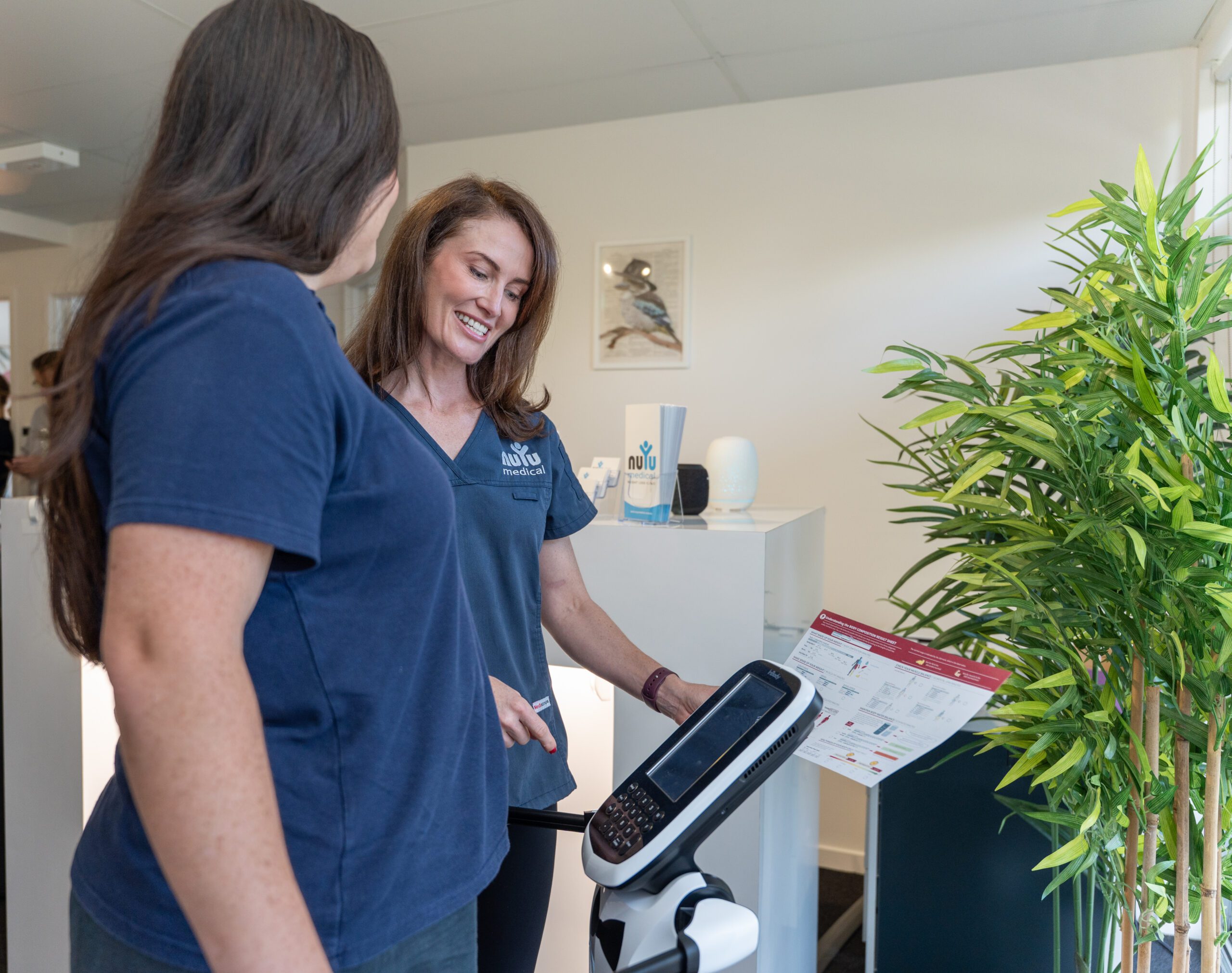
A one-size-fits-all approach simply doesn’t work for PCOS. At our Southport clinic, we offer comprehensive weight loss programs that include:
1. Personalised Assessments
We begin with a thorough weight loss assessment, blood work, and medical history review. This helps us understand how PCOS is affecting your:
- Blood sugar and insulin levels
- Hormone balance (e.g. testosterone, LH/FSH)
- Thyroid function
- Nutritional deficiencies
2. Prescription Weight Loss Medications (if appropriate)
For women struggling with insulin resistance or appetite control, medications such as GLP-1 receptor agonists or metformin may be prescribed. These help regulate hunger, improve insulin sensitivity, and support steady weight loss—especially when paired with nutrition and lifestyle changes.
3. Nutrition Plans Tailored to PCOS
A PCOS-friendly diet isn’t about deprivation—it’s about balance and stability. Our in-house dietitian creates meal plans that focus on:
- Low-GI carbohydrates (e.g., sweet potatoes, legumes, berries)
- Lean protein (e.g., chicken, tofu, eggs, fish)
- Healthy fats (e.g., olive oil, avocado, nuts)
- Anti-inflammatory foods (e.g., leafy greens, turmeric, oily fish)
These foods can help reduce insulin spikes, support hormone balance, and manage cravings—especially in the second half of the menstrual cycle when hunger levels may naturally increase.
4. Ongoing Doctor and Dietitian Support
We provide regular check-ins—either in-clinic or via Telehealth across Queensland—to adjust your plan, monitor progress, and support your emotional wellbeing. Many women with PCOS experience anxiety and depression, so having a compassionate team makes a big difference.
PCOS and Exercise: What Works Best?
You don’t need to overtrain or do endless cardio to see results with PCOS. The best approach combines:
- Strength training (2–3 times per week) to increase muscle mass and metabolic rate
- Gentle cardio (like walking, cycling, or swimming) to reduce stress and support fat loss
- Stretching or yoga to reduce cortisol and support hormone regulation
The key is consistency, not intensity. Overdoing it can actually worsen hormonal imbalances.
Ready to Take Control of your PCOS and weight?
We’re here to help you understand your body and take back control with tailored, safe weight management solutions. Book a consultation with our doctors or dietitian in Southport, or schedule a Telehealth appointment anywhere in Queensland.